
How To
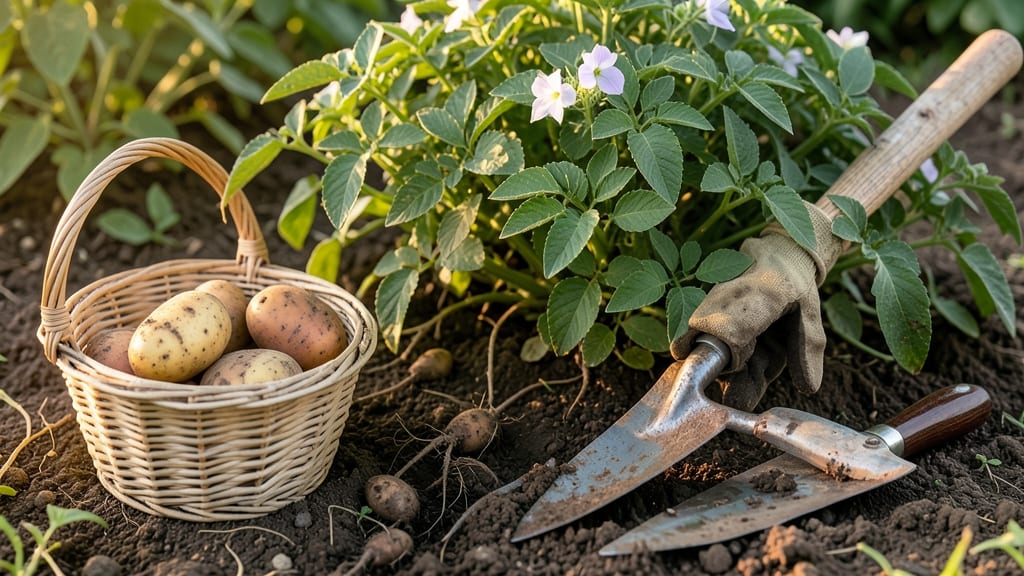
Harvesting potatoes in Texas at the right time means the difference between a bountiful haul and shriveling tubers in the heat—so timing is everything.
Texas gardeners know the struggle: scorching summers can turn a potato harvest from plentiful to pitiful if you miss the window. But with the right heat-tolerant varieties and precise timing, you can still pull golden tubers from your soil—even in 100°F heat.
The key is watching for those telltale signs like yellowing foliage and soil warmth, not just days on the calendar.
Central Texas and the Gulf Coast have wildly different harvest windows—April to June for spring plantings, but October to December for fall crops. Missing the mark means either small, underdeveloped potatoes or ones that’ve started sprouting in the ground.
I’ll break down the exact cues to dig, plus how to adapt for your specific Texas microclimate.
Ready to pull perfect potatoes? You’ll learn when to harvest by region, how to check tuber readiness, and even how to store them for months—so you’re not left with a pile of dirt and disappointment.


Best heat-tolerant potato varieties for Texas harvests
Growing potatoes in Texas requires selecting varieties that can handle 90°F+ temperatures without sacrificing yield or flavor. The key is choosing early-maturing types that produce tubers before the heat peaks, or heat-tolerant late-season varieties that thrive in fall's milder conditions.
I've grown these top performers in my Central Texas garden—all of which deliver consistent results even when temperatures flirt with triple digits.
For spring plantings, focus on early-season varieties that mature in 60-90 days, giving you a harvest before summer's worst heat arrives. In fall, mid-to-late season types (90-120 days) work beautifully, allowing tubers to bulk up during cooler months.
My South Texas colleagues swear by these same varieties but plant them 3-4 weeks later to avoid early frost risks.
Here's what sets these varieties apart: Yukon Golds handle heat better than Russets, Red Pontiacs resist scab disease in humid summers, and Purple Majesty actually improves flavor when grown in warm soil.
The right choice depends on your harvest timeline and whether you prioritize storage life or immediate eating quality.
Pro Tip: Always plant certified seed potatoes—never grocery store spuds. I've seen disease rates skyrocket when gardeners skip this step, especially in Texas' humid summers. Certified seeds give you a clean start and better heat tolerance from the beginning.
| Variety | Days to Maturity | Best Planting Window | Harvest Time | Yield Potential | Flavor Profile | Heat Tolerance |
|---|---|---|---|---|---|---|
| Yukon Gold | 90-110 days | Feb-March (spring) / Sep-Oct (fall) | May-June (spring) / Nov-Dec (fall) | High (5-8 lbs per plant) | Buttery, creamy | Excellent (handles 95°F+) |
| Red Pontiac | 70-90 days | Feb-March (spring) / Sep-Oct (fall) | April-May (spring) / Oct-Nov (fall) | Medium (3-5 lbs per plant) | Waxy, slightly sweet | Very High (resists heat stress) |
| Purple Majesty | 100-120 days | Feb-March (spring) / Sep (fall) | June-July (spring) / Nov (fall) | Medium-High (4-6 lbs per plant) | Nutty, earthy (best roasted) | Good (thrives in 90°F) |
| Kennebec | 80-100 days | Feb-March (spring) / Sep (fall) | May-June (spring) / Oct (fall) | High (5-7 lbs per plant) | Starchy, versatile | Good (avoid peak summer) |
| Adirondack Red | 60-80 days | Feb-March (spring)
Exact timing for Texas potato harvests: signs & seasonal tricksTiming your potato harvest in Texas isn’t just about counting days—it’s about reading your plants and the weather. Spring plantings in Central Texas should be ready by late April to June, while Gulf Coast gardeners can extend harvests into July thanks to milder coastal temperatures. The key is watching for foliage yellowing and soil warmth, not just calendar dates. For fall plantings, aim to harvest between October and December, but adjust based on your region’s first frost. North Texas gardeners should dig before November 15, while South Texas has until December 15. Miss the window, and you’ll end up with sprouting tubers or frost-damaged crops.
Hilling your potato plants—adding soil or straw around the stems—can delay harvest by 1-2 weeks in Texas’ heat. This encourages more tuber formation deeper in the soil. But if your vines suddenly wilt or turn brown after hilling, it’s a sign to dig immediately—your potatoes are ready. Early harvests (before full maturity) yield smaller but sweeter potatoes, perfect for boiling or roasting. Late harvests (after foliage dies) produce larger, starchier tubers, ideal for baking or frying. In Texas, I often harvest early to avoid summer heat stress, then replant a fall crop for a second harvest. Store your freshly dug potatoes in a cool, dark, well-ventilated space (50–60°F) to prevent sprouting. Avoid plastic bags—they trap moisture and cause rot. With the right timing, you’ll pull perfect potatoes from your Texas soil, not sad, shriveled tubers. |