
How To
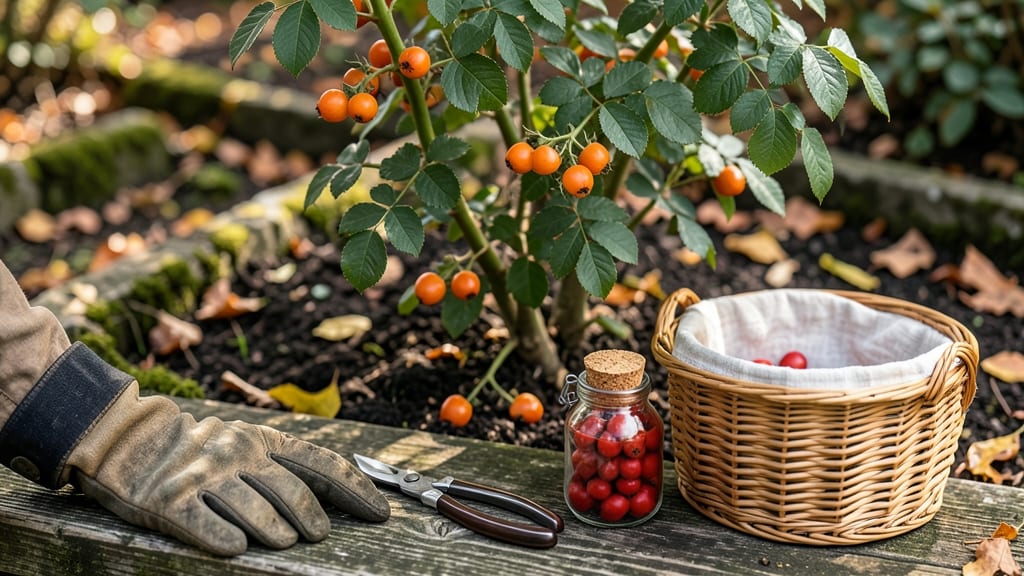
Harvesting rosehips at the right time ensures you get the most vitamin C and flavor from these bright 🌹 fruits—usually between September and October, depending on your climate zone.
Timing your rosehip harvest is everything—pick too early, and you miss the richest nutrients; wait too long, and the flavor turns bitter. Mastering these visual and tactile cues ensures you collect the most vitamin-packed hips for teas, jellies, or syrups.
Look for hips that have turned a deep red or even purple-black, feel firm but yield slightly to gentle pressure, and contain fully formed brown seeds. These signs mean the nutrients are at their peak, making your harvest worth the effort.
In this guide, I’ll walk you through how to spot perfectly ripe rosehips, when to avoid harvesting, and how to preserve their quality once you’ve picked them. Ready to turn your garden into a nutrient powerhouse?


How to identify perfectly ripe rosehips by color and size
Rosehips go through a dramatic color transformation from bright green to deep red or even purple-black, signaling their readiness for harvest. The perfectly ripe hip isn’t just about color—size, texture, and even regional climate play critical roles in determining peak nutrition.
I’ve learned that harvesting at the right stage maximizes vitamin C and antioxidant levels, making your homemade rosehip tea or syrups far more potent.
In my experience, the ideal harvest window falls between late summer and early fall, typically September to October in most U.S. growing zones. However, in warmer climates like Zones 8-10, hips may ripen as late as November.
The key is watching for uniform color changes across your bushes, as individual hips can vary slightly in timing.
Here’s the color progression you’ll see on your rosehips:
- Green (unripe, hard, and underdeveloped)
- Blush pink/red (early ripening, still firm)
- Deep red/orange (peak ripeness, ideal for harvest)
- Purple-black (overripe, often bitter or mealy)
| Ripeness Stage | Color | Size Range | Texture | Best For |
|---|---|---|---|---|
| Unripe | Green | 0.25–0.75 inches | Hard, crisp | Discard |
| Early Ripening | Blush pink/red | 0.75–1.0 inches | Firm, slight give | Tea (lower vitamin C) |
| Peak Ripeness | Deep red/orange | 1.0–1.5 inches | Firm but yields to pressure | Tea, jellies, syrups |
| Overripe | Purple-black | 1.5+ inches | Soft, mealy | Avoid (bitter, low quality) |
The size of a rosehip is just as important as its color. Aim for hips measuring between 1.0 to 1.5 inches in diameter—they’ll be plump, firm, and packed with nutrients.
Smaller hips (0.5 inches) are underdeveloped, while oversized ones (>1.5 inches) often signal overripeness, which can lead to a bitter taste and reduced vitamin C content.
Regional climate affects ripening timelines. In cooler zones (Zones 3-6), rosehips typically ripen by early October, while in warmer zones (Zones 7-10), they may linger until November. I’ve noticed that drought stress can accelerate ripening, so keep an eye on your bushes during dry spells.
If you’re in a high-altitude area, expect hips to ripen slightly later due to cooler temperatures.
To test ripeness, gently press a rosehip with your fingernail. A perfectly ripe hip will yield slightly but not squish. If it feels rock-hard, it’s not ready; if it’s too soft, it’s past its prime.
This tactile check is my go-to method for confirming ripeness, especially when colors vary slightly between bushes.
Pro tip: Harvest on a dry, sunny morning to ensure hips are at their freshest. Use clean, sharp pruning shears to snip stems about 1 inch above the hip.
This prevents damage to the plant and makes handling easier. Always wear gloves—rosehips can be prickly, and some varieties have thorns!
One common mistake I see is harvesting hips that are still attached to green stems. These often haven’t reached full ripeness. Wait until the stem base dries out slightly and the hip detaches easily when gently twisted.
This ensures you’re getting the most nutrient-dense hips possible for your culinary or medicinal uses.
Remember, the deep red/orange stage is your sweet spot for maximum vitamin C and antioxidants. Once hips turn purple-black, their flavor and nutritional value decline rapidly. By mastering these visual and tactile cues, you’ll always know exactly when to harvest for the best results.
Seed development stages: when rosehips are ready for harvest
Understanding the internal development of rosehips is key to harvesting at peak nutrition. While color changes signal ripeness, the seeds inside hold the real clues about harvest readiness.
A rosehip's journey from soft to firm isn't just about appearance—it's about nutrient concentration and seed maturity that transforms bitter flavors into sweet, vitamin-rich rewards.
Most gardeners focus on external cues like color, but the seed hardness and internal translucency are what truly determine optimal harvest timing. These subtle differences can mean the difference between a nutrient-packed harvest and one that's past its prime. Let's explore how to read these hidden signals like a pro.
Harvest Too Late Warning
Overripe rosehips develop hard, woody skins and bitter flavors. The seeds inside become completely opaque and may even shrink slightly. Once this happens, the vitamin C content drops sharply—up to 50% loss compared to peak harvest time. Always check seed translucency before harvesting!
Start by examining the seed hardness with your fingernail. A ripe rosehip will have firm but yielding skin—press gently, and it should give slightly without feeling mushy. If it feels soft or squishy, the seeds aren't fully developed, and the hip lacks peak nutrition.
This squeeze test is your first line of defense against underripe harvests.
Next, cut open a sample rosehip to check internal ripeness. At optimal harvest time, the seeds should be brown and fully formed, with just a hint of translucency around the edges.
If the seeds appear white or translucent, they're not ready—wait another 7-10 days for full maturation. This internal check ensures you're harvesting at the peak vitamin C window.
Pay attention to the seed separation within the hip. Mature seeds should detach easily from the flesh when gently shaken. If they stay firmly attached, the hip needs more time on the bush.
This separation test is especially useful for large harvests—shake a few hips into your hand to quickly assess readiness across your entire bush.
For gardeners in warmer climates, timing shifts slightly. In zones 8-10, rosehips may stay on the bush until November or December, but their nutrient peak occurs earlier—around late September.
Always prioritize seed maturity over calendar dates, as local microclimates can accelerate or delay ripening by 2-3 weeks.
Remember: The earlier you harvest at optimal ripeness, the better the flavor and nutrition. Once seeds turn completely opaque and hard, the window closes quickly. Master these seed development cues, and you'll always know exactly when to harvest for the most potent rosehips your garden can produce. 🌹