
Vegetables
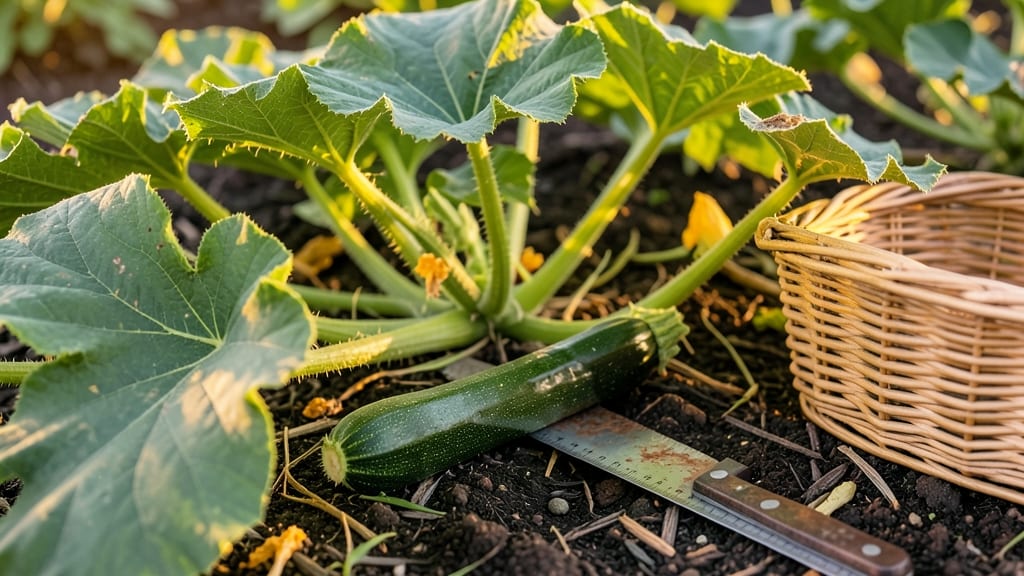
Harvesting round zucchini 🥒 when they're just right means the difference between a tender, sweet vegetable and a bitter, seedy disappointment.
Picking too early leaves you with stunted growth, while waiting too long turns your garden bounty into a tough, woody mess. The key is catching them at the perfect moment—when they're 6 to 8 inches long, with skin that yields slightly to gentle pressure.
Most gardeners miss the window because they focus only on size, but the real clues are in the stem color (a yellowing blossom end means it's ready) and the firmness of the skin.
Ignore these signs, and you'll end up with zucchini that's either too small or packed with hard seeds.
In this guide, I’ll walk you through the exact size ranges, visual cues, and seasonal timing to harvest your zucchini at peak flavor—plus how to fix common mistakes so you never waste another harvest.
3 Ideal size ranges for harvesting round zucchini (with photos)
Harvesting round zucchini at the right size guarantees tender flesh and sweet flavor. The key is watching for three distinct size ranges—each offering different textures and uses. I’ve grown zucchini for years, and I can tell you: timing matters more than most gardeners realize.
A zucchini left too long on the vine becomes tough, seedy, and bitter, ruining even the best garden intentions.
Most gardeners focus solely on length, but diameter and skin firmness are equally important. For example, a 4-6 inch zucchini is perfect for grilling, while a 6-8 inch one holds up better for baking.
Knowing these ranges helps you plan meals around your harvest. Let’s break down each stage with clear visual cues so you’ll never miss the perfect moment.
The 4-6 inch range is my favorite for quick meals. These zucchini are so tender they practically melt in your mouth. I can’t stress enough how important it is to check them every 2-3 days once they start flowering.
The skin should yield slightly when you press your thumbnail—like pressing a ripe avocado. If it springs back, it’s not ready yet. At this stage, the seeds are nearly invisible, and the flavor is at its peak.
When zucchini reach the 6-8 inch range, they’re ideal for heartier dishes. The skin thickens just enough to hold up during cooking, but it’s still tender enough to eat. This is the sweet spot for most recipes, including zucchini bread or casseroles.
The seeds are still small but visible, and the flesh has a slightly firmer texture. If you’re growing zucchini for storage, this is the best size to pick—it’ll keep for a few days in the fridge without losing quality.
Here’s a trick I learned from my grandmother: twist the zucchini gently at the stem while holding the fruit. If the stem snaps cleanly with a slight crack, it’s ready. If it resists or tears, wait another day.
Overripe zucchini (8+ inches) become tough and develop bitter compounds as the seeds harden. The skin turns waxy, and the flesh develops a grainy texture. At this point, they’re best used for seed saving or composting—unless you’re making zucchini relish, where the sweetness balances the bitterness.
Regional variations can affect timing slightly. In warmer climates like Zone 9 or 10, zucchini may grow faster and reach harvest size in as little as 45 days. In cooler zones like 5 or 6, they might take up to 65 days to mature.
Always adjust your harvest schedule based on your local growing season. I’ve found that container-grown zucchini often mature faster than those in garden beds, so monitor them closely if you’re growing in pots.
One common mistake is assuming all zucchini varieties follow the same size guidelines. Round zucchini like ‘Black Beauty’ or ‘Eight Ball’ are bred for compact growth, while long varieties like ‘Straight Eight’ can be harvested at different lengths. Always check the seed packet for specific recommendations.
For round types, stick to the 6-8 inch range for the best balance of texture and flavor. If you’re unsure, err on the side of harvesting earlier—you can always leave a few to grow larger for seed saving.
Pro tip: Use a measuring tape or ruler to track growth if you’re new to harvesting. Place it next to your plants when you water them in the morning—it’s a simple habit that pays off with perfect-sized zucchini.
I keep a small notebook by my garden to jot down harvest dates and sizes. Over time, you’ll develop an instinct for when to pick, but starting with measurements takes the guesswork out of it.
Remember, the goal is to harvest before the seeds harden. Once they turn yellow or brown, the zucchini is past its prime. Even if it looks big and healthy, the flavor will suffer.
With practice, you’ll learn to spot the perfect moment just by looking at the plant. Happy harvesting!
How to check ripeness beyond size: 5 pro tips for perfect picks
Measuring your round zucchini with a tape measure isn't always practical—especially when you're standing in your garden with dirty hands. Instead, I rely on these 5 simple ripeness tests that help me pick zucchini at their peak.
These methods work whether you're harvesting 6-inch pattypan varieties or 8-inch standard zucchini, ensuring tender flesh and minimal seeds every time.
First, check the stem end for color changes. When your zucchini is ready, the stem end will turn from bright green to a yellowish hue. This color shift signals the fruit has reached its ideal sugar-to-seed ratio.
I always compare both ends of the zucchini—if one side is still green, it needs more time on the vine.
Next, perform the thump test by gently tapping your zucchini against your palm. A ripe zucchini will make a hollow, slightly dull sound, similar to knocking on a wooden door.
If it sounds more like a drum, it's still too firm and needs more time. This test works best when you're comparing multiple zucchini at once.
🟡 Pro Tip: The thump test becomes more reliable as zucchini grow larger. Smaller varieties may not produce a clear sound until they reach at least 5 inches in diameter.
⚠️ Overripe Zucchini Warning Signs
Hard skin that doesn't yield when pressed with your thumbnail is the #1 sign your zucchini has passed its prime. Look for these red flags too:
- Rock-hard seeds inside when you cut open the end
- Dull, grayish skin instead of vibrant green
- Stem end turning brown or rotting
For a more scientific approach, I use the skin thickness test. Press your thumbnail into the zucchini's skin—if it leaves a slight dent but doesn't puncture, it's ready.
When the skin feels thick and leathery, the flesh inside becomes fibrous. This test works especially well for round varieties where size can be deceiving.
Don't overlook the leaf inspection method. Healthy zucchini plants will have vibrant green leaves with no yellowing. If you notice leaves wilting or turning yellow near a particular fruit, it's a sign the zucchini is draining nutrients and may be overripe.
I always harvest from plants showing these stress signs first to keep the rest of the crop thriving.
Finally, for the most accurate test, use a sharp knife to cut off the blossom end and peek inside. If you see small, pale seeds (about the size of a pinhead), your zucchini is perfect.
Larger seeds mean it's past its prime. This method gives you the most precise ripeness feedback, but I only use it when I'm unsure about other indicators.