
How To
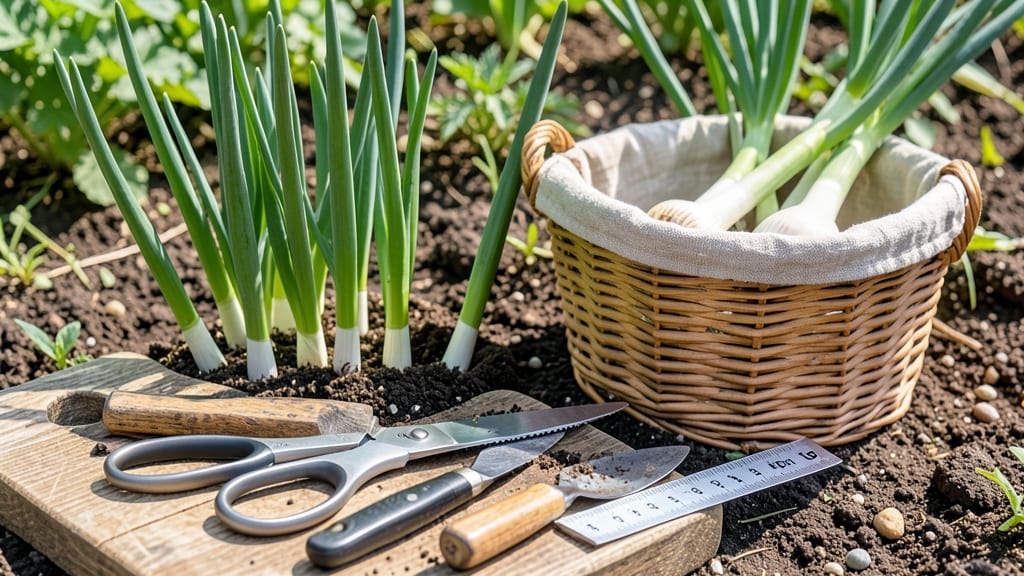
Harvesting spring onions at the right time ensures the best flavor and avoids bitterness or bolting 🧅 — and the key is watching for three simple visual cues.
Spring onions are one of the easiest and most rewarding crops to grow, but timing their harvest is everything. Pull them too early, and you’ll sacrifice flavor; wait too long, and they’ll bolt or become bitter.
Here’s how to spot the perfect moment to harvest for maximum freshness and taste: look for leaves reaching 6-8 inches, a bulb base 1-2 inches in diameter, and vibrant green color.
Below, I’ll walk you through these visual cues, common mistakes to avoid, and how to extend your harvest season with simple techniques.


3 Visual cues to identify perfectly ripe spring onions
Spring onions are ready for harvest when they reach their peak flavor and texture—but spotting that exact moment can be tricky. Unlike mature onions, these delicate greens don’t have a long window for perfection.
The difference between a crisp, mild spring onion and a tough, bitter one often comes down to three key visual cues: leaf size, bulb thickness, and root development. Mastering these will ensure you harvest at the ideal moment without damaging the plant.
For green spring onions, the focus is on leaf length and crispness, while white varieties require watching bulb development. Both types share one critical rule: harvest before they bolt, or the flavor will turn sharp and unpleasant.
I’ve learned this the hard way—skipping these visual checks once led to a batch of spring onions that tasted more like overgrown grass than the fresh, oniony goodness I’d hoped for.
Here’s what to look for to guarantee you pick your spring onions at their absolute best:
- 1 Leaf Length: Harvest when leaves reach 6-8 inches tall. For green varieties, this means the entire plant should be fully elongated but still vibrant. If leaves are shorter than 4 inches, they’re not ready—wait another week or two for optimal size and flavor.
- 2 Bulb Thickness: For white or yellow varieties, the bulb base should measure 1-2 inches in diameter. Gently grasp the base near the soil—if it feels firm and rounded (not skinny or woody), it’s ready. Bulbs larger than 2 inches often become pungent and tough.
- 3 Root Development: The roots should be well-anchored but not overly tangled. If you gently wiggle the plant and it resists slightly, the roots are strong enough for harvest. Overly tangled roots (or none at all) mean you’ve waited too long—bolting is likely imminent.
🌱 Pro Tip: For continuous harvests, cut green onions just above the soil line—they’ll regrow for 2-3 more cuts!
Color is another subtle but important clue. Healthy spring onions should have vibrant green leaves with no yellowing or browning. If you notice the tips turning yellow or the plant sending up a tall flower stalk, you’ve missed your window—bolting means it’s past its prime.
I once let a batch go too long, and the entire plant shot up a purple flower stalk overnight. Lesson learned: check your plants weekly!
Timing also depends on your climate. In cooler regions, spring onions mature faster (around 60-70 days), while warmer areas may take up to 90 days.
Always align your harvest with the first frost date—spring onions won’t survive freezing, so plan to harvest before temperatures drop below 25°F. My zone 6a garden gives me a narrow window between late May and early July for peak harvests.
One mistake I see often is pulling spring onions by the roots instead of cutting them. This damages the plant and can stunt future growth. Instead, use a sharp knife or clean scissors to slice just above the soil line.
For green onions, this method lets you harvest multiple times from the same plant. For bulb varieties, you’ll want to pull the entire plant once the bulb is fully developed.
After harvesting, store spring onions in a perforated plastic bag in the fridge for up to 2 weeks. For longer storage, braid the green tops and hang them in a cool, dry place—this mimics their natural growth position and keeps them fresh for months.
I’ve kept harvested spring onions this way through winter, using them in soups and salads long after the garden has gone dormant.
Paying attention to these visual cues will transform your spring onion harvest from hit-or-miss to consistently delicious. The next time you’re in your garden, take a moment to check for these three signs—your taste buds will thank you! 🌿
Spring onion harvesting mistakes that ruin your crop (and how to avoid them)
Harvesting spring onions at the wrong time can turn your crisp, flavorful crop into bitter, woody disappointment. I’ve learned the hard way that timing is everything—whether you’re pulling them too early for maximum flavor or too late when they bolt.
Even small mistakes like incorrect harvesting techniques can damage the plant and reduce future yields.
The most common mistake I see is harvesting when spring onions are still too small. When you pull them before their bulbs develop, you’re left with nothing but flavorless green stems.
On the flip side, waiting too long leads to bolting—when the plant sends up a flower stalk, making the onions bitter and tough. Both extremes waste your gardening efforts.
Another critical error is uprooting instead of cutting. Many gardeners pull the entire plant, leaving no chance for regrowth. This is especially costly if you’re trying to extend your harvest season. A simple cut-and-come-again method can give you multiple harvests from the same plant, but only if done correctly.
⚠️ When NOT to Harvest Spring Onions
- Leaves under 6 inches – Bulbs won’t be developed enough for flavor.
- Pale or yellowing leaves – Sign of stress or disease, not readiness.
- After bolting begins – Flower stalks mean bitter, tough onions.
Wait until leaves reach 6-8 inches and bulbs are 1-2 inches thick for peak flavor.
Ignoring weather conditions is another silent crop killer. Harvesting after heavy rain can make the soil too soft, leading to broken bulbs. Similarly, harvesting in direct midday sun causes the onions to wilt quickly. Always harvest in the early morning when the plants are crisp and hydrated.
If you’re growing spring onions for a continuous harvest, resist the urge to take everything at once. Instead, use the cut-and-come-again method: Snip the outer leaves just above the bulb, leaving the roots intact. This encourages regrowth and can extend your harvest by 4-6 weeks per planting.
Finally, storage mistakes can ruin freshly harvested spring onions. If left in humid conditions, they’ll spoil quickly. Trim the roots and store them in a perforated plastic bag in the fridge for up to 2 weeks.
For longer storage, braid the onions and hang them in a cool, dry place.
By avoiding these common mistakes, you’ll enjoy crisp, flavorful spring onions all season long—without wasting a single plant. 🧅