
How To
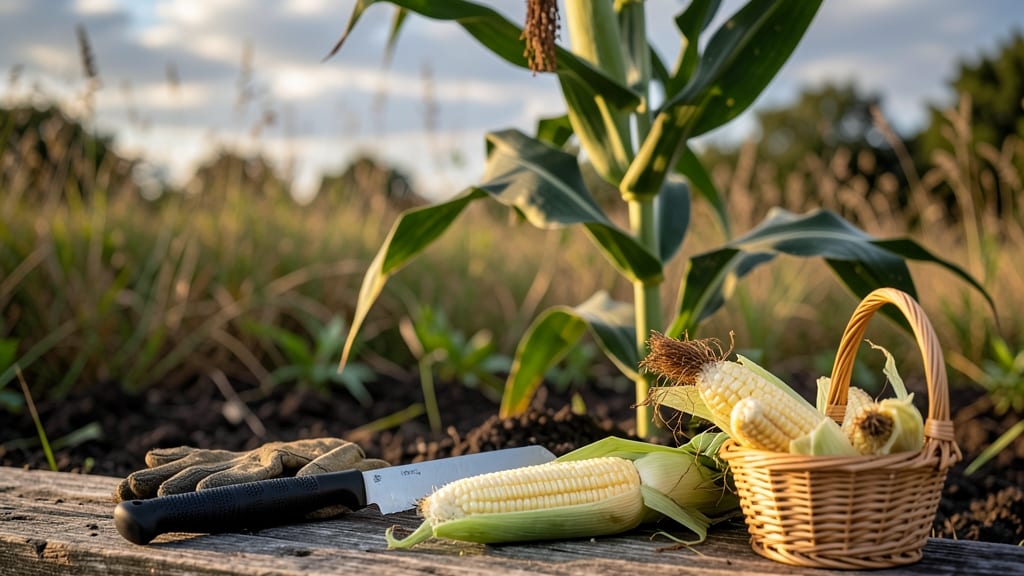
Harvesting sweet corn 🌽 at the right moment transforms your garden into a flavor factory—juicy kernels packed with natural sugar instead of tough, starchy disappointment.
Picture this: you’ve waited months for those tall stalks to produce ears, only to pull one too early and find underdeveloped kernels or wait too long and end up with a dry, mealy mess.
The difference between a restaurant-quality ear and a sad, chewy one comes down to timing—and the kernel milk test is your secret weapon.
Most varieties reach peak sweetness about 18 to 24 days after pollination, but weather, soil, and even the time of day can shift that window. Too hot? The sugars convert faster.
Too cool? They stall. That’s why checking for milky white fluid when you slice a kernel (not green or clear) is the most reliable trick in the book.
Below, I’ll walk you through the exact steps to test your corn, how to adjust for your local climate, and the three biggest mistakes that turn golden ears into garden flops. Ready to turn your harvest into a sweet success?


How to use the kernel milk test for perfect sweet corn harvest timing
Sweet corn reaches its peak sweetness when the kernels release a milky white fluid—this simple test is the most reliable way to determine harvest readiness. The kernel milk test reveals whether your corn is tender, juicy, and packed with natural sugars.
Unlike relying on days after planting, this method accounts for variety differences and environmental factors like temperature and soil moisture.
To perform the test, select a representative ear from your corn patch and peel back the husks. Look for these key visual cues: silks turning brown, ears feeling firm, and kernels that are plump and tightly packed.
The milk test is the final confirmation step that ensures you’re harvesting at the perfect moment for maximum flavor.
Why the kernel milk test works: The milky fluid indicates high moisture content and peak sugar levels. When kernels are overripe, this fluid disappears, leaving you with starchy, tough corn. Conversely, underripe corn will have clear or watery milk, signaling it needs more time on the stalk.
Step-by-Step Kernel Milk Test
- Step 1: Select a mature-looking ear (husks fully covering the ear, silks browned)
- Step 2: Peel back the outer husks and remove the silk from one ear
- Step 3: Squeeze a kernel firmly with your fingernail—look for milky white fluid to appear
- Step 4: Check the color and consistency:
- Perfect: Thick, creamy white milk
- Underripe: Clear or watery fluid
- Overripe: Cloudy or no fluid
- Step 5: If milk is milky white, harvest immediately. If not, wait 1-2 days and retest
🌽 Pro Tip: Test 2-3 ears daily during peak harvest season for consistency
For supersweet varieties, the milk should be slightly thicker and more opaque than standard sweet corn. These varieties convert sugars more quickly, so they’re even more time-sensitive. If you’re growing enhanced sweet corn, aim for a bright white milk—any yellowing indicates overmaturity and reduced sweetness.
Troubleshooting cloudy or clear milk is simple: cloudy milk means the corn is slightly overripe but still edible, while clear milk signals it needs more time. In both cases, retest the same ear 24 hours later—the milk’s appearance changes rapidly as the kernels mature.
Pay attention to the ear’s firmness too; soft spots mean the corn is past its prime.
Harvest timing also depends on morning vs. evening conditions. Always perform the kernel milk test in the morning after dew has dried—this is when sugars are at their peak.
If you test in the afternoon, the milk may appear slightly thinner due to natural sugar conversion throughout the day. For consistent results, stick to a morning routine.
Once you’ve confirmed the perfect milk, use a sharp knife to cut the ear about ½ inch below the ear to avoid damaging the plant. Twisting ears off can leave behind plant residue, which may harbor pests.
After harvesting, store corn in the refrigerator for up to 5 days or blanch and freeze for long-term storage to preserve that just-harvested sweetness.
Practice makes perfect with the kernel milk test—after a few harvests, you’ll recognize the ideal milk consistency by sight alone. This method ensures your sweet corn stays tender, sweet, and full of flavor, making every ear worth the effort.
The next time you’re debating whether to harvest, skip the guesswork and trust the milk!
Sweet corn harvest window: days after pollination by variety type
Knowing the exact harvest window for your sweet corn varieties ensures peak flavor and texture. Most varieties reach maturity 18 to 24 days after pollination, but timing varies by type. Standard sweet corn typically matures first, while supersweet and enhanced sweet varieties take slightly longer.
Understanding these differences helps you plan for continuous harvests all season.
Weather and soil conditions also play a critical role. Cooler temperatures slow maturity, while hot, dry spells can accelerate it. Rich, well-drained soil with adequate nutrients ensures consistent development. Pay attention to silk browning and ear firmness—these visual cues confirm readiness even if days after pollination aren't exact.
| Variety Type | Days After Pollination | Common Varieties | Harvest Cues |
|---|---|---|---|
| Standard Sweet | 18-21 days | Silver Queen, Country Gentleman | Silks brown, kernels milky |
| Supersweet (sh2) | 20-24 days | Ambrosia, Honey & Pearl | Silks crispy, kernels plump |
| Enhanced Sweet (se) | 21-23 days | Peaches & Cream, Temptation | Silks dry, kernels firm |
| All Types | Adjust ±3 days | Cool weather delays | Check kernels daily |
For supersweet varieties, like Ambrosia, patience is key—their higher sugar content requires extra time to develop.
I always check kernel moisture by cutting one ear open; if it’s milky white, it’s ready. Enhanced sweet types, such as Peaches & Cream, balance sweetness and crunch, so harvest when silks turn completely brown and brittle.
Soil fertility impacts maturity too. Nitrogen-rich soil speeds growth but can reduce sweetness, while phosphorus-heavy soil improves root development. I recommend a balanced 10-10-10 fertilizer applied at planting and again when plants are 6 inches tall. Over-fertilizing with nitrogen leads to leafy growth at the expense of ear development.
Extreme weather throws off timing. Heatwaves above 90°F can cause kernel shriveling in just 24 hours, while prolonged rain delays pollination. Keep an eye on your plants and adjust expectations—sometimes the kernel milk test is more reliable than days after pollination alone.
Plan for staggered planting if you want continuous harvests. By spacing out standard, supersweet, and enhanced sweet varieties by 10-14 days, you’ll enjoy fresh ears for weeks. Store harvested corn in the refrigerator for up to 5 days to preserve sweetness.