
How To
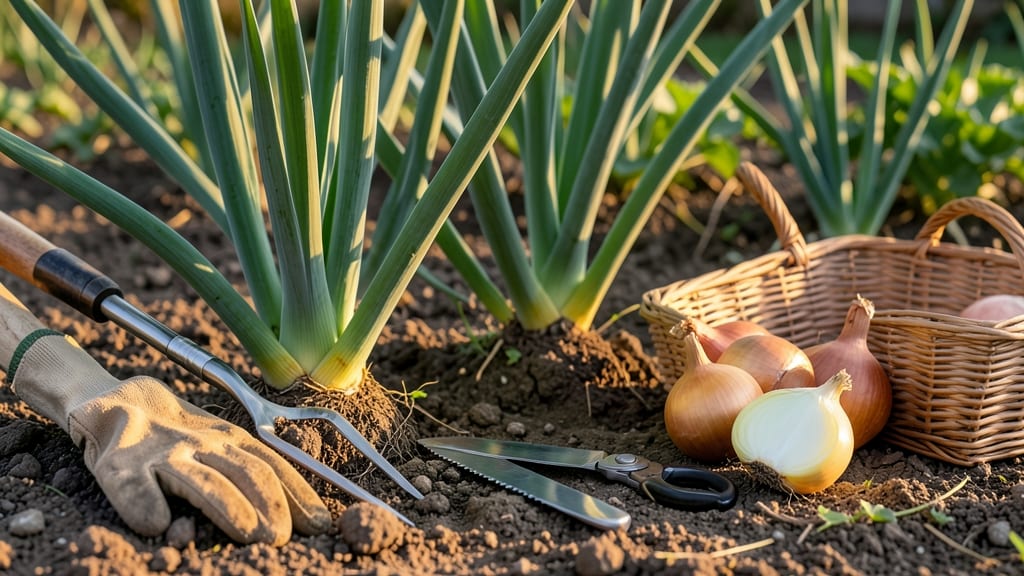
Harvesting sweet onions at the right time means the difference between a burst of sweet, tender flavor and a tough, pungent mess.
Sweet onions are a gardener’s treasure—juicy, mild, and packed with flavor—but harvesting them too early or too late ruins everything. Timing is everything, and these size-based tests will help you nail it every time.
Think about it: a bulb that’s too small is watery and bland, while one left too long turns bitter and papery.
The key is catching them when the tops yellow and the neck thickens—usually around 100-120 days after planting—but knowing exactly when to pull them is what separates a great harvest from a good one.
In this guide, I’ll walk you through three foolproof size-based tests to determine peak harvest time, plus how to handle them afterward so they stay fresh and flavorful for weeks.


3 Size-based tests to determine perfect sweet onion harvest time
Harvesting sweet onions at the right moment means the difference between juicy, mild bulbs and tough, pungent ones. Unlike storage onions, sweet varieties like Texas Super Sweet or White Sweet Spanish need precise timing.
The key? Three simple size-based tests that reveal when your onions are ready to pull. Skip these, and you risk flavor loss or wasted effort.
Most gardeners wait for 100-120 days after planting, but environmental factors—like heat or moisture—can shift this window. Instead of guessing, use these physical maturity checks to confirm readiness.
Each test takes less than 30 seconds and eliminates the guesswork. Start with the bulb diameter test, then verify with the other two for accuracy.
The bulb diameter test is your first clue. Sweet onions should measure between 1 and 2 inches across when ready. Hold the bulb between your thumb and forefinger—it should feel firm but not rock-hard.
If it’s smaller than a golf ball, wait a few days. Over-sized bulbs (larger than 2.5 inches) often lose sweetness and become pungent.
Next, check the neck thickness. The stem connecting the bulb to the green tops should be about ½ inch thick and feel slightly woody when pinched.
A thin, flexible neck means the onion isn’t mature yet. Pro tip: If the neck snaps easily, it’s overripe—harvest immediately to salvage flavor.
Finally, examine the top growth. Ready-to-harvest onions have yellowing tops that naturally flop over. If the greens are still green and upright, the bulb isn’t fully developed. Wait until at least 50% of the tops yellow before proceeding. This is nature’s way of signaling maturity!
Timing your harvest isn’t just about size—it’s also about seasonal cues. In hot climates, sweet onions may mature faster (as early as 90 days), while cooler regions might need the full 120 days.
Always harvest in the morning when temps are mild to preserve sweetness. Avoid harvesting after heavy rain, as wet bulbs won’t cure properly.
Once you’ve confirmed all three tests, it’s time to harvest. Use a sharp knife or garden fork to slice the tops 1 inch above the bulb. This prevents the neck from re-growing and ensures the bulb focuses on storage.
Handle gently—bruised onions spoil faster and lose flavor. After harvesting, let them cure in a dry, shaded spot for 3–5 days to develop their sweetness.
If you miss the window, don’t panic. Over-mature sweet onions can still be used in cooked dishes, but their flavor shifts from mild to slightly bitter.
For the best results, trust the size-based tests and harvest when the bulb, neck, and tops all align. Your taste buds—and your dinner table—will thank you.
Remember: The perfect sweet onion is a balance of size, firmness, and color. Master these three tests, and you’ll never waste another harvest again. Happy digging!
Common mistakes that ruin sweet onion flavor (and how to avoid them)
Even with perfect timing, sweet onions can lose their delicate flavor due to subtle mistakes most gardeners overlook. The most common culprit? Ignoring environmental stress signs like heat stress or uneven moisture.
I’ve seen beautiful bulbs turn bitter in my own garden because I missed these warning signals until it was too late.
Over-maturity is another silent flavor killer—those papery outer layers and tough necks develop when onions stay in the ground past their prime. And let’s not forget under-maturity, which leaves you with watery, bland bulbs that lack the sweetness you’re craving.
These mistakes happen more often than you’d think, especially in variable climates.
Here’s the hard truth: Sweet onions need consistent conditions to develop their signature mild taste. Too much heat or drought triggers bitterness, while excessive moisture dilutes their flavor. The key is paying attention to leaf color, neck thickness, and soil conditions—not just days since planting.
🚨 When to Harvest Sweet Onions: Critical Warning Signs
Harvest too early: Bulbs <1 inch diameter, green tops still growing vigorously (🟢), soft when squeezed (🤏)
Harvest too late: Tops completely brown and papery, neck woody and thick (🔍), bulbs hollow when cut
Environmental stress: Yellowing leaves from heat stress (✅ check soil moisture) or uneven watering (💧 test with finger)
Let me break down the three biggest flavor destroyers and how to spot them before they ruin your harvest. First, heat stress turns sweet onions bitter faster than you’d expect.
When daytime temps hit 90°F+, those bulbs start converting sugars to defensive compounds. I’ve had entire rows turn pungent in a single week during summer heatwaves.
Moisture imbalance is equally sneaky. Overwatering causes bulbs to split and develop soft spots, while underwatering triggers premature maturity. The solution? Consistent morning watering (never at night) and well-draining soil. I’ve lost count of how many gardeners assume "more water = better onions"—it’s the opposite for sweet varieties.
Finally, over-maturity happens when you ignore the plant’s natural signals. Those yellowing tops aren’t just dying—they’re telling you it’s time to harvest. If you wait for the tops to completely brown and flop, your onions will develop thick skins and lose their sweetness.
Pro tip: Harvest when 50% of tops yellow for peak flavor.
Remember these rules: Watch the weather, check bulb firmness daily, and never harvest after a heatwave. Your taste buds will thank you when you bite into that perfect, sweet onion—juicy and mild, just like it should be. 🧅