
Plants
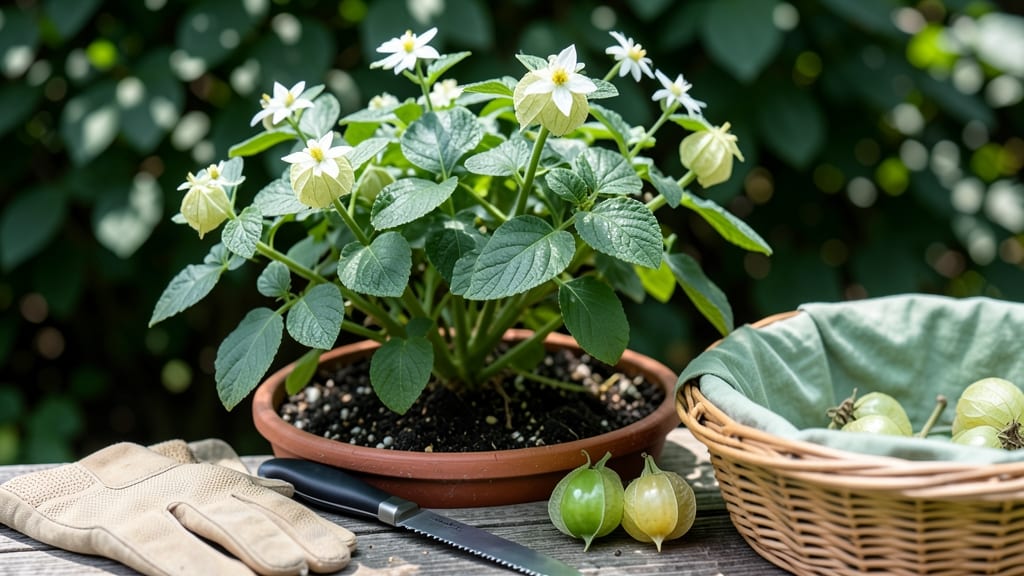
Harvest tomatillo plants when pods reach 1-2 inches and turn uniformly green 🍃—this is the sweet spot for peak flavor before they turn mealy.
If you’ve ever picked them too early and ended up with bland, underdeveloped salsa, you know timing matters. But here’s the catch: greenhouse-grown tomatillos ripen faster than outdoor plants, so you’ll need to adjust your approach based on where they’re growing.
Outdoors, look for firm pods with a slight gloss and leaves starting to yellow—these are your cues. In a greenhouse, artificial lighting can speed up ripening, so check pods every 5-7 days starting around 75 days after planting.
Below, I’ll walk you through the exact visual and tactile signals to watch for, plus how to avoid common mistakes like overripe fruit or missed harvest windows.


Key ripeness signals for harvesting tomatillos outdoors
Harvesting tomatillos at the right moment transforms your garden into a flavor factory. Unlike tomatoes, these green husk-covered pods ripen based on size, firmness, and color—not redness. Outdoor-grown tomatillos typically reach peak ripeness between late July and early September, but exact timing depends on your climate and variety.
For most gardeners, the ideal harvest window falls when daytime temperatures consistently stay between 70°F and 85°F. Cooler mornings and warm afternoons create perfect ripening conditions, while extreme heat or frost can stress the plants and alter flavor. Pay close attention to these environmental cues alongside visual signals.
Here’s a quick reference to help you identify when your tomatillos are ready for harvest:
| Ripeness Signal | Description | Action to Take |
|---|---|---|
| Pod Size | 1-2 inches in diameter | Harvest when pods reach this size for best flavor. |
| Pod Color | Uniform bright green with slight gloss | Avoid pods with yellowing or brown spots. |
| Firmness | Firm to gentle squeeze (like a ripe avocado) | Soft or mushy pods are overripe. |
| Husk Condition | Dry, papery husk that easily peels back | Moist husks indicate unripe pods. |
| Leaf Signals | Lower leaves yellowing slightly | Healthy upper leaves remain green. |
| Daylength | 12-14 hours of daylight | Harvest when days start shortening slightly. |
The pod size is your most reliable indicator—aim for 1-2 inches in diameter. Smaller pods (under 1 inch) often lack the tangy punch needed for salsa verde. Gently squeeze the pod: it should feel firm but not rock-hard.
If it yields slightly, it’s ready. Overripe tomatillos develop a mealy texture and lose their bright green color, turning dull or yellowish.
Pay attention to the husk’s condition too. A dry, papery husk that peels back easily signals ripeness. If the husk stays moist or clings tightly, the pod needs more time.
Some gardeners also watch for leaf signals: lower leaves may yellow slightly as the plant redirects energy to ripening pods, but upper leaves should remain vibrant.
Temperature plays a critical role in outdoor ripening. In hotter climates (Zones 9-11), tomatillos may ripen faster—sometimes in as few as 60 days. In cooler regions (Zones 3-7), they might take up to 90 days.
If frost threatens before harvest, pick pods when they’re firm and green, even if slightly small, and finish ripening indoors at room temperature.
One common mistake is waiting too long for color changes. Unlike tomatoes, tomatillos never turn red—they ripen while remaining green. Rely instead on size, firmness, and husk condition. For early harvests, you can pick pods at ¾ inch when flavor starts developing, but they’ll be milder.
The peak flavor window is when pods hit 1.5 inches and feel firm.
Morning is the best time to harvest because pods are cooler and firmer. Use clean pruning shears or scissors to avoid damaging the plant, leaving a ½-inch stem.
Store harvested tomatillos in a paper bag in the fridge for up to 2 weeks to slow ripening, or use them immediately for the freshest salsa verde.
Pro tip: If you’re growing multiple varieties, harvest them separately. Some, like ‘Purple Tomatillo’, ripen slightly later and may need 10 extra days compared to standard green types. Always taste-test a few pods to confirm flavor intensity before committing to a full harvest.
Greenhouse-grown tomatillos: adjusting harvest timing for controlled environments
Greenhouse-grown tomatillos thrive under controlled conditions, but these same factors can alter traditional ripening signals. Artificial lighting, consistent temperatures, and regulated humidity create an environment where tomatillos may ripen faster or slower than outdoor plants.
Understanding these differences is key to harvesting at the perfect flavor peak.
In open fields, daylight hours and temperature fluctuations naturally signal ripeness. But in greenhouses, extended light exposure (14+ hours) can accelerate growth, while stable 70–80°F temperatures remove the stress that triggers outdoor ripening cues. This means you’ll need to adjust your timing based on these controlled variables.
⚠️ Warning: Greenhouse Ripeness Traps
Don’t rely solely on color or size in greenhouses—these can be misleading! Overripe tomatillos in controlled environments may stay green longer but develop mealy texture and bitter flavors. Always check for firmness and slight gloss, even if pods appear perfect visually.
For greenhouse-grown tomatillos, pod firmness becomes your most reliable cue. Gently squeeze the pods—if they feel springy but not hard, they’re likely ready. Outdoor plants often soften slightly as they ripen, but greenhouse-grown pods may stay too firm if left too long, indicating overmaturity.
Humidity also plays a critical role. In greenhouses with high humidity (60–70%), tomatillos may develop a shiny, almost waxy surface before reaching peak flavor. If humidity drops below 50%, pods might dry out prematurely, losing their tangy kick.
Monitor humidity levels and harvest when pods are glossy but not sticky.
Artificial lighting extends the growing season, so don’t wait for natural daylight cues like leaf yellowing. Instead, track the number of days to maturity (typically 75–90 days) and adjust harvest timing based on your light schedule.
If using supplemental LED grow lights, tomatillos may ripen 10–15 days faster than outdoor plants.
To maximize flavor, harvest greenhouse tomatillos in the early morning when pods are cool and firmest. Store them in paper bags at 55–60°F for up to 2 weeks, but use them within 5–7 days for the brightest tang.
Avoid storing overripe pods—they’ll turn mealy and flavorless quickly in controlled environments.