
How To
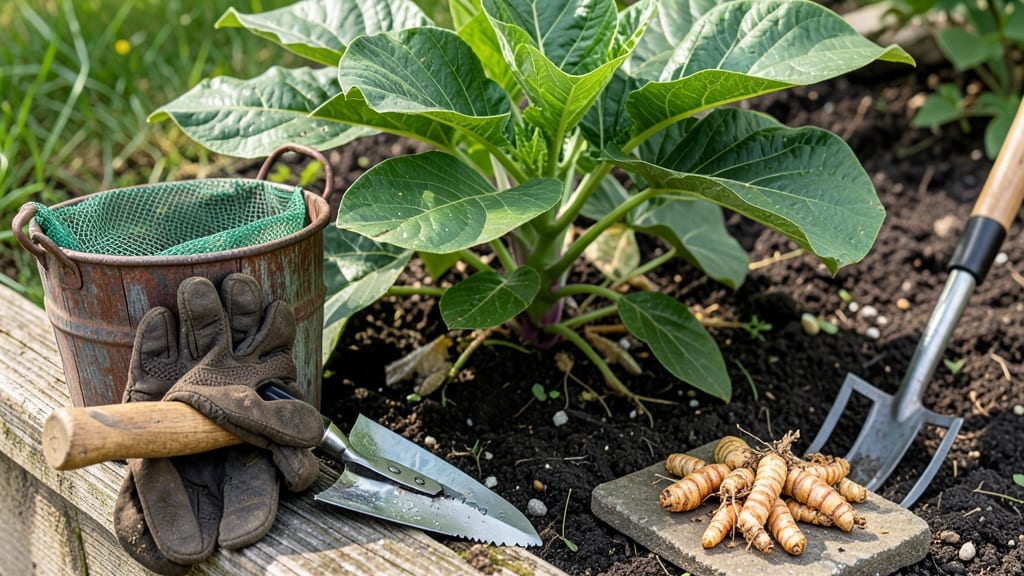
Harvesting turmeric at the right time means the difference between a bold, golden root and a bland, underdeveloped one.
Picture this: you’ve nurtured your 🌿 turmeric for months, watching it thrive in your garden, only to pull up the rhizomes too soon—or too late—and miss the peak flavor and potency. The key lies in knowing exactly when those roots reach their prime, both in size and color.
In USDA Zone 6a, the ideal window falls between October and November, but climate plays a big role. Tropical regions might harvest months earlier, while cooler areas could stretch it into December.
The secret? Watching for yellowing leaves and firm, finger-width rhizomes—visual cues that tell you the moment is finally here.
Below, I’ll walk you through the exact signals to look for, how to avoid common mistakes that ruin your harvest, and the best way to handle and cure your turmeric for maximum freshness and flavor.


How to identify turmeric root size for optimal harvest timing
Harvesting turmeric at the right time ensures maximum flavor intensity and curcumin potency. The key lies in the rhizome diameter, which should reach 1.5–2 inches for peak benefits.
Smaller roots mean milder taste, while oversized ones become woody and bitter. I’ve learned the hard way—waiting too long ruins the harvest!
Turmeric rhizomes grow underground, making size assessment tricky without digging. Use your thumb as a guide: ideal roots should be about the width of your finger joint.
Younger roots (under 1 inch) lack full flavor development, while mature ones (over 2.5 inches) lose their vibrant color and become tough.
Growth stages matter too. Early in the season, roots are soft and pale. As they mature, they develop a firm texture and bright orange-yellow hue. The skin should feel slightly rough, not smooth. This transformation signals readiness for harvest.
Here’s the golden rule: harvest when 80% of leaves yellow and the plant slows growth. This usually occurs 8–10 months after planting, but climate affects timing. Tropical regions may harvest earlier (6–8 months), while cooler zones take longer.
| Root Stage | Diameter | Texture | Color | Harvest Time |
|---|---|---|---|---|
| Early Growth | Under 1 inch | Soft | Pale yellow | Not ready |
| Ideal Harvest | 1.5–2 inches | Firm | Bright orange | Perfect! |
| Overmature | Over 2.5 inches | Woody | Dull brown | Too late |
To check rhizome size without damaging the plant, gently part the soil around the base using a small trowel. Look for knobby formations—these are the developing roots. If they’re smaller than expected, wait 2–4 weeks before reassessing. Patience pays off for richer flavor!
Soil disturbance also reveals another clue: root branching. Well-developed turmeric rhizomes form multiple "fingers". Each finger should be at least 1 inch long for optimal harvest. Thin, single roots indicate the plant needs more time to mature.
Climate plays a surprising role in timing. In tropical zones, turmeric grows faster due to longer warm seasons. I’ve seen harvests as early as 6 months in Florida, while my Zone 6a garden takes nearly 10 months. Adjust expectations based on your local frost dates.
One common mistake? Harvesting based solely on leaf color without checking root size. Yellowing leaves signal readiness, but some varieties (like Alpin) stay green longer. Always dig to confirm. A quick soil check saves time and ensures you’re harvesting at peak potency.
Pro tip: Mark your planting date and track growth. Most turmeric varieties take 300 days to reach ideal size. Use a gardening journal to note leaf changes and soil conditions—this helps predict future harvests with precision.
Finally, remember that curcumin levels peak when roots are firm but not woody. Overripe turmeric loses its medicinal benefits and becomes tough to grind. Balance patience with timing—your taste buds (and health) will thank you!
Leaf color and plant signals that indicate harvest readiness
Turmeric plants send clear visual signals when their rhizomes are ready for harvest. The most reliable cues come from the leaves and stems, which change dramatically as the plant redirects energy underground.
Start watching for yellowing leaf edges and gradual leaf drop about 8-10 months after planting—this is your first sign that the rhizomes are maturing.
In temperate climates, these signals typically appear in late fall (October-November), while tropical regions may see them earlier (August-September) due to longer growing seasons. The 2-4 week difference between climates means timing your harvest based solely on calendar dates risks missing the peak potency window.
Pros-Cons Box: Harvest Signals
✅ Harvest Ready Signals
- 🟡 70% leaf yellowing (natural senescence)
- 🌿 Stems harden (feel woody when squeezed)
- 📉 Growth slows (new leaves stop emerging)
- 🌡️ Cooler temps (below 75°F/24°C)
❌ Premature Harvest Risks
- 🟢 Green leaves = underdeveloped rhizomes
- 🤏 Soft rhizomes (easily pierced with fingernail)
- 🌱 Rapid regrowth after disturbance
- 🌡️ Hot weather (above 85°F/29°C)
Pay special attention to the leaf drop pattern. Healthy turmeric leaves should yellow from the bottom upward, not suddenly blacken or wilt—this indicates disease rather than maturity. The stems will also harden noticeably, feeling more like bamboo than soft green shoots when you gently squeeze them.
Climate plays a crucial role in these signals. In tropical zones, where growing seasons extend beyond 10 months, you might see two harvest cycles per year. Monitor your plants weekly during the last 60 days of growth, as the transition from green to yellow happens rapidly in warm conditions.
For temperate climates, combine leaf signals with frost dates. If your first frost arrives before leaves fully yellow, harvest 2-3 weeks earlier to avoid cold damage. The rhizomes will still be potent, though slightly smaller—prioritize color depth over size when making this call.
Once you spot these signals, act within 5-7 days. Waiting too long risks woody rhizomes that lose their vibrant color and curcumin content. The perfect harvest window is when 70% of leaves are yellow, stems are firm, and new growth has stalled completely.