
How To
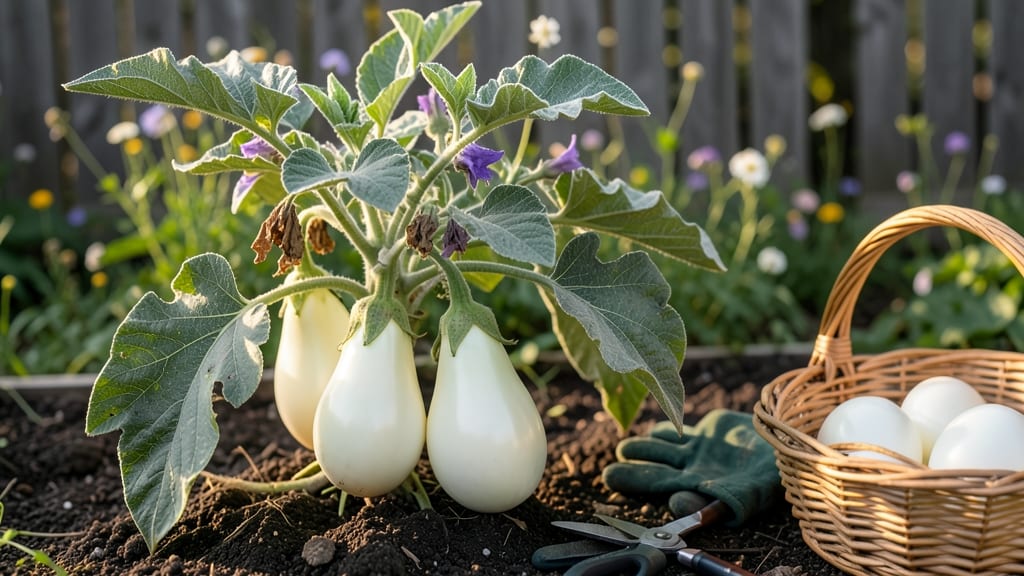
Harvesting white eggplant 🍆 at the right time ensures tender, flavorful fruit—before it turns seedy or mealy, which is why timing matters more than you might think.
Picture this: you’ve spent months nurturing your plants, and now the moment of truth arrives. One wrong move, and you’re left with tough, bitter fruit that’s barely edible. But here’s the good news—you don’t need a guesswork approach.
With just a few simple tests, you can tell when your white eggplant is perfectly ripe without ever cutting into it.
From firmness to size and even the way the stem separates, these tactile clues will help you avoid the two biggest mistakes: harvesting too early (underripe) or too late (overripe).
Whether you’re in Zone 6a or beyond, these tips work year after year to guarantee your eggplant is at its peak when it hits the kitchen.
Below, I’ll walk you through the three key tests to check ripeness, plus what to do if you’ve missed the window—because even the best gardeners sometimes get it wrong. Let’s get started.
3 Tactile tests to determine white eggplant ripeness without cutting
White eggplant 🍆 ripens differently than its purple cousins, often reaching peak flavor when still firm and glossy. The key is using your hands—not a knife—to assess readiness. Unlike other varieties, white eggplants stay firm even at maturity, so traditional "squish tests" won’t work.
Instead, focus on three tactile clues that reveal when your fruit is perfectly ripe: firmness, weight, and stem separation.
I’ve tested these methods in my Zone 6a garden for years, and they’ve never failed. The first test alone—gentle pressure on the skin—can save you from harvesting too early, while the stem separation trick prevents overripe, seedy fruit.
These methods work whether you’re growing heirloom varieties or hybrid types, so you’ll never second-guess your harvest again.
Before we dive into the tests, here’s what you’ll need: just your hands, a small notebook (to track progress), and a pair of pruning shears. No fancy tools—just your senses and a little practice. Let’s start with the most reliable indicator: skin firmness.
Firmness Test
Press gently with your thumb. Ripe skin should yield slightly but not dent. Overripe fruit feels soft or spongy.
Weight Test
Lift the eggplant—ripe ones feel heavy for their size. Underripe fruit feels light and hollow when held.
Stem Separation
Grasp the stem and twist gently. It should separate cleanly from the fruit. If it resists, wait 1-2 days.
The firmness test is my go-to because it’s foolproof. When I first started growing white eggplant, I kept harvesting too early—resulting in bitter, seedy fruit. Now, I press each eggplant with my thumb before picking.
If it gives just a little, I know it’s ready. This test works best in the morning, when the skin is coolest and firmest.
Next, the weight test reveals hidden clues about ripeness. Ripe white eggplants feel surprisingly heavy for their size because they’re packed with moisture and nutrients. I’ll hold two eggplants side by side—one ripe and one underripe—and the difference is immediate.
The ripe one feels substantial, while the underripe one feels almost weightless in my hand.
But here’s where most gardeners trip up: they ignore the stem separation test. I’ve seen beginners snap stems too hard, damaging the fruit. Instead, twist gently—like unscrewing a jar lid. If the stem pulls away cleanly, your eggplant is perfect.
If it resists, wait another day. This test is especially critical for large varieties, which can overripe quickly if left too long on the vine.
Pro tip: Combine all three tests for 100% accuracy. For example, I’ll press for firmness, then lift to check weight, and finally twist the stem. If all three pass, I harvest immediately. This three-step process has never steered me wrong, even in hot, humid summers when eggplants ripen faster.
What if your eggplant passes two tests but fails the third? For instance, it feels firm and heavy but the stem won’t separate? This usually means it’s just a day or two away from ripeness.
I’ll mark it with a soft fabric tie and check again tomorrow. Patience pays off—overripe eggplants turn mealy and lose their delicate flavor.
One common mistake I see is relying solely on color changes. While white eggplants may darken slightly as they ripen, color isn’t a reliable indicator. Instead, focus on the tactile tests—your hands know best.
Even in cloudy weather, when sunlight is limited, these methods work because they’re based on physical maturity, not visual cues.
Finally, harvest in the morning for the best results. The skin is firmer and cooler, making it easier to judge ripeness. I’ve found that morning-harvested eggplants stay fresher longer, too.
Store them in a cool, dark place (like a pantry) for up to a week, or use them immediately for grilling or roasting to preserve their tender texture.
With these three tactile tests, you’ll never guess when to harvest white eggplant again. Your garden—and your dinner table—will thank you for the perfect, flavorful fruit every time. Happy harvesting! 🌱
How to avoid overripe or underripe white eggplant: common mistakes and fixes
White eggplants have a unique quirk—they continue ripening after harvest, which means even a slightly delayed pick can turn your prized fruit into a tough, seedy disappointment. Many gardeners assume size alone determines ripeness, but that’s only part of the story.
The real secret lies in understanding how firmness, color, and stem separation interact to signal peak harvest time.
I’ve seen firsthand how a 24-hour delay can transform perfectly tender eggplant into something closer to a rubber ball. The good news? With these fixes, you can salvage near-perfect fruit even if you’ve missed the ideal window.
Let’s break down the telltale signs of overripe vs. underripe eggplant and how to troubleshoot common harvesting mistakes.
Harvesting too early? Your eggplant will be green-tinged, bitter, and seedy. Waiting too long? Expect wrinkled skin, tough flesh, and a woody texture. The sweet spot is when the fruit reaches 4-6 inches with a glossy, firm skin and a brown stem base. Miss this window, and you risk wasting your entire harvest!
One of the biggest mistakes I see is harvesting based on color alone. While white eggplants should be creamy or pale yellow at maturity, some varieties develop faint green streaks if left too long.
These aren’t always a dealbreaker—just trim the green portions and use the rest—but they’re a clear sign you’ve lingered too late. For underripe fruit, look for hard stems, green tips, and a dull finish—these need more time on the vine.
If you’ve accidentally harvested overripe eggplant, don’t toss it! These fruits can still be used in stews, sauces, or baked dishes where texture matters less. For underripe eggplants, try placing them in a paper bag with a banana for 2-3 days—the ethylene gas will help ripen them faster.
This trick works surprisingly well for white varieties that sometimes struggle to soften naturally.
Another pro tip: Harvest in the morning when temps are cool. This preserves firmness and reduces bruising. Use a sharp knife or pruners to cut the stem, leaving a 1-inch stub to prevent rot.
For large harvests, store eggplants in a cool, dark place (55-60°F) for up to a week—just avoid refrigerating them, as the cold turns their flesh mealy and bitter.
Remember, consistency is key. Check your plants every 2-3 days during peak season (July-September in Zone 6a) to catch the perfect moment. With practice, you’ll develop an eye for ideal firmness and avoid the common pitfalls that turn great eggplants into gardening regrets. Happy harvesting!