
Vegetables
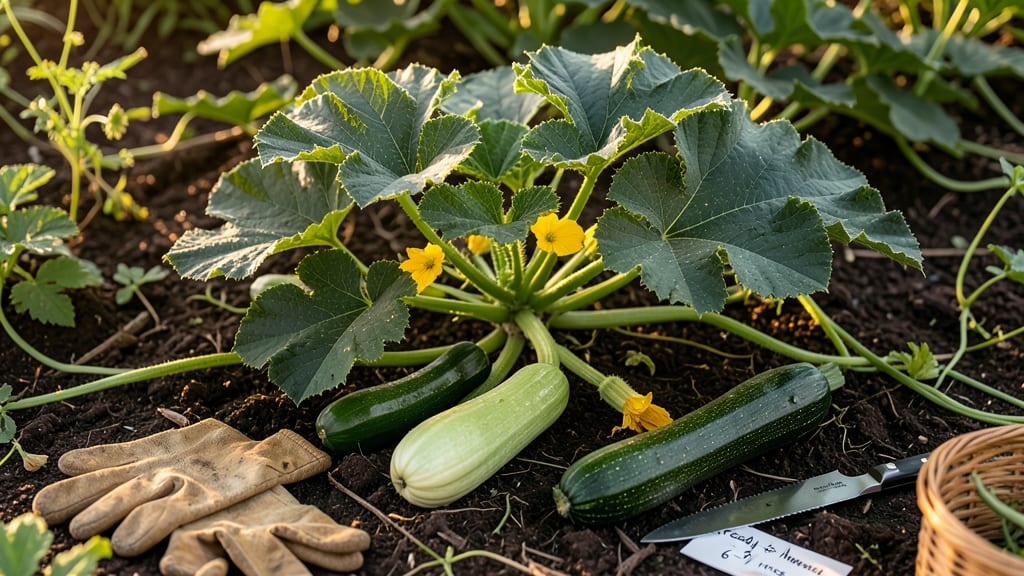
Harvesting zucchini at the right time ensures tender, flavorful squash 🎃—wait too long, and you’ll end up with tough, seedy giants that barely resemble the veggie you planted.
Picture this: You walk out to your garden, expecting a perfect zucchini, only to find a foot-long monster that’s more suitable for carving than cooking. That’s why timing matters—it’s not just about size, but also skin texture, color, and even the stem’s firmness.
In this guide, I’ll walk you through three tactile tests to determine when your zucchini are ready to pick, plus how often you should harvest to keep your plants producing like crazy. No more guesswork, just foolproof tips for a bountiful harvest.
Whether you’re a first-time gardener or a seasoned pro, these tricks will help you avoid the common mistakes of harvesting too early or too late. Let’s get started!
3 Tactile tests to determine zucchini harvest readiness
Harvesting zucchini at the right moment transforms your garden bounty from tender delicacies to inedible monsters. The key? Trusting your hands and eyes to spot three critical tactile cues that signal peak ripeness.
These simple tests—skin firmness, size comparison, and stem flexibility—will help you avoid both underripe and overgrown produce.
Zucchini grow rapidly, often doubling in size overnight. Waiting too long turns them woody and seedy, while harvesting too early means bland flavor and wasted effort.
Mastering these physical checks ensures you always pick zucchini at their flavorful prime, whether you're making bread, zucchini fritters, or simply enjoying them fresh.
For the skin texture test, focus on the side of the zucchini, not the blossom end. The skin should feel smooth and slightly firm, like a ripe avocado.
If it feels spongy or leathery, it's past its best. Pro tip: Run your fingers along the length—bumpy skin indicates overgrowth.
When comparing size, remember that dwarf varieties like 'Eight Ball' mature faster than standard types. Always measure from the blossom end (the yellow tip) to the stem end. A zucchini reaching 10+ inches becomes tough and seedy, with a hollow core that's inedible.
The stem twist test is my favorite because it combines simplicity with accuracy. A ready zucchini should separate from the vine with a clean break and no resistance. If the stem pulls away without snapping, the zucchini needs more time. Overripe stems often crumble when twisted.
Timing matters too—morning harvests work best because zucchini lose moisture during the day. Use a sharp knife or pruners to avoid damaging the plant. Always leave a small stem attached to prevent rot, but don't worry about a neat cut—zucchini heal quickly.
If you're unsure, harvest smaller. Zucchini continue ripening slightly after picking, so 6-inch specimens will improve in flavor overnight. But never wait until they're larger than a baseball bat—those are zucchini trees, not vegetables! Regular harvesting also encourages more production.
For container gardeners, tactile tests work the same, but watch for faster growth in warm climates. Potted zucchini often mature 2-3 days earlier than in-ground plants. Keep your ruler handy and check stems daily during peak season.
Pro move: Label your plants with harvest dates. This helps track growth patterns and adjust future planting times. Over three seasons, I've learned that my local microclimate produces ready-to-harvest zucchini 5-7 days earlier than seed packets suggest.
Master these three tactile tests, and you'll never again face the zucchini dilemma—whether to eat it now or wait. Your taste buds (and your garden's productivity) will thank you! 🌱
Zucchini size guide: ideal harvest length vs. overgrowth risks
Zucchini grow fast, and their size is your best indicator of harvest readiness. Aim for 4–6 inches in length—this is the sweet spot for tender, flavorful squash. Waiting too long turns them into seedy monsters that become tough and less palatable.
Think of it like catching a fish at the perfect moment: too early, and it’s undercooked; too late, and it’s overgrown.
Most gardeners make the mistake of checking size last. Instead, combine length with skin texture and stem firmness for accuracy. A zucchini that’s 6 inches long but still soft?
Not ready yet. A 4-inch one with a hard, glossy skin? Perfect timing. This guide breaks down the exact measurements and visual cues to avoid overgrowth.
| Stage | Size (Length) | Skin Texture | Stem Condition | Action |
|---|---|---|---|---|
| Too Early | Under 4 inches | Soft, pale, dull | Green, doesn’t snap | Wait 2–3 days |
| Ideal Harvest | 4–6 inches | Hard, glossy, slight give | Yellow blossom end, snaps cleanly | Harvest immediately |
| Overgrown | 6+ inches | Thick, tough, seedy | Stem hard, no snap | Use for baking or discard |
📏 Pro Tip: Measure from blossom end to tip for accuracy.
Harvesting at the 4–6 inch stage ensures your zucchini stay tender and sweet. Overgrown zucchini (beyond 6 inches) develop large seeds and fibrous flesh, making them less enjoyable to eat.
Think of it like pruning a bush: if you let it grow unchecked, you’ll end up with a wild, unmanageable mess instead of a productive harvest.
Here’s a quick trick: use your hand as a guide. A perfect zucchini should fit snugly in your palm—about the size of a small banana.
If it’s longer than your handspan, it’s time to harvest before it gets away from you. This simple measurement trick works every time and eliminates guesswork.
To keep your zucchini plants producing, harvest every 2–3 days. This frequency signals the plant to produce more fruit, preventing overgrowth and ensuring a steady supply. Skipping harvests leads to giant zucchini and stressed plants. Imagine your garden as a well-oiled machine: regular maintenance keeps everything running smoothly.
If you miss the ideal window and end up with overgrown zucchini, don’t toss them! Use them for bread, muffins, or soups where texture doesn’t matter as much.
Just peel the skin and remove the seeds before cooking. It’s a great way to reduce food waste and still enjoy your harvest.