
Vegetables
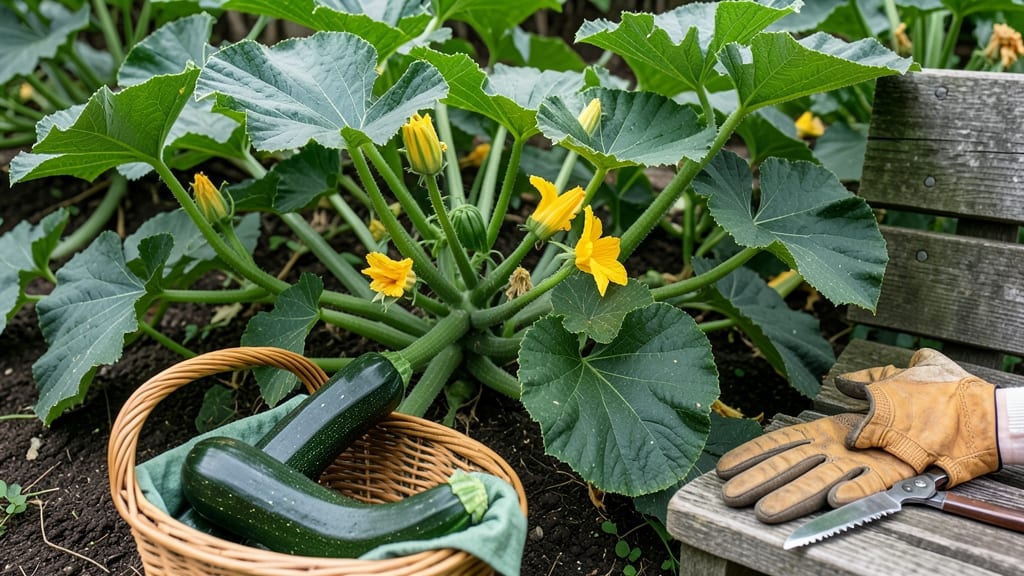
Harvesting zucchini at the right time turns a mediocre summer crop into a flavor explosion 🍆—and missing the window by even a few days can mean tough, seedy, or oversized squash.
I’ve watched perfectly good zucchini go from tender to woody in my own garden, all because I didn’t know the 3 tactile tests that reveal when they’re truly ready. These simple checks—skin firmness, stem snap, and seed development—let you pick them at peak sweetness before they outgrow their potential.
Whether you’re growing ‘Eight Ball’ zucchini or the classic ‘Black Beauty’, the ideal harvest size and texture depend on your variety and climate.
In USDA Zone 6, where I garden, July through September is prime time—but the real magic happens in how you test them, not just when you look.
Below, I’ll walk you through the exact methods I use to harvest zucchini at their sweetest, plus what to do if you miss the boat (spoiler: even overripe ones have uses!). By the end, you’ll never second-guess whether that squash is ready—or how to keep your plants producing all season.
3 Tactile tests to determine zucchini harvest time
Harvesting zucchini at the right moment ensures tender, flavorful squash instead of tough, seedy giants. The key lies in your hands—three simple tactile tests reveal when your zucchini are ready to pick.
I’ve used these same methods for years, and they’ve transformed my harvest from disappointing to downright delicious. The secret? Paying attention to subtle cues most gardeners overlook.
First, let’s address the most common mistake: waiting until zucchini reach monster proportions. By then, the flesh turns fibrous, the seeds grow large, and the flavor fades. Instead, focus on these three hands-on checks that guarantee peak harvest time.
These tests work for all varieties, from ‘Eight Ball’ to ‘Black Beauty’, and they’re foolproof even for beginners.
Press your thumb gently on the zucchini’s skin. Ready zucchini should yield slightly under pressure—like pressing a ripe avocado. If it feels rock-hard, wait a few days. Overripe zucchini will dent deeply and feel mushy.
Grasp the stem near the base and give it a gentle twist. If it snaps cleanly with minimal resistance, your zucchini is perfect. A stem that bends without breaking means it’s underripe, while a stem that resists is a sign of overripeness.
Slice the zucchini open lengthwise. At peak harvest, seeds should be tiny and pale—just visible as tiny specks. If you see larger, yellow seeds, the zucchini has passed its prime. For seed-saving purposes, wait until seeds turn brown and hard.
Pro tip: Combine these tests for accuracy. For example, a zucchini might feel slightly soft but still have hard seeds—this means it’s overripe. Conversely, a firm zucchini with tiny seeds is ready to harvest.
I always check all three cues to avoid mistakes, especially when dealing with fast-growing varieties like ‘Gold Rush’.
Timing matters too. Morning is the best time to harvest because zucchini firm up slightly overnight. Avoid harvesting after heavy rain, as the skin can become slippery and harder to grip.
Use a sharp knife or pruners to cut the zucchini from the vine, leaving a small stem attached to encourage more production.
One more critical detail: harvest frequency directly impacts your yield. Zucchini plants produce continuously, so check them every 2-3 days during peak season. Neglecting this leads to a sudden explosion of oversized squash.
I set a reminder on my phone—it’s saved me from zucchini overload more times than I can count!
Don’t forget about variety-specific nuances. Compact varieties like ‘Patio Star’ reach harvest size faster (around 4-6 inches) than standard types. Always match your tests to the expected maturity listed on your seed packet. For example, ‘Black Beauty’ typically needs 50-55 days to reach ideal harvest size.
Finally, trust your instincts. If a zucchini feels “just right” but doesn’t perfectly match all three tests, go ahead and harvest it. Gardeners often develop a sixth sense for readiness after a few seasons.
The more you practice these tactile tests, the more intuitive the process becomes—leading to a bountiful, flavorful harvest every time.
Ready to put these tests into action? Grab your gloves and head to the garden—your perfect zucchini is waiting to be picked! 🌱
Zucchini size matters: ideal harvest dimensions by variety
Not all zucchini varieties reach their peak flavor at the same size. The ‘Eight Ball’ zucchini, for example, shines when harvested at just 4-6 inches—smaller than its ‘Black Beauty’ cousin, which thrives at 6-8 inches. These differences aren’t just about preference; they directly impact texture and sweetness.
Smaller varieties like ‘Eight Ball’ stay tender longer, while larger ones like ‘Black Beauty’ develop a firmer bite that works better for grilling or baking.
Harvesting at the wrong size can turn your zucchini into a tough, seedy mess. I’ve learned this the hard way—once, I let a ‘Black Beauty’ grow to 12 inches before cutting it, and the flavor was bitter with oversized seeds.
The key is to check variety-specific guidelines while also testing for readiness with your fingers. This dual approach ensures you catch them at the sweet spot between tenderness and overgrowth.
| Variety | Ideal Harvest Size | Flavor Profile | Seed Saving Time |
|---|---|---|---|
| ‘Eight Ball’ | 4-6 inches | Sweet, tender, delicate | 10-12 inches (overripe) |
| ‘Black Beauty’ | 6-8 inches | Mild, firm, versatile | 12-14 inches |
| ‘Golden Zucchini’ | 5-7 inches | Sweet, nutty, vibrant | 9-11 inches |
| ‘Patio Star’ | 3-5 inches | Extra tender, small | 7-9 inches |
For seed saving, you’ll need to let zucchini grow much larger than their ideal harvest size. Most varieties develop viable seeds when they reach 10-14 inches, depending on the type. I wait until the skin turns slightly tough and the seeds inside are plump and dark-colored.
This usually happens in late summer or early fall, just before the first frost. If you’re saving seeds, avoid harvesting these overgrown zucchini for eating—they’ll be bitter and fibrous.
If you’re growing heirloom varieties, like ‘Cocozelle’ or ‘Straight Eight,’ pay extra attention to size guidelines. These often have unique shapes and flavors that peak at specific dimensions. For instance, ‘Cocozelle’ zucchini should be harvested at 8-10 inches for the best balance of tenderness and flavor.
Always check the seed packet or a trusted gardening resource for variety-specific advice, as conditions like humidity and sunlight can slightly alter ideal harvest times.
Pro tip: Use a measuring tape or ruler to track growth if you’re new to zucchini gardening. I keep one handy in my garden toolkit and mark the ideal harvest size with a waterproof marker on the squash itself.
This visual cue helps me avoid overharvesting or letting them get too large. Consistency in checking both size and texture will keep your zucchini at their best all season long.
Remember, the earlier you harvest, the more your plant will produce. Zucchini vines are prolific, and removing ripe fruit encourages more blooms. By mastering the art of size-based harvesting, you’ll enjoy a steady supply of fresh, flavorful zucchini from midsummer until frost.