
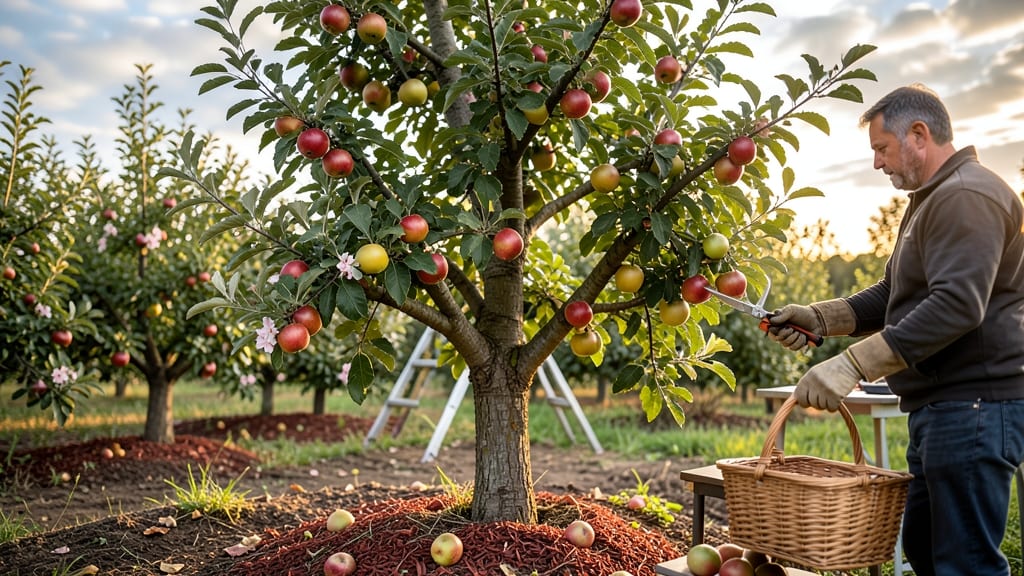
Apple Harvest Dates: Exact Week-by-Week Guide by Variety and Climate Zone

Picking

Apple Harvest Dates: Exact Week-by-Week Guide by Variety and Climate Zone

Knowing the exact apple harvest dates for your 🍎 varieties is the difference between juicy, flavor-packed fruit and bland, mealy disappointment.

Picture this: you’ve waited all season for your apple tree to bear fruit, only to pick them too early—or too late—and end up with apples that either fall apart or taste like cardboard. The right timing isn’t just about the calendar; it’s about variety, weather, and even your climate zone.

In this guide, I’ll break down the week-by-week harvest windows for popular varieties like Honeycrisp, Fuji, and Granny Smith, so you never miss the sweet spot. You’ll also learn how to adjust for your local conditions and spot the perfect moment to harvest—before they’re overripe or underripe.

Whether you’re planning for fresh eating, baking, or long-term storage, these tips will help you maximize flavor and shelf life. Let’s get started!

❌ Not Ready
🔵 Fruit is still changing color
💥 Skin feels soft or bruises easily
🖐️ Stem does not snap cleanly (pulls instead)
✓ Pick Now!
🟠 Skin is fully colored and glossy
🍏 Fruit feels crisp and firm
✂️ Stem snaps cleanly with a slight twist

Apple harvest dates by variety: exact weeks to pick for sweetness and storage

Knowing the exact harvest window for your apple varieties is the key to unlocking peak flavor and storage potential. Early-season apples like McIntosh can be ready as soon as late August, while late-season Fuji apples may hold on until October.

Each variety has unique color cues, firmness, and storage life—and missing the window means sacrificing sweetness or risking spoilage before you can enjoy them.

Harvest timing also depends on your climate zone. In cooler zones (5–6), apples may ripen 2–3 weeks earlier than in warmer zones (8–9). I’ll break down the ideal harvest weeks for 20+ popular varieties, including when to expect full color, crisp texture, and the perfect stem-snap test.

Whether you’re growing Granny Smith for salads or Honeycrisp for baking, this guide ensures you pick at peak perfection.

🍎

Variety Harvest Window (Zone 5–9) Color & Firmness Cues Storage Life
Early Season Late August–Early September Full red/yellow; firm but yields slightly 2–4 weeks (eat fresh)
McIntosh Late August (Zone 5) / Early Sept (Zone 9) Striped red; softens quickly 1–2 weeks
Zestar! Early–Mid September Bright red; crisp and juicy 3–4 weeks
Mid Season Mid–Late September Varies; firm with glossy skin 4–8 weeks
Gala Mid–Late Sept (Zone 5) / Oct (Zone 9) Striped orange-red; crisp 6–8 weeks
Honeycrisp Late Sept–Early Oct Golden-red; snaps with slight twist 8–10 weeks
Jonagold Late Sept–Oct Red-yellow; firm and aromatic 6–8 weeks
Late Season October–November Deep color; very firm 3–6 months
Granny Smith Late Oct–Nov (Zone 5) / Nov (Zone 9) Bright green; tart and crisp 4–

How climate Zone and weather affect your apple harvest timeline

Your apple harvest dates aren’t set in stone—they shift dramatically based on your USDA hardiness zone and local weather patterns. In Zone 4, for example, early varieties like McIntosh might ripen by late August, while in Zone 8, they could wait until mid-October.

These differences matter because apples left too long on the tree lose sweetness, while picking too early means tough, underripe fruit. Understanding these variations helps you plan for peak flavor and storage success.

Weather plays an equally critical role. A heatwave in September can accelerate ripening by 2–3 weeks, while unseasonably cold nights may delay harvests. Even rainfall patterns affect timing—wet conditions can soften apples prematurely, making them prone to rot.

By monitoring your local forecast and adjusting expectations, you’ll avoid common pitfalls like overripe apples or frost damage before the harvest.

Climate Zone Typical Harvest Window Key Risks Adjustment Tips
Zone 3–4 Late August–Early October Early frost, slow ripening Harvest early varieties first; watch for first frost dates.
Zone 5–6 Early September–Mid-October Heat stress, uneven ripening Prioritize shade-climbing varieties like Honeycrisp.
Zone 7–8 Mid-September–Late November Prolonged heat, fungal growth Harvest late varieties before October rains.
Zone 9–10 Late August–December Overripe fruit, pest pressure Use twist-and-sniff test daily for readiness.

To determine if your apples are truly ready, use the twist-and-sniff test: Gently twist the fruit—if it snaps cleanly from the stem and releases a sweet, fragrant aroma, it’s harvest-ready.

In cooler zones (Zone 4–6), this test is especially critical because apples may appear ripe but still lack sweetness. For warmer zones (Zone 7–10), combine the test with color changes—apples like Fuji should turn deep red, while Gala develops a golden hue.

Watch for weather warnings that can derail your harvest. A 3-day heatwave above 90°F can cause apples to split or soften, while unexpected cold snaps (below 32°F) may trigger frost damage overnight.

In these cases, harvest 2–3 days early and store apples in a cool, dark space (50–55°F) to slow ripening. Pro tip: Cover trees with frost cloth if frost is forecasted within 10 days of expected harvest.

Finally, document your local harvest timeline year after year. Note when specific varieties ripen in your zone and adjust future harvests accordingly. For example, if Granny Smith apples consistently ripen 2 weeks earlier than expected in your area, plan to pick them by mid-September instead of October.

This proactive approach ensures you never miss peak ripeness again.

With these adjustments, you’ll harvest apples at their sweetest, crispest—just in time for baking, storing, or enjoying fresh. Happy harvesting! 🍏🌡️

★★★★★4.7(7 reviews)
Categories Picking