
Picking
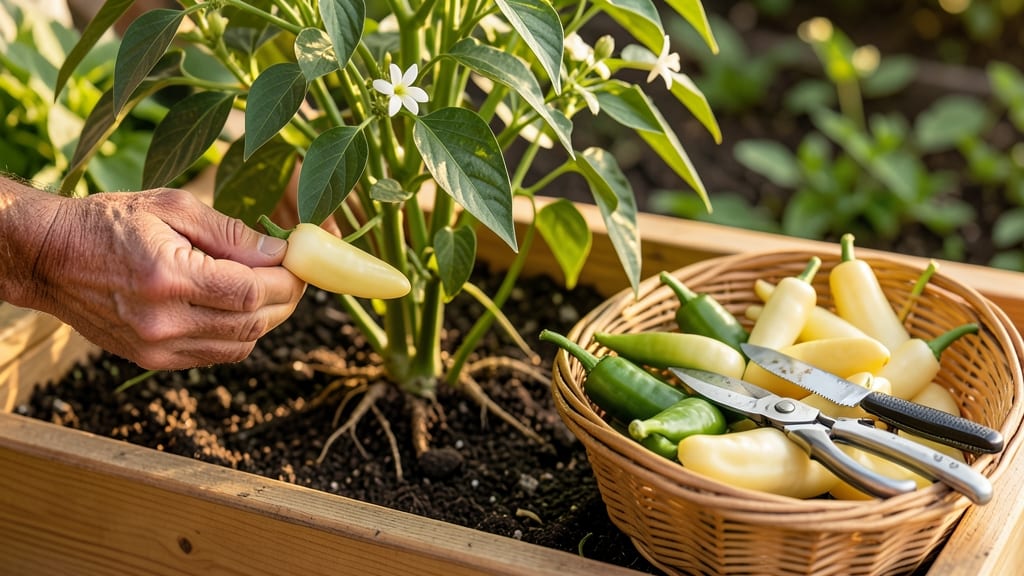
Harvesting banana peppers at the right time 🌶️ means the difference between sweet, crisp pods and bitter, shriveled leftovers—most varieties are ready between 60 and 75 days after planting.
Imagine plucking a pepper that’s firm, glossy, and a deep, vibrant green—only to realize it’s already past its prime because you waited too long. The exact days depend on your variety, but missing the window means sacrificing flavor and yield.
In this guide, I’ll break down the precise harvest windows for popular types like ‘Golden Banana’ and ‘Red Banana,’ plus the visual and tactile cues to pick them at peak sweetness. You’ll also learn how to extend your harvest season with simple pruning and care tips.
Whether you’re a first-time grower or a seasoned gardener, these tricks will help you maximize your crop from July through October—without a single pepper going to waste.


Banana pepper harvest time by variety: days to maturity guide
Timing your banana pepper harvest is everything—picking too early means bland peppers, while waiting too long turns them rubbery or bitter. Each variety has its own days to maturity, and knowing these exact windows ensures you get the sweetest, crispest peppers possible.
Whether you're growing Golden Banana or Red Banana varieties, precision matters.
Most banana peppers reach harvest readiness between 55 and 75 days after transplanting, but the exact timing depends on the variety and growing conditions. Sunlight exposure, soil temperature, and even watering consistency can shift your harvest window by a week or more.
For home gardeners, tracking these details means fewer wasted peppers and more flavor-packed harvests.
The Golden Banana variety is the fastest to mature, typically ready in just 55-60 days, making it ideal for short growing seasons or container gardens. Its mild, sweet flavor makes it perfect for pickling or snacking fresh.
If you're aiming for a longer harvest season, the Red Banana variety takes slightly longer—65-70 days—but rewards you with a spicier-sweet kick that’s fantastic for salsas or sauces.
For gardeners in USDA Zone 6a or cooler, prioritize early-maturing varieties like Yellow Wax or Lemon Drop to avoid frost-related losses. These peppers thrive in warmer soil temperatures (above 60°F) and benefit from black plastic mulch to speed up maturity.
Always plant seeds indoors 8-10 weeks before your last frost date to give them a head start.
Harvesting at the right time isn’t just about days—it’s also about visual and tactile cues. A ripe banana pepper should be firm to the touch, glossy, and fully colored (deep green for Golden Banana, vibrant yellow for Yellow Wax, or rich red for Red Banana).
If the pepper feels soft or the skin wrinkles, it’s past its prime and may develop a bitter taste.
Pro tip: Use a sharp pair of pruning shears to snip peppers at the stem—this prevents damage to the plant and encourages more production. Avoid pulling peppers by hand, as this can rip the plant’s tissue and invite disease.
For continuous harvests, pick peppers every 2-3 days once they reach maturity, as overripe peppers can stunt new growth.
If your growing season is shorter than expected, consider extending the harvest with row covers or a small greenhouse. Some varieties, like Banana Apple, tolerate cooler temperatures better and can keep producing into early fall.
Just be sure to harvest before the first frost, as even a light freeze will ruin the peppers’ texture and flavor.
Once harvested, store banana peppers in the fridge for up to 2 weeks or ferment them for pickling within 3-5 days for the best results. For long-term storage, blanch and freeze peppers to preserve their crispness and sweetness for up to
How to tell when banana peppers are ready to harvest (visual & tactile cues)
Harvesting banana peppers at the perfect moment transforms their flavor from bland to sweetly tangy. Unlike their spicier cousins, these peppers pack a mild kick when picked at the right size and color.
The key lies in combining visual cues with a simple firmness test—overlooking either can mean missing peak harvest time entirely.
Most banana pepper varieties reach maturity between 60–90 days after transplanting, but don’t rely solely on days passed. Instead, focus on three non-negotiable signs: length, color consistency, and skin texture. Skipping these checks often leads to peppers that are either underripe (mealy inside) or overripe (leathery and bitter).
Peppers left too long on the plant turn yellowish-green and develop a wrinkled skin. Their flesh becomes dry and fibrous, with seeds that lose potency. Once this happens, flavor is compromised—harvest before color shifts to maintain sweetness.
Start by measuring your peppers against a 3–4 inch benchmark. Use a ruler or compare to a standard banana (hence the name!). At this size, most varieties—like Golden Banana or Yellow Wax—are ready, but always cross-check with color.
A deep, uniform green indicates ripeness, while pale or splotchy peppers need more time.
Next, perform the gentle squeeze test: press a pepper lightly between your thumb and forefinger. Ready peppers should feel firm yet slightly yielding, like a ripe avocado.
If it feels mushy, it’s past its prime; if it’s rock-hard, it’s not ripe enough. This tactile check is your best defense against underripe or overripe mistakes.
Pro tip: Harvest in the morning after dew dries when peppers are cool and crisp. Use clean pruning shears or scissors to snip stems, leaving a ¼-inch stub to prevent disease.
Avoid tugging, which can damage the plant. For extended harvests, pinch off early blooms to delay fruiting—this tricks the plant into producing more peppers over time.
Store freshly picked banana peppers in the fridge for up to 2 weeks, or preserve them by pickling or drying. If you miss the window, don’t despair—immature peppers can still be used (they’re milder), but they’ll lack the full sweetness of a perfectly timed harvest.
Keep an eye on your plants, and you’ll enjoy a steady supply of flavor-packed peppers all season long. 🌱