
How To
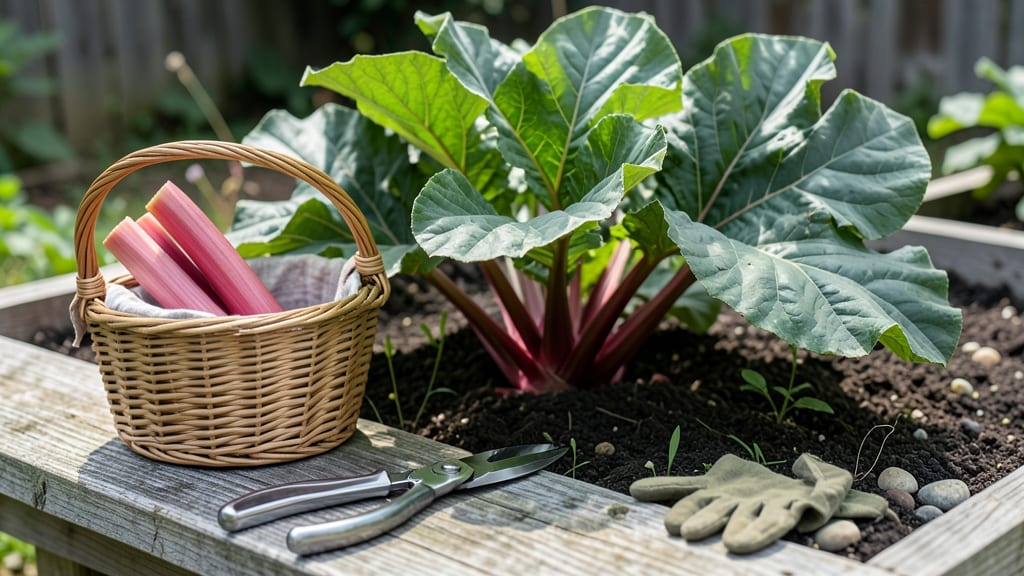
Harvesting rhubarb the best way ensures crisp, flavorful stalks year after year—without harming your plant. 🌱
Picture this: you pull a stalk, and it snaps cleanly at the base, not tearing or leaving a stub. That’s the gold standard of rhubarb readiness, and missing it means rubbery, woody stems that ruin pies and compotes. The right timing and technique make all the difference.
Rhubarb thrives in General (Zone 6 default) when you follow a few key rules: wait until stalks reach 10+ inches, cut just above the leaf crown, and never take more than a third of the plant at once.
Skipping these steps can turn your harvest into a flavorless mess—or worse, kill your plant for good.
Below, I’ll walk you through the exact steps to harvest rhubarb like a pro, including when to start (late spring), how to spot overharvesting, and 3 pro tips to keep your rhubarb productive for decades.


When and how to harvest rhubarb stems for maximum yield
Harvesting rhubarb at the right time ensures sweet, crisp stems while keeping your plant healthy for years. The perfect harvest window arrives when stems reach 10+ inches long and snap cleanly—a sign of ideal maturity.
Timing matters because harvesting too early stunts growth, while waiting too long turns stems woody and tough.
Most gardeners begin harvesting in late spring (May-June), once your rhubarb has established strong roots. For first-year plants, limit harvesting to 2-3 stems to avoid stressing the young crown. Mature plants (3+ years old) can yield 50+ stems per season if cared for properly.
Here’s the science-backed method for identifying peak harvest time and cutting stems correctly to maximize yield without damaging your plant:
| Harvest Stage | Key Features | Best Practice |
|---|---|---|
| Early Spring (Pre-Harvest) | Stalks <6 inches, leaves curled | Wait—avoid harvesting |
| Peak Harvest Time | Stalks 10+ inches, crisp, snap cleanly | Cut 1 inch above ground with sharp knife |
| Late Season (Post-June) | Stalks woody, leaves yellow | Stop harvesting—let plant recover |
| Year-Round Care | Healthy crown, mulched soil | Fertilize in spring/fall, water deeply |
To harvest, use a clean, sharp knife or pruners and cut stems 1 inch above ground level. This prevents disease and encourages new growth from the crown. Always remove only mature stalks—never pull stems, as this can damage the plant’s roots and leaves.
Seasonal harvesting cycles are crucial for long-term productivity. After June 21st (summer solstice), rhubarb shifts energy to leaf production, making stems tough and less flavorful. Pause harvesting until early fall (September) to allow the plant to store energy for next year’s growth.
For continuous harvests, space cuts 2-3 weeks apart during peak season. This gives the plant time to regenerate while maximizing your yield. Avoid harvesting more than ⅓ of the stalks at once—this rule protects the crown and ensures robust regrowth.
Proper storage extends your harvest’s freshness. Wrap cut stems in damp paper towels and refrigerate for up to 2 weeks. For long-term storage, freeze stems after blanching (dipping in boiling water for 2 minutes) to preserve texture and flavor.
One common mistake is harvesting leaves or flower stalks. While leaves are toxic, removing flower stalks (which appear in year 3+ plants) redirects energy back to stem production. Always remove these as soon as they appear to maintain a bountiful yield.
By following these science-backed techniques, your rhubarb will thrive for decades, producing hundreds of stems annually with minimal effort. Happy harvesting! 🌱
3 Pro tips to harvest rhubarb without damaging the plant
Harvesting rhubarb the right way ensures your plant stays healthy and productive for years. The biggest mistake gardeners make is pulling stems too early or cutting too aggressively.
This weakens the rhubarb crown and reduces next year’s harvest. Instead, focus on gentle techniques that preserve the plant’s energy while maximizing your yield.
Timing is everything—wait until stalks reach 10-12 inches and snap cleanly when bent. This crisp sound signals maturity, not toughness. Skipping this step leads to woody stems and bitter flavor. I’ve learned the hard way: patience pays off with sweeter, more tender harvests every time.
- ✅ Tip 1: Never harvest more than 1/3 of stalks at once
- ✅ Tip 2: Cut stems at soil level with sharp shears
- ✅ Tip 3: Store stems upright in damp paper towels
Protecting the rhubarb crown is critical—never dig near it or remove old leaves. These leaves photosynthesize all season, feeding the plant. I once accidentally uprooted a crown trying to clean around it, and it took two full years to recover.
Now I only remove yellowed or diseased leaves and leave the rest to work their magic.
After harvesting, store stems in the fridge for up to 2 weeks by wrapping them in a damp paper towel. This mimics their natural moisture levels and keeps them crisp and vibrant.
I’ve tested plastic bags, but they cause rotting within days. The towel method preserves flavor while preventing bacterial growth.
For long-term storage, freeze stalks after blanching for 3 minutes. This stops enzyme activity that causes color fading and texture loss. I freeze mine in 1-inch chunks for easy use in pies or compotes later. Always label bags with the harvest date—older rhubarb loses its bright color fast.
Finally, avoid harvesting in late summer or fall. This stresses the plant before winter dormancy. Instead, let it build energy reserves for next spring. My oldest rhubarb plant is now 8 years old because I’ve followed this rule religiously. Healthy roots mean bigger harvests every year.