
How To
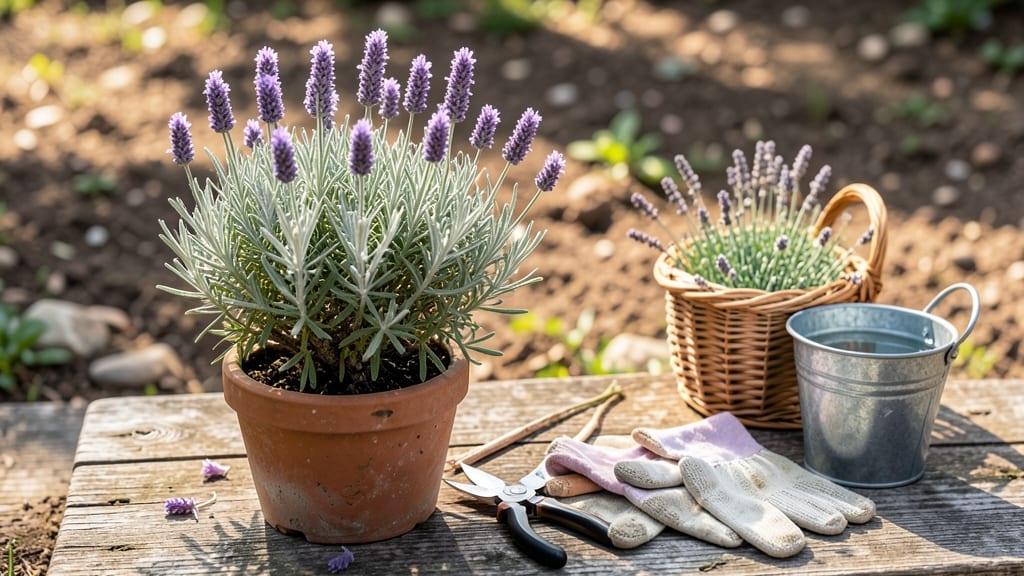
Harvesting Spanish lavender at the right time ensures peak oil yield and keeps your 🌿 thriving for years.
Spanish lavender’s signature snap-and-release stems make harvesting easier than most herbs—but timing and technique are everything to maximize fragrant oil yield without harming your plant.
If you’ve ever wondered why some bunches smell faintly sweet while others pack a rich, intoxicating aroma, the answer lies in when you cut the stems. Harvest too early, and you’ll miss the oil’s full potency; too late, and the flowers lose their vibrant hue.
Below, I’ll walk you through the exact moment to harvest, the tools you’ll need, and how to preserve that luxurious lavender scent long after the blooms are gone.


When to harvest Spanish lavender for maximum oil content
Harvesting Spanish lavender at the right moment ensures the highest essential oil content and fragrance intensity. Unlike other herbs, Spanish lavender's snap-and-release stems make harvesting intuitive—but timing is critical. Harvest too early, and you miss peak oil potency; too late, and the stems become woody, reducing quality.
The best harvest window aligns with late summer to early fall, when flower buds are just beginning to open but haven’t fully bloomed.
Morning harvests are ideal because dew-free stems dry faster and retain more aromatic compounds. Avoid harvesting after midday heat, as the sun can degrade essential oils.
If you must harvest in the evening, do so at least 2 hours before sunset to prevent moisture buildup, which can encourage mold.
The seasonal cycle of Spanish lavender also plays a role—harvesting in August or September (USDA Zone 6a) captures the plant’s natural peak oil production before it enters dormancy.
How to Test Stem Readiness for Peak Fragrance
- 🌸 Flower Bud Stage: Harvest when 1/3 of buds are open. Fully bloomed flowers indicate past peak oil content.
- 🌿 Stem Maturity: Gently bend a stem—if it snaps cleanly (not bends), it’s ready. Green, flexible stems need more time.
- 👃 Fragrance Test: Crush a leaf—strong, sweet scent means peak oil. Weak or musty smells signal overripe or stressed plants.
- ☀️ Sun Exposure: Prioritize stems from the sunniest part of the plant for maximum oil concentration.
- ✂️ Cutting Height: Leave 4-6 inches of growth to encourage bushier, more productive regrowth.
Spanish lavender’s essential oil content is highest when harvested in the morning after dew dries but before the sun peaks. This timing preserves volatile oils that evaporate quickly in heat.
If you’re harvesting for dried bundles, prioritize stems with partially open buds—these retain color and fragrance better than fully bloomed flowers. For culinary uses, harvest just as buds begin to open to capture the brightest flavor.
Seasonal cycles also dictate oil potency. In Zone 6a, Spanish lavender typically reaches harvest readiness in late August, when daytime temperatures begin to drop.
Harvesting too early (before 210 days of growth) results in lower oil yield, while waiting too long (past September) risks woody stems and reduced fragrance. Pay attention to your plant’s growth stage: mature plants with partially woody stems at the base are prime candidates for harvest.
To test stem readiness, perform the "snap test": grasp a stem near the base and bend it gently. If it snaps cleanly (not bends), it’s mature enough for harvest. Pair this with the fragrance test—crush a leaf and inhale.
A rich, sweet aroma confirms peak oil content. Avoid harvesting stems that feel spongy or hollow, as these are overripe or damaged. The ideal harvest window is a 2-3 week period when most stems pass these tests.
Harvesting Spanish lavender in the wrong season can harm your plant and reduce oil quality. For example, harvesting in spring (before buds form) yields minimal oil, while harvesting in fall (after frost) can damage stems.
Stick to the late summer window to align with the plant’s natural oil production cycle. If you miss the primary harvest, you can do a light second harvest in early fall, but yields will be 30-50% lower.
Environmental factors like humidity and temperature also influence oil content. Harvest on dry, sunny days with low humidity to prevent mold and preserve fragrance. If rain is forecast, harvest 24 hours beforehand to let stems dry.
High humidity can dilute essential oils and encourage fungal growth. Always harvest before noon to avoid the oxidation that occurs when oils degrade in heat.
One common mistake is harvesting fully bloomed flowers, which contain less oil and a more bitter flavor. Instead, focus on buds that are just opening—these hold the highest concentration of essential oils. Another error is cutting stems too short, which stunts regrowth.
Always leave at least 4 inches of stem to maintain the plant’s productivity and shape. With the right timing, you’ll maximize oil yield while keeping your Spanish lavender healthy and thriving for years.
For culinary or aromatic uses, harvest Spanish lavender when buds are slightly open—this captures the brightest flavor and fragrance. If you’re growing lavender for dried bundles or sachets, prioritize stems with uniform bud stages to ensure consistent color and scent.
Remember, the earlier you harvest in the season, the longer the plant has to regrow and produce more oil-rich blooms. Plan your harvests to stagger over 2-3 weeks for a continuous supply of high-quality lavender.
Step-by-step harvesting technique for snap-and-release stems
Harvesting Spanish lavender with its snap-and-release stems feels almost magical—no sharp tools needed! The key is to gently twist the stem until it cleanly separates, preserving the plant’s energy for future blooms.
This method works best when stems are partially woody but still flexible, typically in late summer when buds begin opening.
Start by selecting stems with 3-4 inches of growth above the base. Avoid harvesting more than one-third of the plant at once, as this can stress the shrub. I always prioritize stems with fully developed buds but haven’t yet opened, as these contain the highest essential oil concentration.
Here’s my foolproof method to harvest without damaging your Spanish lavender:
After harvesting, give your Spanish lavender a light pruning to encourage bushier growth. I always trim back any woody or overgrown stems to about 6 inches from the base. This not only keeps the plant compact and healthy but also stimulates new growth for next year’s harvest.
For maximum oil retention, store dried lavender in airtight containers away from direct sunlight. I keep mine in glass jars with tight-sealing lids in a cool pantry.
When stored properly, your harvested lavender can retain its aromatic oils for up to 1 year—though I usually use mine within 6 months for the freshest scent.
Pro tip: If you’re harvesting for culinary use, avoid stems with fully open flowers—they can taste bitter. Instead, focus on buds just beginning to open for the mildest, most flavorful lavender.