
Picking
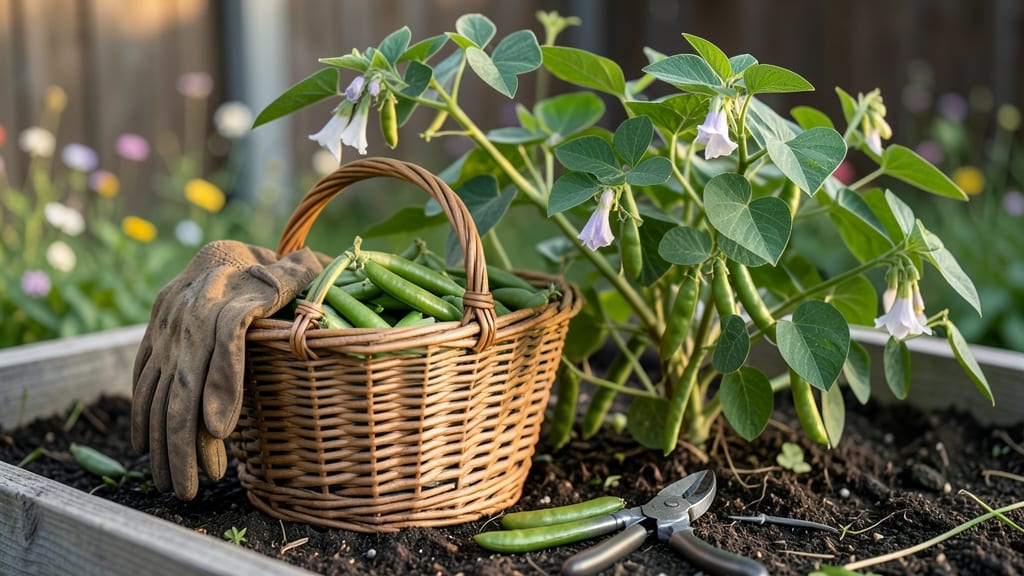
Harvesting bush beans at the right time turns your garden into a crisp, flavorful harvest 🌱—and missing that window means tough, stringy pods that ruin even the best recipes.
Most gardeners wait until the pods are fully grown, but the true secret lies in the snap test: a firm pod that breaks cleanly when bent is ready to pick. Ignore this cue, and you risk overripe beans that turn woody or attract pests.
In zones like 6a, your July-August harvest window is short, so I’ll show you how to spot the ideal size, color, and texture—plus how often to pick for a steady supply all season.
From salads to canning, you’ll learn how to maximize your yield and keep those pods fresh for weeks after harvest.

How to identify the perfect bush bean harvest time
Timing your bush bean harvest correctly is the secret to enjoying those crisp, sweet pods instead of tough, fibrous ones. Most varieties like Blue Lake or Kentucky Wonder reach peak flavor between 55 and 70 days after planting, but visual cues matter more than days alone.
I’ve learned that ignoring these signs leads to wasted harvests—so let’s focus on what your plants are telling you.
First, check the pod size—this is your most reliable indicator. When pods reach 4 to 6 inches long, they’re typically ready. Anything shorter is still developing, while longer pods start turning woody.
I always measure a few pods to confirm consistency across the plant, as some varieties mature faster than others.
Next, observe the pod color. Mature bush beans should be a vibrant, glossy green. Dull or yellowing pods mean they’ve overripe, and the beans inside will be tough.
I’ve seen gardeners overlook this and end up with beans that snap back when you try to cook them—definitely not the crisp texture you want!
The 'snap test' is my favorite trick for confirming readiness. Gently bend a pod—if it snaps cleanly with a slight resistance, it’s perfect for picking. A pod that bends without snapping is underripe, while one that feels stiff or cracks easily is past its prime.
This tactile cue saves me from harvesting too early or too late.
| Harvest Cue | Description | Action |
|---|---|---|
| Pod Size | 4–6 inches long | Harvest immediately |
| Pod Color | Bright, glossy green | Pick for best flavor |
| Snap Test | Snaps cleanly when bent | Ready to harvest |
| Seed Visibility | Seeds visible but not bulging | Harvest before seeds enlarge |
| Pod Texture | Firm, not woody | Pick for tender beans |
Pay attention to the seeds inside the pods. At the perfect harvest time, seeds should be visible but not bulging. If they’re large and pressing against the pod walls, the beans have passed their prime.
I once waited too long and ended up with pods so thick I couldn’t even snap them open—definitely a lesson learned!
Harvesting in the morning is ideal because the pods are cooler and firmer. Heat during the day can cause beans to soften or even split open, especially in hot climates.
I always grab my basket first thing in the morning and work my way through the plants, picking every ripe pod I see.
One mistake I see often is harvesting too early to encourage more production. While it’s true that frequent picking can stimulate more pods, harvesting before the beans are ready reduces your yield. Stick to the 4-6 inch rule and you’ll enjoy a steady supply of tender beans all season long.
Avoid waiting until the pods turn yellow or brown, as this signals the end of the plant’s productive life. Overripe beans lose their sweetness and become tough, and the plant may stop producing new pods.
I’ve seen entire harvests ruined by ignoring these warning signs—don’t let that happen to you!
Finally, use clean, sharp pruning shears or scissors to avoid damaging the plant. Cut pods just above the stem to prevent disease from entering the plant.
I keep a small pair of shears in my gardening apron for quick, efficient harvesting, and it makes all the difference in keeping my plants healthy.
With these cues in mind, you’ll never second-guess your bush bean harvest time again. The key is to observe, test, and act quickly—your future salads will thank you! 🌱
Bush bean harvest frequency: how often to pick for maximum yield
Harvesting bush beans at the right frequency keeps your plants producing like machines 🌱. The key is consistency: pick every 2-3 days once your plants start flowering. This prevents pods from overmaturing and signals the plant to produce more.
For varieties like Blue Lake, you’ll see continuous harvests for 4-6 weeks if you stay on schedule.
Different bush bean varieties have slightly different harvest rhythms. Kentucky Wonder, for example, responds well to daily picking during peak production, while Contender beans can handle a 3-day interval without stress.
Always check for the snap test: a pod that breaks cleanly is ready, while a woody one means you waited too long.
- 1
- 2
- 3
- 4
Overripe beans aren’t just tough—they signal stress to your plants. Look for dried-out pods or blackened seeds as red flags. These indicate you’ve missed the harvest window, and the plant may stop producing.
To revive a struggling bush, trim yellow leaves and increase watering to 1 inch per week while reducing fertilizer.
Pro tip: Use a sharp pair of pruning shears to harvest—this minimizes damage to the plant and speeds up regrowth. Always pick in the morning when pods are crispest, and store harvested beans in the fridge for up to 5 days or freeze them for long-term use.
This keeps your kitchen stocked with fresh, homegrown beans all season! 💧
For a second flush of beans, try succession planting every 2 weeks after your first harvest. This extends your yield into early fall, giving you a continuous supply of fresh pods from July through September. Just remember: the more you pick, the more your bush beans will give back! ✂️