
Flowers
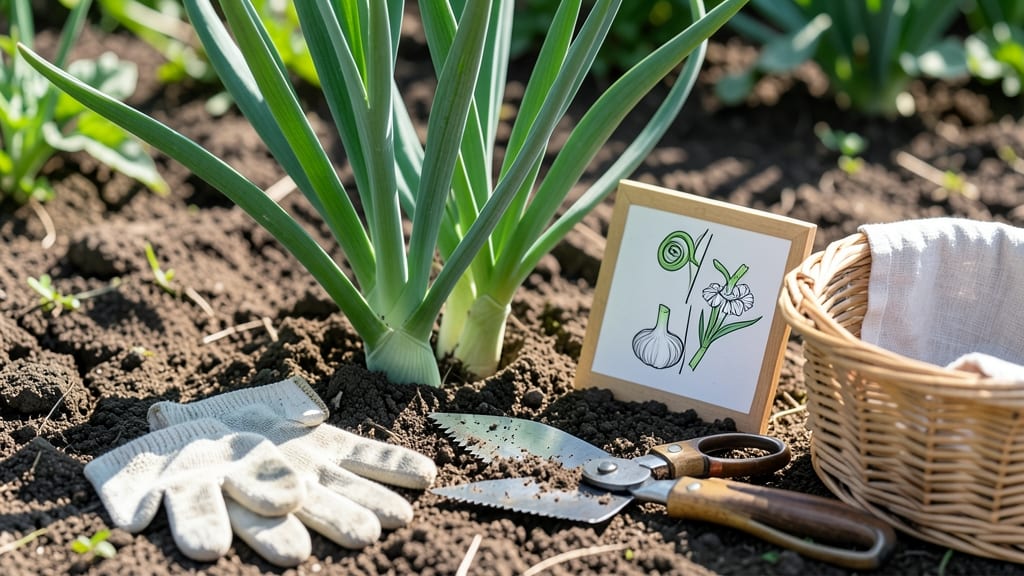
Harvesting garlic before or after it flowers determines whether you end up with small, tough cloves or plump, flavorful bulbs.
Picture this: you’ve spent months nurturing your 🧄 garlic, only to pull it too early and find underdeveloped bulbs—or wait too long and watch them split. The timing is everything, and the answer isn’t as simple as "before" or "after."
It depends on your garlic type, your climate, and even whether you’re growing hardneck or softneck varieties.
Hardneck garlic, for example, sends up a flower stalk (called a scape) in early summer, signaling the bulb is nearly done growing. Softneck, on the other hand, keeps producing until the leaves brown.
Knowing these differences can save you from a disappointing harvest—and teach you how to spot the perfect moment when the bulbs are firm, papery, and ready to pull.
In this guide, I’ll break down the exact signs to watch for, the 3 biggest mistakes gardeners make, and how to adjust for your growing zone. By the end, you’ll know precisely when to harvest for the biggest, most flavorful garlic of your life.


The science behind garlic flowering: when bulb development peaks
Garlic flowering, or bolting, is a natural biological process that signals the peak bulb development stage. When garlic plants send up a flowering scape, it means the plant is redirecting energy from leaf growth to bulb formation.
This shift is crucial because it determines whether your harvest will yield large, flavorful bulbs or small, pungent ones.
Understanding this process helps you time your harvest perfectly. Hardneck garlic varieties bolt more predictably than softneck garlic, making them easier to time for harvest. The flowering scape acts like a biological clock, telling you when the bulb is nearing its maximum size.
Ignoring this signal can lead to overripe or underdeveloped garlic.
Key signs to watch for include the emergence of the flowering scape (a curly stalk) and the browning of the lower leaves. These visual cues indicate that the bulb is maturing rapidly. Climate also plays a role—cooler regions may see earlier bolting, while warmer areas might delay it.
Here’s how flowering impacts your harvest:
| Garlic Type | Flowering Behavior | Harvest Timing | Bulb Impact |
|---|---|---|---|
| Hardneck Garlic | Bolts reliably; scape emerges | Harvest before flowering | Larger, firmer bulbs |
| Softneck Garlic | Rarely bolts; minimal scape | Harvest after leaves yellow | Smaller but storable bulbs |
| Both Types | Lower leaves brown first | Harvest when 50% leaves are brown | Optimal size and flavor |
The critical window for hardneck garlic is just 2-3 weeks before the scape fully emerges. During this time, the bulb is growing at its fastest rate. If you wait too long, the plant will divert energy to seed production, resulting in smaller bulbs.
For softneck garlic, which rarely bolts, focus on the leaf color—harvest when the lower leaves turn brown but the upper leaves stay green.
Climate affects flowering timing significantly. In cooler regions, garlic may bolt earlier in the season, while in warmer climates, bolting can be delayed until late spring.
Pay attention to your local last frost date and adjust your planting schedule accordingly to ensure the plant has enough time to mature before flowering.
Removing the flowering scape from hardneck garlic can actually boost bulb size by redirecting energy back to the bulb. This simple trick is often called the "scape trick" and is a gardener’s secret to larger harvests.
For softneck garlic, scape removal isn’t necessary since these varieties focus more on bulb development than flowering.
Monitor your garlic plants closely for leaf browning and scape emergence. These visual cues are your best indicators of when to harvest. If you miss the window, your bulbs may split or become pungent, reducing their quality.
The goal is to harvest when the bulb is fully developed but before the plant diverts too much energy to seeds.
In summary, the science of garlic flowering is all about timing. By understanding how bolting impacts bulb development and recognizing the signs of readiness, you can ensure a bountiful, high-quality harvest every year.
Whether you’re growing hardneck or softneck garlic, these principles will help you master the art of harvesting at the perfect moment. 🌱
Hardneck vs. softneck garlic: harvest timing rules by type
Knowing whether to harvest garlic before or after flowering depends entirely on whether you're growing hardneck or softneck varieties. These two types follow completely opposite harvest rules, and mixing them up could mean the difference between large, flavorful bulbs and small, pungent cloves.
Let me break down the key differences so you can time your harvest perfectly.
Hardneck garlic must be harvested before its scape (flower stalk) emerges, while softneck garlic should stay in the ground until after flowering. This distinction isn't just about timing—it's about understanding how each type develops its bulbs.
Hardneck varieties focus their energy into bulb growth early, while softnecks continue maturing after flowering. Getting this wrong could shrink your harvest by 30-50%!
Harvest Timing Rules by Garlic Type
Hardneck Garlic
- Harvest before flowering (when lower leaves brown)
- Use the scape trick - Harvest when scape is 4-6" tall
- Best for short seasons (matures in 240-270 days)
- Larger bulb size when harvested early
Softneck Garlic
- Harvest after flowering (when 50% leaves brown)
- Longer growing season (270-300+ days)
- Better for storage (longer shelf life)
- Milder flavor when fully matured
For hardneck varieties, the scape trick is your best friend. When you see that curly flower stalk (scape) emerge, harvest your garlic 4-6 weeks before the scape would have flowered. This typically happens when about 50% of the lower leaves have turned brown.
In cooler climates, this might be as early as late June, while warmer regions may wait until mid-July.
Softneck garlic follows a completely different schedule. These varieties need the full growing season to develop their signature long storage life. Wait until after flowering—usually when about 50-60% of the leaves have turned brown—but before they completely dry and fall over.
This typically occurs in late July to August, depending on your region. The key is to balance bulb maturity with leaf health.
Regional adjustments are crucial. In short growing seasons (USDA zones 4-6), hardneck garlic often matures first, so prioritize harvesting them before the heat sets in. In longer growing seasons (zones 7-10), softnecks can linger longer, sometimes until early September.
Always check your local frost dates—you want to harvest before the first frost hits, or your bulbs may rot in the ground.
One final tip: Never harvest garlic when the leaves are still fully green—this means the bulbs aren't mature yet. And avoid waiting until the leaves are completely brown and crispy, as this signals the bulbs have started to break down.
The perfect moment is that in-between stage where lower leaves are drying but upper leaves remain green and sturdy. This balance ensures you get maximum bulb size without sacrificing quality.