
Vegetables
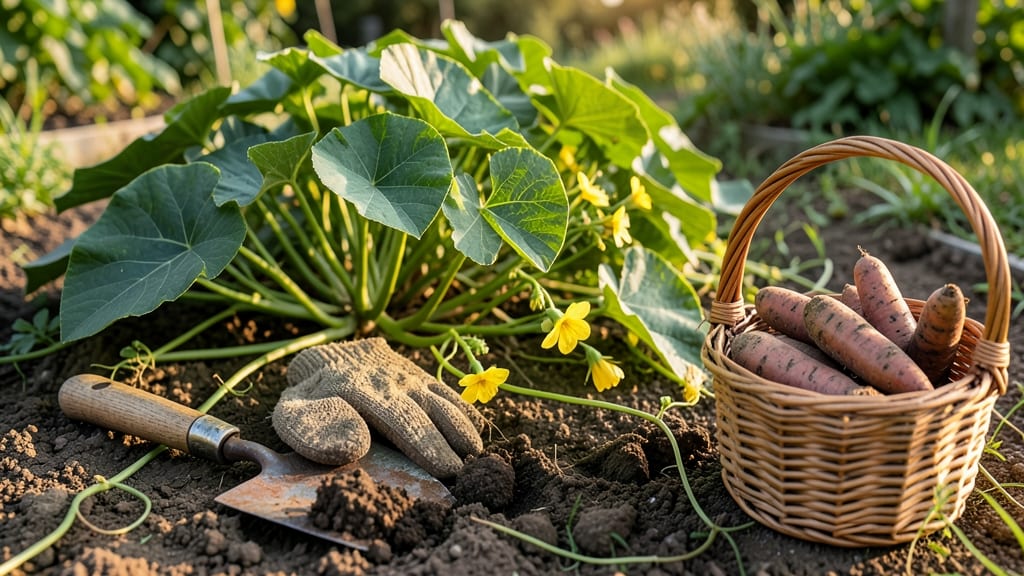
Harvesting sweet potatoes in the right month—typically between September and November—ensures tubers reach their peak flavor and storage potential.
Picture this: you’ve nurtured your 🍠 plants all season, only to dig up mealy, underdeveloped tubers because you waited too long. Or worse, you harvest too early and miss out on that sweet, starchy goodness.
The difference between success and disappointment often comes down to timing, which depends on your climate zone and variety.
In cooler regions like USDA Zone 6a, aim for early fall harvests before the first frost hits—usually around late September. Warmer climates can stretch harvesting into November, but watch for signs like yellowing foliage and firm tubers before pulling them from the ground.
Below, I’ll break down the exact harvest windows by variety, climate zone, and how to check for readiness—so you can enjoy sweet potatoes at their best, whether you’re storing them for winter or savoring them fresh from the garden.


Sweet potato harvest months by variety: when to dig for peak flavor
Timing your sweet potato harvest is everything—dig too early, and you’ll get small, underdeveloped tubers. Harvest too late, and they’ll turn woody or split. The best harvest window depends on your variety and climate zone, but most sweet potatoes reach peak flavor between 90 and 140 days after planting.
For example, the Beauregard variety (a classic orange-fleshed type) typically matures in 100–110 days, while Jewel sweet potatoes (a moist, sweet variety) take 110–130 days.
One of the biggest mistakes gardeners make is ignoring visual cues like leaf yellowing or vine dieback. These signs tell you the plant is redirecting energy to the tubers—your cue to start digging.
However, frost risk is the ultimate deadline: sweet potatoes cannot tolerate frost, so if freezing temps are forecast, harvest before the first frost, even if the tubers aren’t fully mature.
In USDA Zone 7, that might mean harvesting in late September or early October, while in Zone 10, you could wait until November.
🍠 Pro Tip: Use a garden fork instead of a shovel to avoid piercing the tubers. Gently loosen the soil around the plant, then grasp the vines and pull upward to expose the tubers. This method reduces bruising and damage, which is critical for long-term storage.
If you’re growing early-season varieties like Georgia Jet, you can start harvesting as early as early September in warmer climates. These types are perfect for short-season gardens or areas with limited growing days.
On the other hand, late-season varieties like Garnet or Bonita need more time to develop their signature sweetness, so don’t rush the harvest—wait until the vines have fully died back.
Another critical factor is soil temperature. Sweet potatoes thrive in warm soil (70–85°F), and cooler soils can slow tuber development. If your area experiences early fall temperature drops, consider using black plastic mulch to extend the growing season by 2–3 weeks.
This simple trick can push your harvest window later into October or November, especially in cooler climates.
Once you’ve harvested, curing is the next critical step. Place your sweet potatoes in a warm (80–85°F), humid (80–90%) environment for 5–10 days to develop their natural sugars. Skip this step, and you’ll end up with less flavorful, shorter-storing tubers.
A garage or sunny windowsill works well, but avoid refrigeration—cold temperatures turn sweet potatoes mealy and bland.
For gardeners in northern climates (Zones 4–6), the harvest window is tight. Aim to plant slips (young plants) as early as possible—late April or early May—to maximize growing days.
In these regions, Beauregard and Jewel are often the best choices because they mature faster than longer-season varieties. If you’re pushing the limits, consider using row covers to protect plants from early frost and extend the season.
Finally, always test a few tubers
Climate zone harvest guide: adjusting timing for northern vs. southern growers
Your USDA hardiness zone dramatically shifts when to harvest sweet potatoes. In Zone 10 (hot climates like Florida or Southern California), you can harvest as early as late August—sometimes even into early September—because the growing season never truly cools.
Meanwhile, gardeners in Zone 5 (think Minnesota or upstate New York) must rush to harvest by late September before the first frost hits.
This zone-based timing ensures sweet potatoes develop their signature sweetness and starchy texture. Harvest too early, and you’ll end up with small, underdeveloped tubers. Wait too long, and frost or overripe foliage can turn them woody or rotten.
The key is balancing days to maturity (90–140 days) with your local frost dates.
Here’s how to adjust your harvest timing based on your zone—plus pro tips for extending the growing season in cooler regions:
- 🌡️ Zones 3–5 (Cold Climates): Late September (before first frost). Use black plastic mulch to extend the season by 2–3 weeks.
- 🌿 Zones 6–7 (Temperate): Mid-to-late October. Watch for yellowing foliage—this is your cue to dig.
- ☀️ Zones 8–9 (Warm): October–early November. Soil stays warm longer, so tubers mature slower.
- 🌴 Zones 10–11 (Tropical): Late August–September. Frost is rare, but harvest before vine dieback signals overmaturity.
For gardeners in Zones 3–5, extending the growing season is critical. Try these tricks: plant sweet potatoes in black plastic mulch to warm the soil faster, or use row covers to delay frost.
In Zones 8–11, focus on soil moisture—drought stress can stunt tuber growth, so water deeply every 3–5 days.
Always check for readiness cues before digging: foliage should yellow and die back, and tubers should be 3–5 inches in diameter with tough skin. Ignore the calendar if your plants show these signs earlier or later than the zone guidelines!
One last tip: Harvest on a dry day to prevent soil from clinging to tubers. Cure them in a warm, humid space (80–85°F) for 10 days to develop their sweet flavor. Now you’re ready to store them for months or enjoy them fresh!