
Vegetables
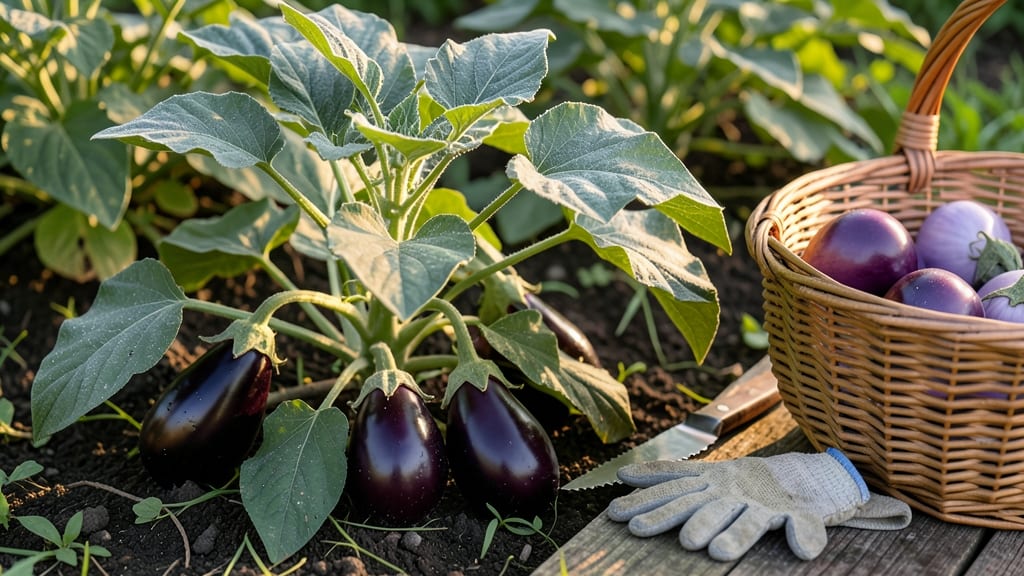
Harvesting eggplants at the right time ensures you get the sweetest, firmest fruit—not a mealy, seedy disappointment.
Picture this: you’ve nurtured your 🍆 plants all season, and now the moment of truth arrives. One wrong move, and that glossy purple skin turns bitter.
Knowing the exact eggplant harvest time can mean the difference between a firm, flavorful fruit and one that’s overripe, seedy, and bitter—so let’s uncover the signs and secrets to picking them at peak perfection.
Most eggplants reach harvest readiness between 75 and 100 days after planting, but variety matters. Some stay compact and glossy, while others grow long and striped—each with its own cues.
The key? Watch for deep color, a firm stem that snaps easily, and a size that’s fully mature but not yet woody.
In this guide, I’ll walk you through the visual clues to spot, how to adjust for your USDA Zone 6a climate, and what to do if you miss the window. No more guessing—just perfect, restaurant-quality eggplants, ready to grill, roast, or stuff.
How to determine eggplant harvest time by color, size, and texture
Harvesting eggplants at the right moment transforms a simple garden task into a rewarding experience. The perfect harvest time depends on three key factors: color, size, and texture.
Ignoring these cues can lead to bitter, seedy, or overly soft fruits that ruin dishes. Let’s break down what to look for in your garden.
Most gardeners focus on fruit size as their primary indicator, but skin glossiness and stem firmness are equally important. For example, a 6-inch purple eggplant with a dull skin may still be immature, while a 10-inch white eggplant with a glossy finish could be overripe.
Understanding these visual and physical signals ensures you harvest at peak flavor.
| Variety | Size | Color | Texture | Harvest Time |
|---|---|---|---|---|
| Black Beauty | 8-10 inches | Deep purple | Glossy, firm | 75-85 days |
| Ichiban | 6-8 inches | White | Smooth, firm | 60-70 days |
| Rosa Bianca | 6-10 inches | Striped purple/white | Glossy, firm | 70-80 days |
| Fairy Tale | 4-6 inches | Light purple | Smooth, firm | 55-65 days |
For Black Beauty eggplants, the glossy purple skin is your best friend. When the fruit reaches 8-10 inches and the skin shines like new, it’s ready. If the skin feels dull or the fruit is smaller, wait a few days.
Similarly, white eggplants like Ichiban should be 6-8 inches with a smooth, firm texture—never soft or wrinkled.
Size isn’t the only factor; stem firmness matters too. Gently twist the stem near the fruit. If it snaps cleanly, the eggplant is ripe. If it resists, it’s not ready yet.
This trick works for all varieties, from striped Rosa Bianca to compact Fairy Tale types. Overlooking this step often leads to underripe or overripe harvests.
Seasonal variations also play a role. In hot climates, eggplants mature faster, so check them every 2-3 days. In cooler regions, they may take longer to reach harvest size.
For example, Fairy Tale eggplants in Zone 5 might need an extra week compared to Zone 9. Always adjust your timeline based on local weather patterns.
Another pro tip: harvest in the morning when temperatures are cooler. This preserves the fruit’s firmness and flavor. Use a sharp knife or pruning shears to cut the stem, leaving a 1-inch stub to encourage more production.
Avoid pulling fruits off the plant, as this can damage the stem and reduce future yields.
Watch for color shifts too. Purple eggplants darken as they ripen, while white varieties develop a creamy hue. If the color fades or the fruit softens, it’s past its prime. For striped varieties, the stripes should be bold and consistent. Dull or uneven stripes mean the fruit isn’t ready.
Don’t forget to rotate your harvests. Pick the largest, ripest eggplants first to encourage the plant to produce more. This method works especially well for heavy-yielding varieties like Black Beauty. Regular harvesting also prevents overcrowding, which can lead to smaller, less flavorful fruits.
Finally, if you’re unsure, cut one open to check the seeds. At the perfect harvest time, the seeds should be small and soft, not hard or brown. Large, hardened seeds mean the eggplant is overripe and bitter. This quick check gives you confidence in your timing every time.
Mastering eggplant harvest time turns a guesswork task into a science. By focusing on size, color, and texture, you’ll enjoy garden-fresh eggplants at their peak—ready for grilling, roasting, or any dish you love.
Common mistakes that ruin eggplant harvest time and how to avoid them
Harvesting eggplants at the wrong time can turn your flavorful bounty into a bitter disappointment. Many gardeners make avoidable mistakes that lead to overripe fruit or underripe harvests, both of which ruin texture and taste.
The key is understanding the subtle signs of readiness and avoiding common pitfalls that throw off your eggplant harvest time.
One of the biggest mistakes is assuming all eggplants ripen at the same rate. Varieties like Black Beauty mature differently than Italian White or Rosa Bianca. Even within the same plant, some fruits may ripen faster than others.
Ignoring these differences can mean harvesting too early or too late, both of which compromise quality.
Another critical error is relying solely on color as a harvest indicator. While deep purple or glossy white skin often signals readiness, overripe eggplants can develop dull spots or cracks.
The real test is firmness and size—a ripe eggplant should feel heavy for its size and have a slight give when gently squeezed.
⚠️ Warning: Heat Stress and Water Woes
Extreme heat or inconsistent watering can accelerate ripening, leading to overripe eggplants that become seedy and bitter. Always water deeply in the morning and mulch to retain moisture. If temperatures exceed 90°F (32°C), provide afternoon shade to prevent stress.
Many gardeners also fall into the trap of harvesting eggplants when they're still green or too small. This happens when you're eager to enjoy your harvest or misjudge the maturity timeline.
A good rule of thumb is to wait until the fruit reaches 60-100 days after transplanting, depending on the variety, and is at least 6 inches long.
Environmental factors like poor soil drainage or nutrient deficiencies can also disrupt your eggplant's growth cycle.
If your plants struggle to produce fruit or the fruit grows unevenly, test your soil's pH (6.0-6.8 is ideal) and amend with compost or a balanced fertilizer. Calcium deficiencies can lead to blossom-end rot, further delaying harvest readiness.
Finally, don’t forget that harvesting frequency matters. Eggplants produce continuously, so check your plants every 2-3 days during peak season. Leaving fruit on the vine too long can cause it to overmature, while harvesting too frequently may stress the plant.
Balance is key—pick only the fully ripe fruits while leaving others to mature.
By avoiding these common mistakes and paying close attention to your eggplants' visual cues and growth patterns, you’ll enjoy a perfect harvest with fruit that’s firm, flavorful, and ready for your favorite recipes. Happy harvesting! 🍆