
Vegetables
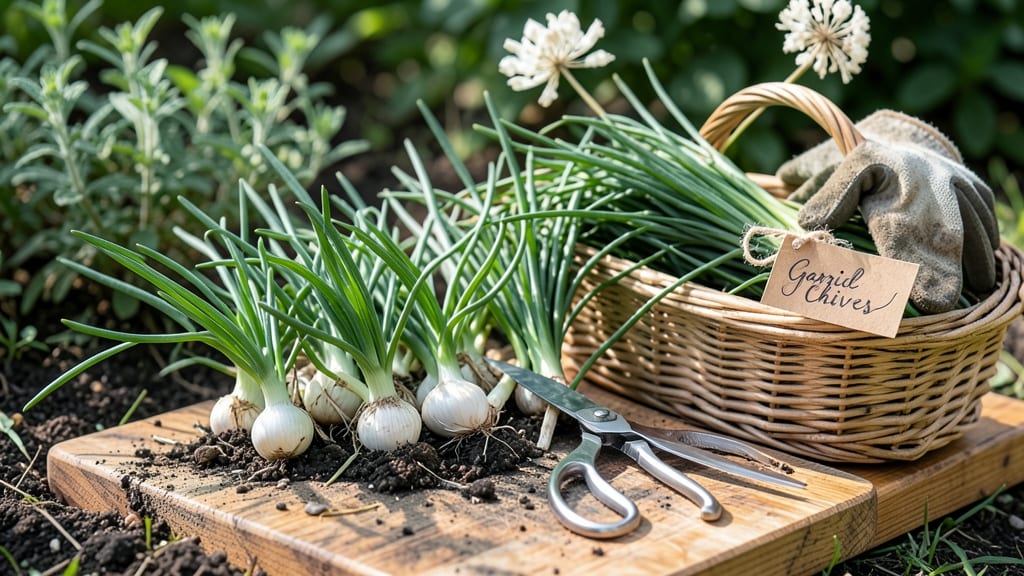
To harvest garlic chives at their peak flavor and ensure they keep growing back lush and strong, timing and technique matter more than you might think.
Picture this: you’ve spent weeks tending your garlic chives 🧄, and now you’re ready to snip—but wait. Cut them too early, and you’ll weaken the plant. Leave them too long, and the flavor fades or the flowers steal all the energy.
Get it right, though, and you’ll have a steady supply of fresh, aromatic greens all season long.
Harvesting isn’t just about grabbing a handful of leaves. It’s about working with the plant’s natural rhythm: knowing when to trim for regrowth, how to avoid stunting the plant, and why a sharp pair of scissors beats pulling by hand every time.
Even the best gardeners make mistakes here—like over-trimming or harvesting at the wrong stage—and end up with sparse, weak chives.
In this guide, I’ll walk you through the exact moments to cut for maximum flavor, the step-by-step methods that keep your chives thriving, and how to store what you harvest so it stays fresh longer.
Whether you’re a seasoned gardener or just starting, these tips will turn your chives into a year-round flavor powerhouse.


Best time to harvest garlic chives for peak flavor and regrowth
Garlic chives thrive when harvested at the right moment—too early, and you’ll miss their full flavor, while waiting too long risks stunted growth. The key is timing your cuts to balance harvest yield with regrowth potential.
I’ve found that three distinct windows work best: early spring, late summer, and fall, each offering unique benefits for flavor and plant health.
Your climate plays a major role in these harvest windows. In cooler zones (USDA 3-6), focus on early spring and fall harvests, while warmer zones (USDA 7-10) can extend late summer harvests.
The goal is always the same: cut leaves when they’re mature but not woody, typically 6-12 inches tall, to encourage bushier regrowth.
For early spring harvests, aim for leaves that are 6-8 inches tall—this ensures they’ve developed enough flavor without becoming tough. The flavor here is milder but fresher, perfect for early-season cooking.
After cutting, new growth will sprout within 2-3 weeks, making this an ideal time to encourage bushier plants for later harvests.
When late summer rolls around, your garlic chives will reach their peak flavor intensity. Wait until leaves hit 10-12 inches and show signs of flower bud formation—this is when their garlic punch is strongest.
However, be cautious: cutting too close to flowering can weaken the plant. In warmer climates, this window extends into early fall, giving you more harvest opportunities.
Fall harvests offer a sweet spot between early and late-season cuts. Leaves should be 8-10 inches tall with a deep green hue. This timing ensures you capture the aromatic balance while allowing the plant to store energy for winter.
In cooler regions, this is your last major harvest before dormancy sets in.
Watch for flower buds—they’re a clear signal that your chives are ready. If you see purple flower spikes emerging, harvest immediately to redirect the plant’s energy into leaf growth. Allowing flowers to form can reduce regrowth and weaken the plant for next season.
I’ve learned this the hard way: skipping this step means fewer leaves and less flavor in future harvests.
Climate adjustments are crucial. In warmer zones (USDA 7-10), you can extend late summer harvests into early September, but avoid cutting after first frost. In cooler zones (USDA 3-6), focus on early spring and fall, as summer heat can stress the plants.
Always water deeply 24 hours before harvesting to ensure crisp, flavorful leaves.
Pro tip: Never cut more than one-third of the plant at once. This rule prevents shock and ensures your garlic chives bounce back with vigorous regrowth.
After each harvest, I fertilize lightly with a balanced 10-10-10 to support recovery. Within 3-4 weeks, you’ll see new growth ready for your next cut.
One common mistake I see is harvesting woody or yellowing leaves. These are past their prime and won’t regrow well. Always prioritize healthy, green leaves for the best flavor and regrowth.
If your chives start looking leggy or sparse, it’s a sign you’ve over-harvested—time to let them recover before cutting again.
Step-by-step harvesting techniques to preserve garlic chives
Harvesting garlic chives at the right time and with the right technique ensures you get the most flavor while keeping your plants healthy. The key is to cut leaves selectively—never more than one-third of the plant at once.
This prevents shock and encourages bushier regrowth for continuous harvests all season.
Your choice of harvesting tools matters too. Sharp, clean scissors or pruners leave a smoother cut than dull tools, which can crush stems and invite disease. Avoid pulling leaves by hand, as this can damage the root system and weaken future growth.
How to Harvest Garlic Chives Like a Pro
- 1. Wait for the right height: Harvest when leaves reach 6-8 inches tall—this ensures they’ve developed full flavor without flowering.
- 2. Use sharp scissors: Cut leaves 1 inch above the base at a 45-degree angle to prevent water pooling.
- 3. Never trim more than 1/3: Leave at least two-thirds of the foliage to keep the plant photosynthesizing and growing.
- 4. Harvest in the morning: Leaves are crispest and most flavorful after a cool night and before the heat of the day.
- 5. Revive wilted chives: After cutting, trim any yellow or wilted tips and place stems in fresh water for 1-2 hours to perk up.
If your garlic chives look wilted after harvesting, don’t panic! Place the cut stems in a glass of water for 1-2 hours to rehydrate. This trick works wonders for reviving droopy leaves and keeping them fresh for culinary use or regrafting back into the soil.
Avoid the common mistake of over-trimming, which can stress the plant and reduce future harvests. Instead, focus on selective cutting—prioritize outer leaves first to protect the inner growth. This method keeps your chives productive for years.
After harvesting, give your plants a light fertilizer with balanced NPK (like 5-5-5) to support regrowth. Water at the base to avoid wetting the leaves, reducing the risk of fungal diseases like downy mildew.
With these techniques, your garlic chives will stay lush, flavorful, and ready for continuous harvests all season long. Happy harvesting! 🌱