
Vegetables
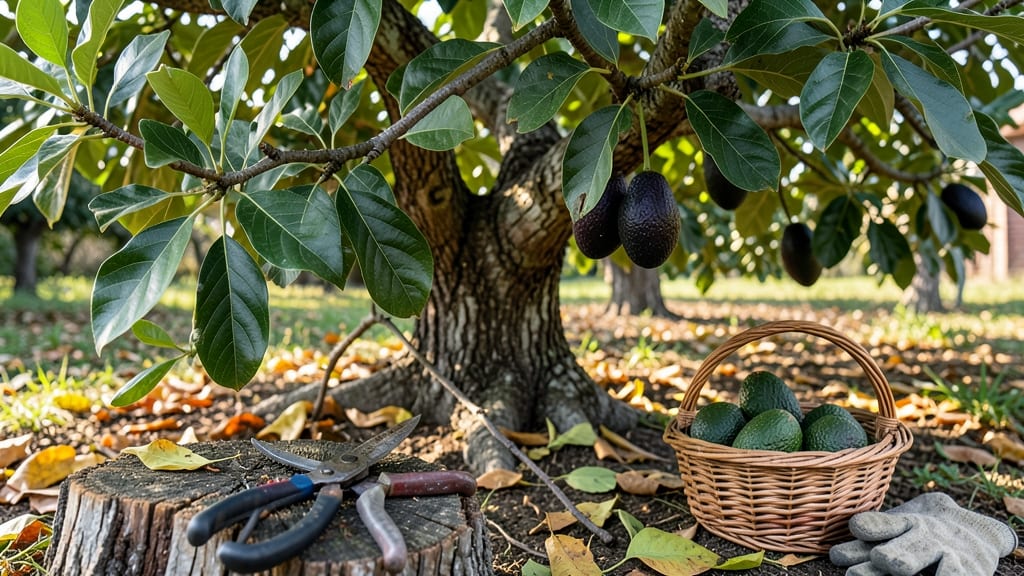
Timing the harvest of avocados 🥑 is all about catching them at the perfect moment—when soil warmth signals maturity and the fruit is ready to ripen off the tree.
Picture this: you’ve waited 12-24 months for your avocado tree to bear fruit, only to pick too early and end up with a mealy, flavorless disappointment. Or worse, you leave it too late and the fruit falls before it’s ready.
Soil temperature is the secret trigger most gardeners overlook, and it can make or break your harvest.
In General (Tropical/Subtropical Climates) like USDA zones 9a-11, the ideal harvest window opens when soil temps hit 55-65°F—a range that varies slightly by variety.
But it’s not just about the calendar; you’ll also need to watch for visual cues like skin color shifts, stem resistance, and that telltale gentle twist.
Below, I’ll walk you through the exact signs to look for, regional tweaks for cooler microclimates, and post-harvest care to keep your avocados tasting perfectly creamy long after they’re picked.

Soil temperature triggers: when avocados are ready for harvest
Avocados thrive in warm climates, but their harvest timing depends heavily on soil temperature. The ideal range is between 55°F and 65°F—this warmth signals the fruit to mature. When temperatures drop below 50°F, growth slows, delaying ripening.
In colder microclimates, like USDA Zone 9a, this means harvesting later in the season compared to frost-free Zone 11 areas.
Soil temperature isn't just about air temps—it reflects the root zone where nutrients and water flow. Use a soil thermometer 4-6 inches deep to monitor. In my California garden, I’ve found that Hass avocados reach peak maturity when soil temps hover around 60°F for at least two weeks.
This consistency ensures the fruit develops its signature creamy texture.
In cooler coastal regions, like Santa Barbara, avocados mature slower due to marine layer effects. I’ve adjusted by planting dwarf varieties like 'Mexicola' near south-facing walls to absorb extra heat. These microclimates can push harvest times 4–6 weeks later than inland areas with 65°F+ soil year-round.
For container-grown avocados, soil warms faster in pots, especially in black plastic containers. I’ve seen potted trees ready for harvest 2–3 weeks earlier than in-ground plants during summer months. Always check soil temp at the root ball’s edge—this is where the plant’s energy is focused.
Adjusting for seasonal shifts is key. In Florida’s humid climate, soil stays warm year-round, but heavy rains can cool it temporarily. I’ve learned to harvest during dry spells when soil temps naturally rise.
Conversely, in Arizona’s desert, early morning harvests avoid the 100°F+ soil that can stress the fruit.
If your avocado tree is in USDA Zone 8b or colder, consider season extension techniques. Wrapping the tree trunk with bubble wrap or using row covers can raise soil temps by 5–10°F. This small adjustment can mean the difference between a successful harvest and underripe fruit.
Never harvest based solely on fruit color—some varieties, like Fuerte, stay green even when ripe. Instead, combine soil temp data with the gentle twist test: a ready avocado will yield slightly at the stem when twisted.
This dual-check method ensures you’re harvesting at the perfect maturity stage.
Pro tip: Morning harvests in 55–65°F soil preserve flavor longer. The cooler temps slow ethylene production, the natural ripening hormone. Store harvested avocados in a paper bag with a banana or apple to speed ripening indoors—just don’t skip the soil temp check first!
How to test avocado ripeness beyond soil temperature
Soil temperature gives you a starting point, but avocado ripeness requires hands-on testing. Once your tree's roots hit that 55-65°F sweet spot, the fruit itself becomes your best indicator. I’ve learned that visual cues and physical tests reveal when avocados are truly ready—before they overripen on the branch.
Start by examining the fruit skin color. For Hass avocados, the iconic dark purple-black hue signals maturity, while other varieties like Fuerte turn yellow-green with a red blush.
A dull, uneven color means it’s not ready yet. Pay attention to surface texture too—smooth skin is ideal, while bumpy or rough patches suggest poor development.
⚠️ callout tip ⚠️
Next, perform the gentle twist test. Grasp the avocado near its stem and twist slowly back and forth. A ripe avocado will yield slightly (about a quarter-turn) before detaching cleanly. If it resists completely, it’s not ready—if it snaps off with no resistance, it’s past its prime. This test works best when the fruit is firm but not rock-hard. Don’t overlook the seed visibility through the skin. A fully mature avocado’s seed should be clearly visible and well-formed. Shine a flashlight through the skin—if you can’t see the seed’s shape, the fruit needs more time. I also check for size stabilization: Once avocados stop growing larger, they’re nearing harvest readiness, typically 12-24 months after flowering. Regional variations matter here. In warmer climates (Zones 9b-11), avocados may ripen year-round, while cooler microclimates (Zone 9a) see peak harvests in late fall to winter. I’ve found that container-grown trees in Zone 8 often need a protective cover during cooler months to maintain consistent ripening signals. Remember, avocados ripen off the tree, so harvest when they pass these tests, then store them at room temperature until fully ripe. The key is balancing firmness (for transport) with visual maturity—your fingers and eyes are your best tools after soil temperature checks. 🥑