
How To
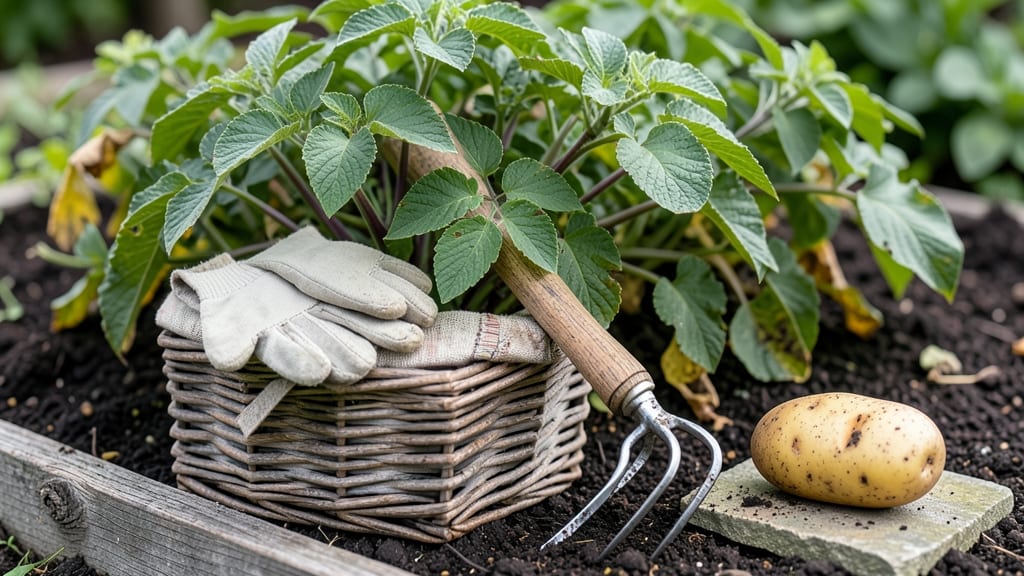
Harvesting potatoes from planting to table takes anywhere from 60 days to over 120 days, depending on the variety and growing conditions you’re working with.
Picture this: you’ve just tucked those seed potatoes into the soil, dreaming of crispy roasted spuds by summer.
But here’s the catch—some varieties like ‘Yukon Gold’ deliver in as little as 70 days, while others, like ‘Russet Burbank,’ play the long game, taking closer to 120 days to reach peak harvest.
The wait isn’t just about days on the calendar; it’s about soil warmth, daylight hours, and even how you prep your beds.
In this guide, I’ll break down the exact timeline for early, mid-season, and late varieties, plus how to tweak your growing conditions to speed up or slow down the process.
Whether you’re after new potatoes for a quick salad or full-sized spuds for storage, knowing when to dig makes all the difference.
You’ll also discover the 5 key signs your potatoes are ready—like when the foliage yellows or the tubers reach 2-3 inches—so you don’t end up with undercooked or overripe harvests. Let’s get those 🥔 out of the ground and into your kitchen!

Potato harvest time by variety: fastest to longest growing seasons
If you're eager to dig into your homegrown potatoes, the first thing you need to know is that not all varieties mature at the same speed. Some early-season potatoes can be ready in just 60 days, while others take nearly 120 days to reach harvest time.
This difference isn't just about patience—it's about choosing the right variety for your growing season and climate goals. Whether you're after quick new potatoes for salads or large storage potatoes for winter, timing is everything.
For gardeners in short-season climates (like Zones 3-5), early varieties are a lifesaver. They let you enjoy homegrown potatoes before the first frost. Meanwhile, late-season varieties are perfect for warmer regions or if you want to store potatoes through winter.
The key is matching your planting timeline to your variety's days to maturity—and knowing when to harvest for peak flavor and texture.
New potatoes (harvested young) can be ready in as few as 50 days, while full-sized storage potatoes typically need 90-120 days. The difference comes down to tuber development speed—some varieties prioritize rapid growth, while others focus on larger yields. Below, I’ve broken down the fastest and slowest varieties so you can plan your garden like a pro.
| Variety | Type | Days to Harvest | Best For | Notes |
|---|---|---|---|---|
| ‘Red Norland’ | Early | 60-70 days | New potatoes, salads | Sweet, waxy texture |
| ‘Yukon Gold’ | Early-Mid | 70-80 days | Roasting, mashed potatoes | Buttery, high yield |
| ‘Early Girl’ | Early | 60-75 days | New potatoes, short seasons | Disease-resistant |
| ‘Kennebec’ | Mid-Season | 80-90 days | Storage, baking | Firm, long storage |
| ‘Russet Burbank’ | Late | 100-120 days | Storage, frying | Classic baking potato |
| ‘Idaho Russet’ | Late | 110-130 days | Long-term storage | High starch, large tubers |
If you're growing in a short-season climate, prioritize early varieties like ‘Red Norland’ or ‘Early Girl’—they’ll give you edible potatoes in just 60-75 days. These are perfect for new potatoes, which you can harvest as soon as they’re the size of a golf ball.
For full-sized storage potatoes, mid-season varieties like ‘Kennebec’ or ‘Yukon Gold’ strike a balance, maturing in 80-90 days. They’re ideal for gardeners who want a steady supply without waiting too long.
On the other end of the spectrum, late-season varieties like ‘Russet Burbank’ and ‘Idaho Russet’ take 100-130 days to mature. These are the workhorses of the potato world, prized for their long storage life and ability to produce large tub
How climate and soil affect potato harvest timing (and how to speed it up)
Your potato harvest timing isn’t set in stone—it’s a dance between climate zones, soil temperatures, and even daylight hours.
In Zone 3-4, where I garden, my Russet potatoes often take 100-120 days to mature, while in Zone 7+, gardeners can harvest Yukon Golds in just 60-70 days. The difference? Soil warmth and growing season length.
Let’s break down why your spuds might be slow—and how to speed them up.
Potatoes need consistent soil temps above 50°F to grow properly. In cooler climates, slow soil warming delays sprouting and tuber formation. Meanwhile, longer daylight hours in summer zones (like mine in Zone 6a) trigger faster growth.
Even the moisture content of your soil plays a role—too dry, and tubers shrivel; too wet, and they rot. Understanding these factors helps you adjust your planting schedule and care routine for a quicker harvest.
- 🌡️ Zone 3-4: 100-120 days to harvest (plant early varieties like ‘Early Rose’ or use black plastic mulch to warm soil faster).
- 🌞 Zone 5-6: 70-90 days (ideal for ‘Kennebec’ or ‘Red LaSoda’—plant after last frost when soil hits 50°F).
- 🌴 Zone 7+: 60-75 days (fastest for ‘New Redskin’ or ‘Silverton Russet’—take advantage of longer growing seasons).
- ⏳ Soil temp tip: Use a soil thermometer—potatoes grow best when soil stays 60-75°F.
To speed up your harvest, start with black plastic mulch—it warms soil by 10-15°F, cutting weeks off your growing time. I’ve seen ‘Red Pontiac’ potatoes mature 2 weeks earlier just by covering beds with plastic.
Another trick? Side-dress with compost when plants flower—this boosts tuber growth without overfeeding. And don’t forget: consistent moisture is key. Deep watering 2-3 times per week (1-2 inches total) keeps tubers plump and speeds up maturation.
If you’re in a short-season climate, choose early-maturing varieties like ‘Finnish Yellow’ (60 days) or ‘Goldrush’ (65 days). These thrive even in cool soils and give you a harvest before frost.
For longer seasons, opt for mid-season types like ‘Kennebec’ (85 days) or ‘Yukon Gold’ (80 days)—they’ll reward you with bigger yields. Pro tip: Plant two crops in warm zones—one in early spring and another in late summer for a double harvest!
One common mistake? Overwatering after flowering. Too much water late in the season can delay harvest by softening tubers. Instead, taper back to 1 inch per week once plants bloom.
And if your soil is sandy or rocky, mix in compost or aged manure before planting—this improves moisture retention and nutrient availability, helping tubers grow faster. With these tweaks, you’ll be digging up perfect potatoes weeks ahead of schedule!
Remember, harvest timing isn’t just about days—it’s about conditions. Pay attention to foliage yellowing and tuber size, and don’t rush it! A well-timed harvest means flavorful, storable potatoes all winter long. Happy digging! 🥔