
How To
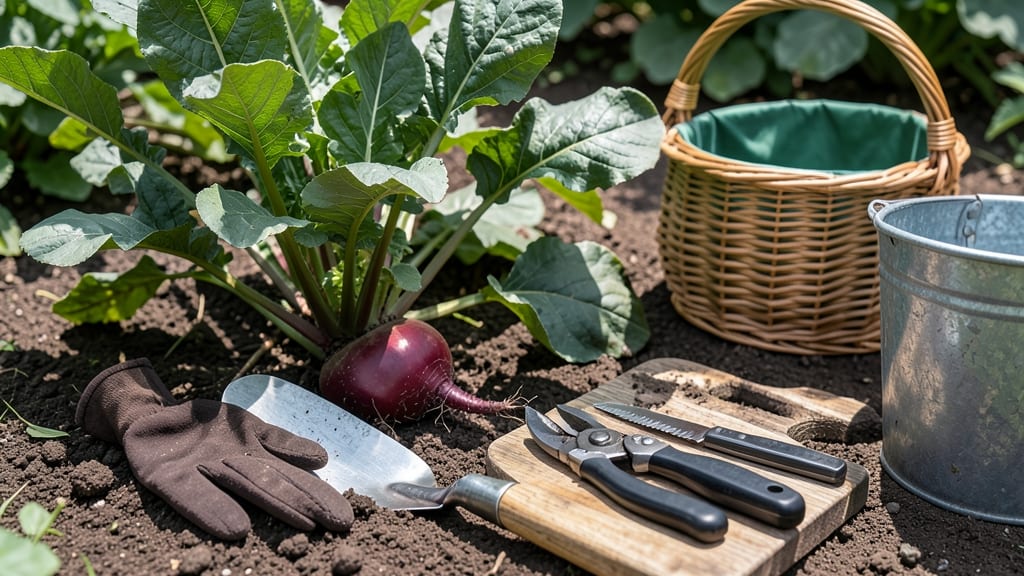
To harvest beets at their peak, aim for 50–90 days depending on whether you want tender baby 🍠 roots or full-sized storage varieties.
Beets are one of the most versatile root vegetables, but timing their harvest perfectly can make the difference between earthy, tender perfection and tough, woody disappointment.
Most gardeners pull baby beets at 50–70 days when they’re just 1–2 inches wide, while mature roots take 60–90 days to reach 2–3 inches—the ideal size for roasting or storing.
Below, I’ll break down the exact stages to watch for, from leaf color to root firmness, so you never miss the sweet spot—or end up with overgrown, stringy beets.


3 Size-based harvest stages for beets by sweetness and texture
Harvesting beets at the right stage transforms them from bland, fibrous roots into sweet, tender gems. The key lies in understanding the three distinct harvest windows—each offering unique flavor profiles and textures. Whether you're craving delicate baby beets for salads or robust storage roots for winter, timing matters.
I'll break down when to harvest based on size, sweetness, and texture, so you never miss the perfect moment.
Beets develop differently depending on whether you're growing them for baby greens, tender roots, or long-term storage. Baby beets, harvested early, pack the most sweetness and tenderness, while mature beets develop deeper flavors and firmer textures.
Storage beets, left in the ground longer, become even sweeter as they convert starches to sugars. Let's dive into the specifics so you can plan your harvest like a pro.
Here’s how to match your harvest timing to your goals, complete with size guidelines and flavor characteristics for each stage:
For baby beets, aim to harvest when roots reach 1–2 inches in diameter. These are the sweetest and most tender, perfect for slicing into salads or pickling. The flavor is mild and slightly sweet, with a crisp texture that holds up well to quick cooking.
To encourage this stage, thin seedlings to 3–4 inches apart early on, giving roots space to develop without competition.
When beets reach 2.5–3.5 inches, they’re ready for the mature beet stage. This is where their deep, earthy flavor shines, making them ideal for roasting or stewing. The texture becomes firmer and slightly fibrous, which works beautifully in hearty dishes.
If you’re growing heirloom varieties like 'Detroit Dark Red' or 'Golden', this stage is often the sweet spot for peak flavor.
For storage beets, wait until roots are 3–4 inches in diameter and have developed a thick, woody texture. These beets are packed with intense sweetness and can be stored for months in a cool, dark place.
Varieties like 'Chioggia' or 'Albina Vereduna' are excellent choices for this stage. Harvest before the first frost to preserve their quality, and cure them for a week in a dry, shady spot to extend shelf life.
Pro tip: If you’re unsure about the size, check the leaf color. Healthy beet greens should be deep green and vibrant, not yellowing or wilted. The roots will mirror the foliage’s health—bright leaves mean sweet, flavorful beets.
Overgrown beets develop a woody core, so don’t let them linger past their prime.
Understanding these stages lets you plan your garden strategically. Plant a successive crop every 2 weeks to ensure a steady supply of baby, mature, and storage beets throughout the season. This way, you’ll always have fresh, flavorful roots ready for whatever dish you’re cooking up.
Now that you know the ideal harvest windows, you’re ready to enjoy beets at their peak. Whether you’re a salad lover or a winter storage enthusiast, timing is everything. Happy harvesting!
How to test beet root maturity without digging: visual and tactile cues
Harvesting beets at the perfect moment ensures sweet, tender roots instead of tough, fibrous ones. The key is learning to read your plants' signals without digging up every root for inspection.
I’ve tested these methods in my own garden, and they never fail me—once you know what to look for, you’ll never guess again!
Beets communicate their readiness through leaf color, root size, and even how they feel when gently tested. Start by observing the top growth first—healthy leaves mean the roots below are likely following suit.
For varieties like Detroit Dark Red or Golden Beets, timing is everything, and these cues will save you from overgrowth.
- 🌱 Baby Beets (40–50 days): Leaves reach 3–4 inches tall; roots are 1 inch in diameter.
- 🍠 Mature Beets (60–70 days): Leaves hit 6–8 inches; roots are 2–3 inches and firm.
- 🌿 Storage Beets (70–90 days): Leaves grow 10+ inches; roots are 3+ inches with deep color.
To check root size without digging, gently brush away soil around the base of a few plants. If the exposed portion of the root feels firm and round, it’s likely ready.
For varieties like Chioggia with striped roots, the patterns will be fully visible when mature. If the skin resists gentle pressure but doesn’t crack, you’ve nailed the sweet spot!
Another foolproof trick is the soil-pull test. On a dry day, grasp a beet’s leaves and give a gentle tug. If the root slides out easily with minimal resistance, it’s time to harvest.
If it feels stubborn, wait another 3–5 days. This method works best for loose, well-drained soil—compacted dirt can trick you into thinking roots are bigger than they are.
Watch for leaf yellowing or bolting (flowering), which signals overmaturity. Beets left too long in the ground develop wooden cores and bitter flavors. In my garden, I mark harvest dates on a calendar when planting to avoid surprises.
For fall plantings, aim to harvest before the first frost—roots left in cold soil can split or rot.
Pro tip: Harvest on a dry, sunny morning to let roots dry slightly before storage. This reduces rot risk and preserves sweetness. Once you master these cues, you’ll never second-guess your beet harvest again—just trust your eyes, your hands, and your garden’s whispers! 🌱