
How To
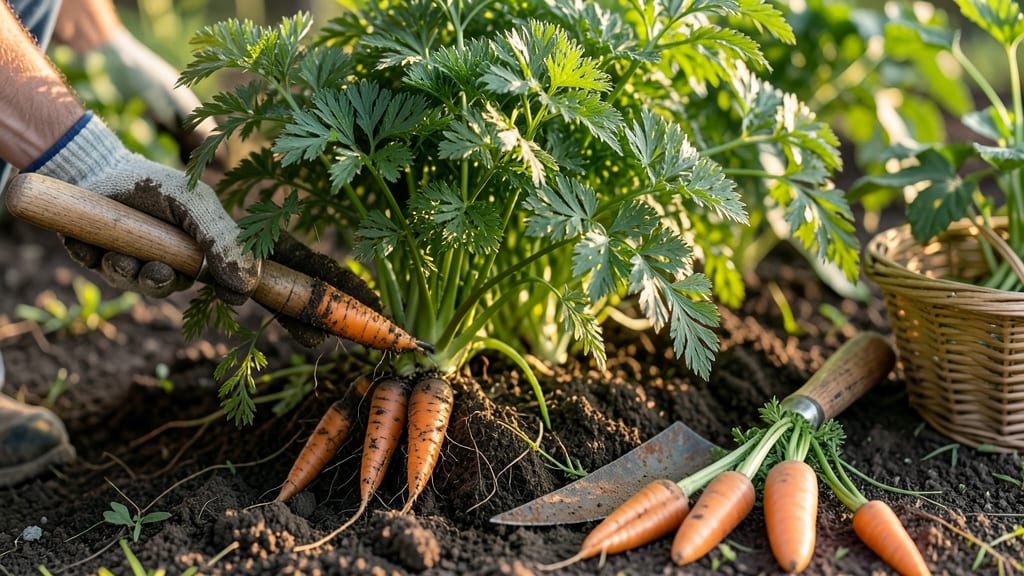
Harvesting carrots from seeds takes between 60 and 80 days—but that window shifts wildly depending on your soil, variety, and even the time of year you planted 🥕.
Picture this: you’ve spent weeks thinning seedlings, keeping the soil moist, and dreaming of that first crisp bite—only to pull a tiny, underdeveloped root at 70 days. The problem? Most growers miss the soil temperature sweet spot (50–85°F) or pick the wrong variety for their climate.
Worse, they ignore the leaf size and root diameter cues that matter more than days alone.
Here’s the good news: with the right timing, you can harvest baby carrots in as little as 40 days or full-sized roots in 80+ days, depending on your goals.
I’ll show you how to read your garden’s signals—from seed packets to soil thermometers—and avoid the two biggest mistakes that turn patience into wasted effort.
By the end, you’ll know exactly when to pull those bright orange roots, how to spot overripe (woody) or underripe (pale) carrots, and which varieties play nice in your zone. No more guessing—just crisp, homegrown perfection.


Carrot harvest timeline: days to maturity by variety & soil temperature
Carrots are one of the most rewarding vegetables to grow, but their harvest timing depends on two critical factors: the variety you plant and your soil temperature.
Most gardeners expect 70 days to maturity, but early varieties like Paris Market can be ready in just 40 days, while heirlooms like Danvers Half Long may take 80+ days.
Even a 5°F soil temperature shift can delay germination by weeks, so let’s break down the exact timeline for your climate.
Soil temperature is non-negotiable for carrot growth. Seeds won’t sprout below 50°F, and ideal germination occurs between 60–85°F. If your spring soil is still chilly, opt for cold-tolerant varieties like Nantes or Chantenay, which handle 45°F soils better than delicate short-day varieties.
In hot climates (Zones 8–10), plant in fall to avoid bolting—your carrots will mature faster in cooler 70–75°F conditions.
Here’s the harvest timeline breakdown by variety and climate zone, so you can plan your garden like a pro:
| Variety | Days to Maturity | Soil Temp Range (°F) | Best Climate Zones | Harvest Window |
|---|---|---|---|---|
| Paris Market (Dwarf) | 40–50 days | 60–85°F | All zones (container-friendly) | Spring: April–May / Fall: Sept–Oct |
| Little Finger (Short-Day) | 50–60 days | 55–75°F | Zones 3–8 (spring/fall) | Spring: May–June / Fall: Aug–Sept |
| Nantes (Cold-Tolerant) | 60–70 days | 45–70°F | Zones 2–9 (early spring) | Spring: April–May / Fall: Sept–Oct |
| Danvers Half Long (Heirloom) | 70–85 days | 60–80°F | Zones 4–10 (long season) | Spring: June–July / Fall: Sept–Nov |
| Purple Haze (Rainbow) | 75–80 days | 55–75°F | Zones 5–9 (cool seasons) | Spring: May–June / Fall: Aug–Sept |
If you’re in Zones 1–4, focus on early varieties like Paris Market or Nantes—they’ll mature before summer heat sets in. In Zones 8–10, plant short-day varieties in fall to avoid the 90°F+ temperatures that cause bolting.
Pro tip: Use a soil thermometer to monitor temps—if it’s below 50°F, wait to plant or use a cloche to warm the soil.
For successive planting, stagger seeds every 2–3 weeks in spring or 3–4 weeks in fall. This ensures a continuous harvest instead of one big batch.
For example, if you plant Little Finger on April 1st, follow up with another batch on April 15th—you’ll have carrots ready by May 15th and June 1st, respectively. This method works especially well in short-season climates like Zones 3–5.
One common mistake is assuming all carrots take 70 days. In reality
5 Critical factors that delay or speed up carrot harvest time
If your carrot seeds are taking longer than expected to produce harvest-ready roots, the issue likely lies in one of these five critical factors. Each plays a key role in determining how quickly your carrots mature—from seed quality to soil conditions.
Ignoring even one can stall growth by weeks or even months. Let’s dive into the specifics so you can troubleshoot and optimize your next planting.
First, seed quality sets the foundation for speed. Old or low-quality seeds germinate slower and may produce weak seedlings that struggle to compete. Always choose certified organic seeds from reputable suppliers, and store them in a cool, dry place.
I’ve seen 30-day differences in harvest times simply by upgrading seed quality—don’t skip this step!
Soil depth is another game-changer. Carrots need at least 12 inches of loose, stone-free soil to grow straight and reach maturity. Compacted or shallow soil forces roots to fork or grow crooked, delaying harvest by 2-4 weeks. Before planting, loosen the soil with a garden fork and mix in compost or sand to improve texture.
🌱 Numbered Highlights: Speed Up Your Carrot Harvest
- Seed Quality: Use fresh, heirloom or hybrid seeds (e.g., Danvers or Nantes) for faster germination. Avoid seeds older than 1 year.
- Soil Depth: Loosen soil to 12+ inches to prevent forking. Add compost for nutrients and sand for drainage.
- Moisture Levels: Keep soil consistently moist (1-2 inches of water every 3-5 days). Drought stress can delay harvest by up to 3 weeks.
- Thinning Techniques: Thin seedlings to 2-3 inches apart when they’re 2 inches tall. Overcrowding stalls growth by 10-15 days.
- Common Mistakes: Avoid over-fertilizing with nitrogen (causes leafy tops, not roots) and planting too deep (seeds need light to germinate).
Next, moisture levels directly impact growth speed. Carrots need consistent moisture—not soggy soil, not drought. I’ve found that maintaining 1-2 inches of water every 3-5 days keeps roots growing steadily.
Let the top inch of soil dry between waterings, but never let it become bone-dry. During heatwaves, increase frequency to every 2-3 days to prevent stunted growth.
Thinning techniques often get overlooked, but they’re crucial. When seedlings are 2 inches tall, thin them to stand 2-3 inches apart. This reduces competition for nutrients and sunlight, accelerating harvest by 10-15 days. Use scissors to snip unwanted seedlings at soil level—pulling can disturb roots and invite pests.
Finally, common mistakes like overcrowding or improper fertilization can derail your timeline. For example, excessive nitrogen promotes leafy growth at the expense of root development, delaying harvest by 2-3 weeks.
Stick to a balanced 5-10-10 fertilizer and apply it lightly in early spring. Also, avoid planting seeds too deep—carrots need light to germinate, so keep them ¼ inch below soil.
By addressing these five factors, you’ll shave weeks off your harvest time and enjoy crisp, homegrown carrots faster than ever. Start with seed quality and soil depth, then monitor moisture and thinning closely—your garden (and taste buds) will thank you! 🌱