
How To
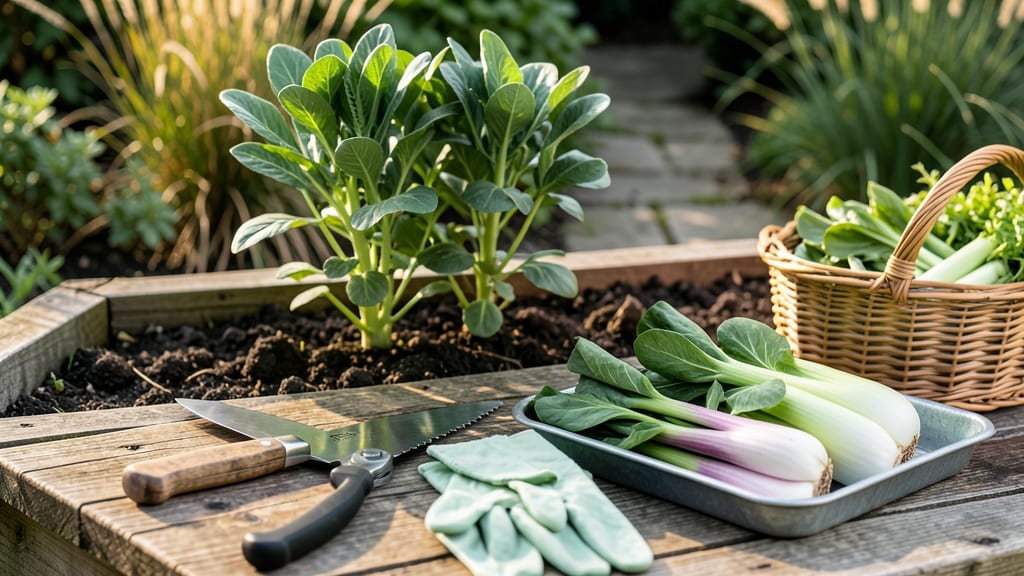
Harvesting bok choi 🥬 at the right time transforms your garden into a crisp, flavor-packed feast—but many gardeners miss the window or cut too aggressively, sending their plants into a wilted spiral.
Timing is everything: those tender stems and sweet leaves peak when they’re 6–8 inches tall, with deep green, glossy leaves that snap like fresh celery. Cut too early, and you’re left with bitter, underdeveloped greens. Wait too long, and the stems toughen up faster than your patience can handle.
Here’s the secret: a sharp knife and a 3-step trick—cut just above the soil, leave the base intact, and water deeply afterward—to keep your bok choi bouncing back for weeks of harvests. No more sad, bolting plants or wasted effort.
Below, I’ll walk you through the exact technique, when to harvest for baby leaves vs. full-size bunches, and how to coax your bok choi into regrowing like a champ. Ready to turn your garden into a never-ending salad bar?


When and how to harvest bok choi for maximum flavor and texture
Timing your bok choi harvest is everything—cut too early, and you’ll sacrifice sweetness; wait too long, and the stems turn woody. The ideal harvest window for peak flavor and texture is when your plants reach 6-8 inches tall with deep green, glossy leaves.
This usually happens 30-60 days after planting, depending on your climate and variety. For baby bok choi, you can start harvesting as early as 21 days when leaves reach 4-6 inches.
Don’t rely solely on days since planting—always check the visual cues that signal readiness. The outer leaves should be large enough to wrap around your thumb, and the stems should feel firm when gently squeezed.
If the leaves are pale or the stems feel soft, your bok choi isn’t ready yet. Overlooking these signs means sacrificing that perfect crisp texture and mild, slightly sweet flavor.
Here’s the golden rule for harvesting: Cut at the base just above the soil line using a sharp pair of scissors or pruning shears. This method preserves the plant’s ability to regrow, giving you multiple harvests per plant.
Avoid pulling or tearing leaves—this damages the plant and invites pests. For baby bok choi, you can also snip individual leaves from the outer edges, leaving the inner growth intact.
Pro tip: Harvest in the morning when temperatures are cool and the leaves are at their peak crispness. This is also when the flavor compounds are most concentrated. If you’re harvesting for storage, rinse the leaves gently and pat them dry immediately to prevent wilting.
For immediate use, you can harvest and cook within 2-3 hours for the freshest taste.
| Harvest Stage | Leaf Size | Stem Condition | Color | Harvest Method | Regrowth Potential |
|---|---|---|---|---|---|
| Baby Bok Choi | 4-6 inches | Thin, tender | Bright green | Snip outer leaves | High |
| Mature Bok Choi | 6-8 inches | Firm, crisp | Deep green, glossy | Cut at base | Moderate |
| Overmature Bok Choi | 8+ inches | Woody, tough | Dull, yellowing | Avoid harvest | Low |
For continuous harvests, space your cuts strategically. If you’re growing bok choi for baby leaves, you can harvest every 7-10 days by snipping the outer leaves. For full-size plants, harvest the entire head at once and allow the plant to regrow for a second flush.
After the first harvest, your bok choi may produce smaller but still edible leaves in about 2-3 weeks, though the quality won’t match the first harvest.
One common mistake is harvesting too aggressively, which stresses the plant and reduces future yields. Always leave at least 2-3 inches of growth at the base to ensure regrowth. If you notice the leaves yellowing or wilting after harvest, it’s a sign of overharvesting or underwatering.
Adjust your watering schedule to 1 inch per week and avoid cutting more than 30% of the plant at once.
To maximize flavor, harvest your bok choi before the heat of summer or after the first frost in fall. Heat causes the leaves to bolt, making them bitter, while a light frost actually sweetens the flavor.
If you’re growing bok choi in containers, rotate the pots every few days to ensure even sunlight exposure, which helps maintain consistent leaf size and texture across the plant.
After harvesting, store your bok choi in the crisper drawer of your fridge wrapped in a damp paper towel to retain moisture. This keeps it fresh for up to 7-10 days.
For long-term storage, blanch and freeze the leaves—this preserves their nutritional value and crispness for up to 6 months. Always harvest with a clean, sharp tool to prevent disease and ensure a clean cut that heals quickly.
Remember, the key to sweet, crisp bok choi is
The 3-Step harvesting trick: cut, regrow, repeat for continuous yields
Harvesting bok choi doesn’t have to mean sacrificing future harvests. With the right technique, you can enjoy a steady supply of crisp stems and sweet leaves all season long.
The key lies in proper cutting methods and post-harvest care to encourage vigorous regrowth. Let’s break down how to maximize your yield without harming your plants.
Many gardeners make the mistake of pulling entire plants or cutting too close to the soil, which stunts regrowth. Instead, we’ll focus on precise cutting angles and timing to keep your bok choi producing for weeks.
This method works especially well for baby bok choi varieties, but mature plants can also bounce back with proper care.
How to Harvest Bok Choi for Regrowth
- 1
- 2
- 3
Use clean, sharp pruning shears or a knife to cut the main stem about 1 inch above the soil line. Avoid pulling or tearing leaves, as this damages the plant’s ability to regrow. Focus on the outer leaves first to encourage new growth from the center.
Never harvest more than 30% of the plant at once. Remove only the largest, most mature outer leaves while preserving the inner leaves and stem. This ensures the plant has enough energy to regenerate. For baby bok choi, you can harvest individual leaves as they mature.
After harvesting, apply a balanced fertilizer (like 5-10-10) and water deeply to encourage new growth. Bok choi thrives in consistently moist soil, so mulch around the base to retain moisture. Repeat harvests every 2-3 weeks for continuous yields.
Timing your harvests is just as important as the cutting technique. Space your harvests 2-3 weeks apart to allow the plant to recover and produce new growth. If you harvest too frequently, your bok choi will become stressed and may stop producing.
Pay attention to the plant’s signals—if the leaves start yellowing or the stems soften, it’s a sign you’re harvesting too aggressively.
One common mistake is cutting too close to the soil, which can expose the stem to rot or pests. Always leave at least 1 inch of stem above the soil to protect the plant.
Another error is neglecting post-harvest care, such as fertilizing or watering. Bok choi is a heavy feeder, so it relies on consistent nutrients to bounce back after harvesting.
With these techniques, you can enjoy continuous bok choi harvests for months. The first flush will be the most robust, but with proper care, your plants will reward you with tender leaves and crisp stems all season long. Happy harvesting!