
How To
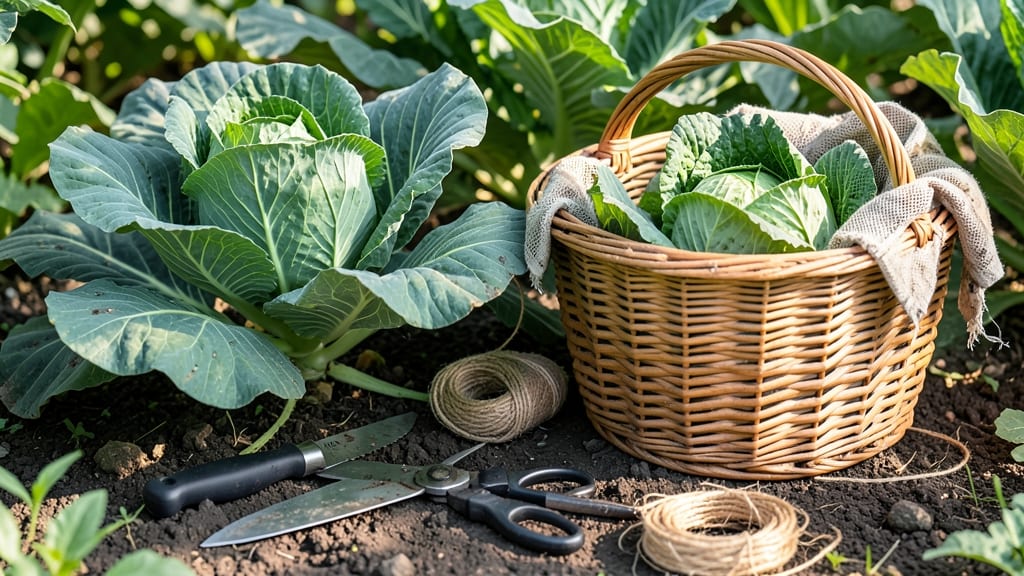
To harvest cabbage at the perfect moment means crisp, flavorful heads that stay fresh for weeks—but one wrong move can ruin everything.
Picture this: you’ve nurtured your 🥬 cabbage all season, only to pull a head that’s loose, bitter, or already bolting. That’s the difference between a rewarding harvest and a wasted crop. The key? Knowing exactly when to cut—and how to do it without damage.
In this guide, I’ll walk you through the visual cues that signal your cabbage is ready, the best tools and techniques for a clean harvest, and how to store your bounty for maximum freshness.
Whether you’re a first-time gardener or a seasoned grower, these steps will help you avoid common mistakes and enjoy your hard work for months to come.
Ready to turn your garden’s best into kitchen magic? Let’s get started with the timing and techniques that make all the difference.


When to harvest cabbage for maximum crispness and flavor
Cabbage reaches its peak flavor and texture when harvested at the right moment. Waiting too long causes heads to split or bolt, while harvesting too early means sacrificing full development. The ideal harvest window depends on leaf color, head firmness, and variety maturity.
For most cabbage types, this occurs 75-100 days after transplanting, but timing varies by season and climate.
Spring-planted cabbage typically matures in June-July, while fall crops are ready by October-November. In warmer climates (USDA Zones 8-10), heat stress can accelerate bolting, so prioritize early harvests before temperatures exceed 80°F (27°C).
Pay attention to your local first frost date—fall cabbage should be harvested before hard frosts damage the heads.
| Harvest Cue | What to Look For | Action |
|---|---|---|
| Head Firmness | Solid, heavy head that doesn’t feel loose when gently squeezed | Harvest within 2-3 days |
| Leaf Color | Deep, uniform color (green, purple, or red) with slight yellowing at outer leaf bases | Ready for harvest |
| Head Size | Firm head measuring 6-8 inches in diameter (varies by variety) | Cut when fully developed |
| Seasonal Timing | Spring: June-July | Fall: October-November | Adjust for local climate |
| Temperature Warning | Heads splitting or bolting (flowering) in heat | Harvest immediately |
To test a cabbage head’s readiness, gently squeeze it—if it feels rock-hard and heavy for its size, it’s perfect. The outer leaves should also show slight yellowing at the base, signaling maturity without overripeness.
Avoid harvesting when leaves are still loose or uneven, as this indicates underdevelopment. For savoy cabbage, wrinkled leaves are a key maturity sign.
Seasonal variations matter: Spring cabbage grows faster in cooler weather, while fall crops develop more slowly as temperatures drop. In USDA Zone 6a, aim to harvest spring cabbage by late June to avoid heat stress.
For fall crops, start harvesting in October before the first frost. If your cabbage heads begin to split or bolt, harvest immediately—even if not fully mature—to salvage what you can.
Some gardeners prefer to harvest outer leaves first for baby cabbage, but this reduces the main head’s size. For maximum crispness, always harvest the entire head when mature.
Use a sharp knife to cut the stem 1-2 inches below the head, leaving a small portion attached to encourage regrowth if desired. Store harvested cabbage in a cool, dark place (40-50°F) for up to 2 weeks.
Watch for color shifts—pale or inconsistent hues mean the head isn’t ready. Similarly, heads that feel light or hollow when squeezed are past their prime. Red or purple cabbage should maintain deep coloration; if it fades to green, harvest immediately.
For green cabbage varieties, vibrant green leaves indicate peak flavor.
In container gardens, cabbage matures slightly faster due to limited root space. Monitor these plants daily for readiness, especially in warm climates. If your cabbage bolts (sends up a flower stalk), it’s too late to save for head harvests—use the leaves for cooking instead.
Bolting is often triggered by heat stress or drought, so prioritize consistent watering and shade cloth during summer.
For extended harvests, plant successive crops every 2-3 weeks in spring and fall. This staggered approach ensures a steady supply of fresh cabbage. Always harvest on a dry, sunny morning to allow heads to dry slightly before storage, reducing the risk of rot or mold.
With the right timing, your cabbage will stay crisp, flavorful, and ready for the table.
🥬
Step-by-step cabbage harvesting techniques to prevent damage
Harvesting cabbage correctly ensures you get crisp, flavorful heads without bruising or damage. The wrong technique can lead to bolting, rot, or premature spoilage, so using the right methods is key.
Whether you're harvesting green cabbage, red cabbage, or Savoy, these steps will keep your crop intact and delicious.
Timing matters just as much as technique. Cabbage should be harvested when the head feels firm and the outer leaves show slight yellowing at the base. If you wait too long, the head may split or bolt, ruining your harvest. Follow these steps to ensure a smooth, damage-free process.
How to Harvest Cabbage Without Damage
- Step 1: Choose a dry, sunny day for harvesting to minimize moisture-related damage and reduce disease risk.
- Step 2: Use a sharp, clean knife (or pruning shears) to cut the head about 1 inch above the soil. Avoid tearing leaves, which invites pests.
- Step 3: For loose-leaf varieties (like Napa cabbage), harvest outer leaves by cutting at the base. Leave the center to regrow for multiple harvests.
- Step 4: Handle heads gently by the stem to avoid bruising. Never grip the leaves tightly, as this can crush the delicate layers.
- Step 5: Remove yellowed outer leaves but keep the core intact. These leaves protect the head during storage.
After harvesting, store cabbage in a cool, humid environment (around 32-40°F) to extend freshness. Place heads in a plastic bag with ventilation or wrap loosely in a damp cloth to retain moisture. Avoid washing until ready to use, as excess water speeds up spoilage.
For long-term storage, ferment cabbage into sauerkraut or freeze whole heads (after removing outer leaves) for up to 8 months. If storing in the fridge, keep whole heads unwashed in a perforated plastic bag for up to 2 weeks. Proper handling now means fewer losses later!
If you notice bolting or splitting after harvest, it’s a sign the cabbage was stressed before picking. Next time, harvest earlier when heads are firm and compact. With these techniques, you’ll enjoy crisp, homegrown cabbage all season long.