
How To
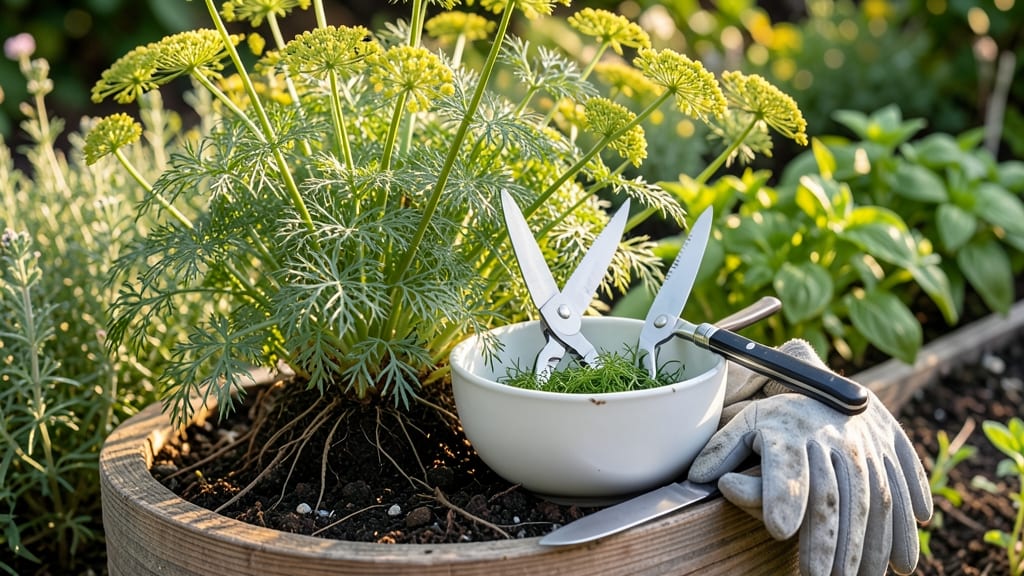
Harvesting dill at the right time for pickles means capturing its peak flavor before it turns bitter or woody 🌿—and doing it wrong can ruin your jar of homemade goodness.
Nothing beats the tangy, fresh flavor of homegrown dill straight from your garden—especially when used for homemade pickles. But timing your harvest wrong can mean bitter stems or weak flavor. Here’s how to pick dill at its peak for the best pickle bundles every time.
Most gardeners wait until the plant reaches 12-18 inches tall, with lush, feathery leaves and firm stems. This is when the flavor is strongest, just before flowering. Cutting too early means mild flavor, while waiting too long risks bitterness and tougher stems.
In this guide, you’ll learn the exact moment to harvest, how to cut for maximum yield, and storage tips to keep your dill fresh until jar time. Let’s get started!


When to harvest dill for pickles: ideal growth stages explained
Getting the timing right when harvesting dill for pickles makes all the difference in flavor and aroma. The best time to pick dill is just before it flowers, when the leaves are fully developed but still tender.
This stage ensures the bright, fresh taste that pickles crave—any later, and the stems can turn bitter or woody.
Dill plants typically reach harvest-ready height—12 to 18 inches tall—about 60 to 70 days after planting. If you wait until the yellow-green flowers bloom, the flavor shifts toward bitterness, which isn’t ideal for crisp, tangy pickles. Instead, focus on the leaf and stem development as your guide.
Here’s the key: harvest dill when the leaves are lush and feathery, and the stems are firm but not yet flowering. This stage guarantees the best flavor profile for your homemade pickles, whether you’re using fresh bundles or drying the herb for later use.
| Growth Stage | Harvest Timeframe | Flavor & Texture | Visual Cues |
|---|---|---|---|
| Seedling Stage | Not recommended | Mild, weak flavor | Leaves small, sparse 🌱 |
| Early Growth (6-8 weeks) | Partial harvest possible | Developing flavor | Leaves feathery, 6-12" tall |
| Ideal Harvest Stage | 60-70 days after planting | Bright, fresh, tangy | Lush leaves, firm stems, no flowers 🌿 |
| Early Bloom Stage | Avoid for pickles | Bitter, woody notes | Yellow-green flowers forming 🌻 |
| Full Bloom Stage | Seed harvest only | Strong, pungent aroma | Abundant yellow flowers 🌼 |
If you’re unsure whether your dill is ready, check the leaf size and stem firmness. The leaves should be deep green and feathery, with no signs of yellowing or wilting.
The stems should feel sturdy when you gently pinch them—this indicates the plant is mature enough for harvesting without sacrificing future growth.
Harvesting at the right stage also ensures your dill plant continues producing leaves. If you cut stems too early, the plant may struggle to recover, but harvesting at the ideal 60-70 day mark balances flavor and yield.
For continuous harvests, you can even snip outer stems and let the center keep growing.
One common mistake is waiting until the flowers appear. While dill flowers are beautiful and attract pollinators, they signal the plant is shifting its energy toward seed production. This change in focus leads to bitter-tasting leaves, which can ruin your pickle jars. Always prioritize harvesting before the flowers open.
For the best results, aim to harvest dill in the morning after dew has dried. This timing ensures the leaves are crisp and hydrated, making them perfect for bundling in jars.
Plus, morning harvests give you the full day to prep your pickles while the dill is at its freshest.
If you’re growing dill for both pickles and seeds, you can let a few stems flower while harvesting others. Just be mindful that once the flowers appear, the flavor of the leaves will decline rapidly. Save those flowering stems for seed collection instead of pickle-making.
Remember, the goal is to capture that peak freshness right before flowering. With the right timing, your homemade pickles will burst with that signature dill flavor that store-bought just can’t match. Happy harvesting! ✂️
Step-by-step harvesting techniques for fresh dill bundles
Harvesting dill for pickles starts with the right technique to preserve its bright, fresh flavor. The key is cutting at the base of the plant while leaving enough foliage to encourage regrowth.
Use sharp, clean pruning shears or a knife to avoid crushing stems, which can lead to wilting before you even bundle them.
For pickle jars, you’ll want 3-5 inch stems with leaves intact. These bundles should be firm, upright, and free of yellowing leaves. If you harvest too early, the flavor will be mild; too late, and the stems become bitter and woody.
Aim for plants that are 12-18 inches tall with lush, feathery leaves.
How to Harvest Dill for Pickles
- Step 1: Choose a dry morning after dew has evaporated to prevent moisture buildup on leaves.
- Step 2: Hold the stem firmly and cut just above a set of leaves using sharp pruning shears or a knife.
- Step 3: Harvest 3-5 stems per bundle, ensuring they’re 12-18 inches tall with lush foliage.
- Step 4: Gather stems into a loose bundle and secure with a rubber band or twine at the base.
- Step 5: Store bundles in the fridge for up to 5-7 days or process immediately for pickles.
When bundling, avoid packing stems too tightly—this can cause bruising and speed up spoilage. A loose bundle allows air circulation, keeping the dill fresh longer. If you’re harvesting for seeds later, let some plants flower and go to seed, but always prioritize flavor-rich stems for pickles.
Over-harvesting can weaken your dill plants, reducing future yields. Never take more than one-third of the plant at a time, and always leave at least 6 inches of growth remaining. This ensures your dill keeps producing flavorful stems for multiple harvests throughout the season.
After harvesting, rinse the stems gently under cool water to remove dirt, but avoid soaking them—excess moisture encourages rot. Pat dry with a clean towel or paper towels before bundling. For the best pickle flavor, use freshly harvested dill within 24 hours of cutting.
If you notice yellowing leaves or floppy stems after harvesting, it’s a sign of overwatering or stress. Always harvest in the morning and store bundles upright in a perforated container to maintain freshness. With these techniques, your homemade pickles will have that bright, fresh dill flavor every time! 🌿