
How To
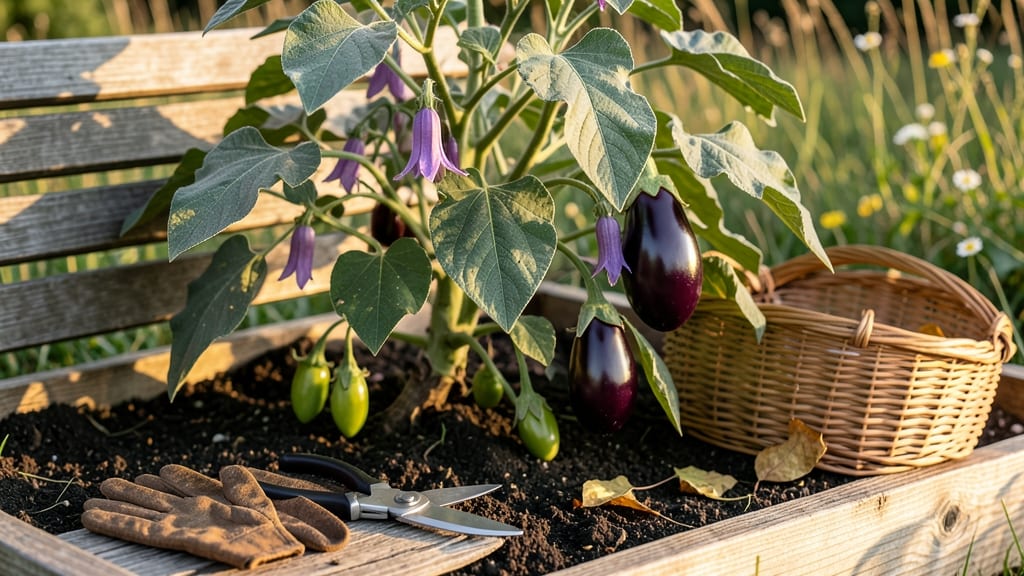
To harvest eggplant at its peak flavor and texture, focus on skin color, firmness, and size—these tell you exactly when to pick 🍆.
Picture this: you’ve nurtured your plants all season, and now the moment of truth arrives. One wrong move, and you’ll end up with bitter, seedy fruit instead of the tender, rich veggies you’ve been dreaming of.
The difference between a perfect harvest and a wasted crop often comes down to a few simple cues you might be missing.
In this guide, I’ll walk you through the key signs of ripe eggplant—like that glossy skin and deep color—and show you the right way to cut it without damaging the plant.
You’ll also learn how to store your harvest so it stays fresh longer, plus what to do if you accidentally pick one too late.
By the end, you’ll know exactly when to reach for those shiny, firm eggplants and how to handle them like a pro, ensuring every bite is as delicious as it looks.
When to harvest eggplant: key visual and texture clues
Knowing when to harvest eggplant is all about reading the fruit's visual cues and texture signals. Unlike some vegetables, eggplant doesn't ripen further after picking, so timing is critical for peak flavor and texture.
Miss the window, and you risk bitter, seedy fruit that's less enjoyable to eat. The good news? With a few simple checks, you can tell exactly when your eggplant is ready to harvest.
Start by examining the skin color, which is your first clue. Most varieties—like the classic Black Beauty or Italian eggplant—develop a deep, rich hue when ripe. For purple types, this means a glossy, almost velvety-black appearance.
White varieties, such as Casper, turn a creamy, uniform shade. Japanese eggplants, like Ichiban, stay lighter but develop a slightly shiny, taut skin when ready.
The shine factor is another game-changer. A ripe eggplant's skin should have a slightly glossy finish, almost like it's been lightly polished. Dull or matte skin means it's not ready yet.
Run your fingers gently over the surface—if it feels smooth and slightly yielding to pressure, that's a green light. Press too hard, though, and you risk bruising the fruit before harvest time.
Don't overlook the size and weight of the eggplant. Most varieties reach maturity between 6 to 10 inches long, depending on the type. Globe eggplants, like Rosa Bianca, tend to be smaller and rounder, while Italian varieties can grow longer and more slender.
A ripe eggplant should feel heavy for its size, almost like it's packed with flavor. If it feels light or hollow when lifted, it’s not ready yet.
Here’s how different eggplant varieties compare at harvest time:
| Variety | Skin Color | Size | Texture Clue | Harvest Time |
|---|---|---|---|---|
| Black Beauty | Deep purple-black | 8-10 inches | Glossy, firm | 75-90 days |
| Italian (Long Purple) | Purple with white streaks | 10-14 inches | Slightly glossy, firm | 80-90 days |
| Japanese (Ichiban) | Light green/white | 4-6 inches | Shiny, tender | 60-75 days |
| Casper (White) | Pure white | 6-8 inches | Smooth, firm | 70-80 days |
| Rosa Bianca | Pinkish-white | 5-7 inches | Glossy, firm | 65-75 days |
One of the easiest tests is the stem twist. Gently grasp the eggplant’s stem and twist it slightly. If it snaps cleanly without resistance, it’s ready to harvest.
If the stem holds firm or tears, wait a few days. This method works especially well for globe varieties, where the stem is thicker and easier to test.
Timing your harvest is also about avoiding overripe fruit. Overripe eggplants develop a dull, wrinkled skin and may feel soft or spongy when pressed. The seeds inside can become large and bitter, ruining the eating experience.
If you notice the fruit starting to split or crack, it’s a clear sign you’ve waited too long. Harvesting regularly—every 2 to 3 days during peak production—encourages more fruit to develop.
For Japanese eggplants, which are often harvested younger, focus on the size and tenderness. These varieties are best when they’re 4 to 6 inches long and still firm but yielding. Their skin should be smooth and slightly shiny, not tough or leathery
Step-by-step eggplant harvesting technique to avoid damage
Now that you’ve spotted your perfectly ripe eggplant, the next step is harvesting it correctly to preserve flavor and prevent damage to the plant. A single wrong cut can leave your eggplant bruised or your plant vulnerable to disease—so let’s do this right.
Start by gathering your tools: a sharp knife or pruning shears, a small bowl to collect your harvest, and a pair of gardening gloves to protect your hands. The goal is to cut cleanly, just above the stem, without tearing the fruit or damaging the plant’s health.
How to Harvest Eggplant Without Damage
- Step 1: Gently grasp the eggplant near the base with one hand while supporting its weight.
- Step 2: Use sharp shears or a knife to cut the stem at a 45-degree angle, about ½ inch above the fruit.
- Step 3: Avoid twisting or pulling—this can bruise the eggplant and tear the plant’s skin.
- Step 4: Leave the stem intact on the harvested eggplant to preserve freshness longer.
- Step 5: Place harvested eggplants in a bowl or basket to avoid stacking and bruising.
After harvesting, inspect your eggplant for any soft spots or bruises. These can develop if you’ve handled the fruit too roughly or if it’s overripe. If you notice minor damage, use the eggplant right away—it won’t store as well.
One of the biggest mistakes gardeners make is waiting too long to harvest. Overripe eggplants become tough, seedy, and bitter, ruining their flavor. If you’ve missed the window, don’t toss them—try roasting or blending them into sauces where texture isn’t as critical.
Finally, resist the urge to harvest in hot afternoon sun. The heat can cause the skin to soften, making it more prone to bruising. Early morning is ideal—your eggplants will stay firmer and fresher for longer.