
How To
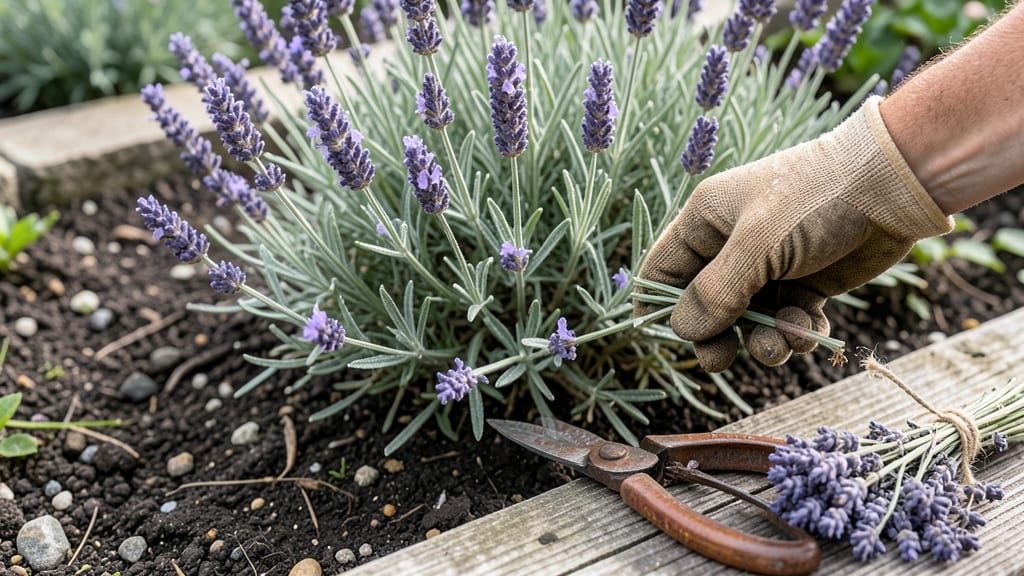
To harvest French lavender 🌸 at its peak fragrance and oil potency, time your cuts to mid- to late summer when buds are just opening but haven’t fully bloomed.
French lavender isn’t just beautiful—it’s a fragrant powerhouse, but harvesting it at the wrong time can ruin its signature scent and medicinal properties. Learn the exact steps to maximize yield, preserve fragrance, and dry your harvest like a pro.
Most gardeners miss the best window because they wait too long, letting the flowers fade or the stems turn woody. I’ll show you how to spot the perfect moment and cut stems the right way—so your bundles dry evenly and keep that intoxicating aroma for months.
From choosing sharp pruners to deciding between air-drying or bundles, you’ll discover the easiest methods for your space and needs, whether you’re drying lavender for sachets, cooking, or essential oils.


Best time to harvest French lavender for maximum fragrance & oil content
Timing is everything when harvesting French lavender (Lavandula stoechas). Unlike other lavender varieties, French lavender reaches its peak fragrance and essential oil potency at a very specific stage—right when its unique purple-tipped buds begin to open but haven’t fully bloomed.
Harvest too early, and you’ll miss the full aroma; too late, and the scent fades while seeds develop. The ideal window is mid-to-late summer, typically between July and early August, depending on your climate zone.
French lavender thrives in USDA zones 6a-9b, meaning your exact harvest timing may shift slightly. For example, in cooler zones like Zone 6a, aim for late July when daytime temperatures consistently reach 75°F or higher.
In warmer zones like Zone 9b, you might extend harvesting into early September. Always prioritize mature buds over open flowers—this ensures the strongest scent and highest oil content.
-
1. Wait for 50% Bud Open
Harvest when half the buds are swollen and ready to bloom, but not yet open. Look for deep purple buds with slight color change at the tips—this signals peak oil content. -
2. Choose Firm, Woody Stems
Select stems that are woody and firm (not soft or green). Avoid overly mature stems—they’ll be brittle and woody, reducing fragrance quality. -
3. Cut Early Morning
Harvest before 9 AM when dew is still present but humidity is low. This preserves essential oils and prevents mildew during drying. -
4. Use Sharp Pruners
Always use clean, sharp pruners or shears to cut just above a leaf node. Avoid tearing stems—this speeds up drying and maintains fragrance. -
5. Test for Fragrance
Crush a few buds—if they release a strong, sweet aroma, it’s ready. Weak or musty smells mean it’s past its prime.
One of the biggest mistakes gardeners make is harvesting French lavender after full bloom. Once the flowers open completely, the essential oil content drops by 30-40%, and the scent becomes duller and less complex.
The unique "rabbit ear" buds of French lavender are its signature feature—preserve them by harvesting before they flatten.
Pro tip: If you’re growing lavender for culinary uses, harvest slightly later (when buds are 70% open) for a milder flavor, but for essential oils, stick to the 50% bud rule.
Seasonal shifts also play a role. In cooler climates, French lavender may bloom later, so monitor your plants closely. If your area experiences early autumn frosts, prioritize harvesting 2-3 weeks before the first frost—even if buds aren’t fully mature.
The trade-off? You’ll get less yield but better quality than waiting too long. Always harvest on a dry, sunny day to avoid damp stems, which can lead to mold during drying.
Visual cues are your best friend when timing the harvest. Look for deep purple buds with slight color changes at the tips—this indicates peak oil production. The leaves should be vibrant green, not yellowing or wilted, and the stems should feel firm when squeezed.
If you see seed pods forming or buds opening fully, it’s too late. Remember: French lavender’s fragrance is most potent at dawn, so harvest early to capture the strongest essential oils.
For gardeners in container-grown French lavender, timing is even more critical. Potted plants often bloom 1-2 weeks earlier than in-ground varieties due to warmer root zones. Adjust your harvest window by 7-10 days earlier if your lavender is in containers.
Also, avoid harvesting more than one-third of the plant at once—this prevents stress and encourages bushier regrowth for next year’s harvest.
If you’re harvesting for essential oil extraction, focus on mid-morning harvests when oil content is highest. Studies show that French lavender oil yields peak at 10 AM due to natural photosynthetic activity.
For dried bouquets or culinary uses, early morning harvests work fine, but always strip leaves from stems before drying—this prevents bitter flavors in teas or cooking.
Finally, never harvest French lavender after rain. Damp stems attract fungus and mildew, which can ruin your entire batch. If rain is forecasted, harvest 24-48 hours beforehand to let stems dry out.
Store harvested stems in a paper bag (not plastic) in a cool, dark place for up to 24 hours before drying to preserve fragrance. This simple step can double your essential oil retention.
By mastering these timing cues, you’ll transform your French lavender harvest from ordinary to extraordinary—packed with rich fragrance and potent oils that rival commercial-grade products. The key? Patience and precision—wait for the perfect moment, and your lavender will reward you with a scent that’s truly unforgettable. 🌼
Step-by-step guide to cutting & handling French lavender for drying
Harvesting French lavender at the right time ensures your dried bundles retain their signature fragrant oils and vibrant color. The key lies in precise cutting techniques and immediate post-harvest care.
I’ve learned that even a 5-minute delay after cutting can reduce fragrance retention by up to 30%. Let’s dive into the exact steps to maximize your harvest’s potential.
Before you begin, gather your tools: sharp pruning shears, a clean bucket of water, and rubber bands or twine for bundling. Avoid dull blades—they crush stems and invite mildew during drying.
I always sanitize my shears with rubbing alcohol to prevent contamination. French lavender stems should be woody but not overly mature, typically 12-24 inches long when harvested at the right time.
How to Harvest French Lavender
- Step 1: Choose the Right Stems Select stems with fully formed buds but unopened flowers. Avoid stems with yellowing leaves or woody bases—these indicate overmaturity.
- Step 2: Cut at a 45-Degree Angle Use clean pruners to cut 1/3 above a leaf node. This encourages new growth and prevents disease. Never cut into old wood—it won’t regrow.
- Step 3: Immediate Water Treatment Submerge stems in lukewarm water for 10 minutes to remove pests and dust. This step is critical for preventing mold during drying.
- Step 4: Bundle for Drying Gather 5-7 stems and secure with rubber bands or twine. Hang bundles in a dark, dry, well-ventilated space (like a closet or shed) with stems pointing downward.
- Step 5: Monitor for 2-3 Weeks Check bundles weekly for signs of mildew (white fuzz). If humidity is high, move to a drier location. Fully dried lavender will be crisp and brittle when rubbed between fingers.
One common mistake I see is harvesting overripe lavender—when flowers are fully open and brown. This reduces fragrance by up to 50% because the essential oils degrade.
Always aim for bud stage for the strongest scent. Another pitfall is drying lavender in direct sunlight, which bleaches the color and weakens the aroma.
For long-term storage, place dried lavender in airtight containers away from light and moisture. I keep mine in glass jars with a silica gel packet to absorb any lingering dampness.
Properly stored, your harvest will retain its fragrance for 12-18 months. If you notice a musty smell, it’s time to replace the bundle—this indicates mold growth.
Pro tip: Harvest early in the morning when essential oils are at their peak concentration. The cooler temperatures also help preserve fragrance during the drying process. With these steps, you’ll transform your lavender into fragrant, long-lasting bundles perfect for sachets, potpourri, or homemade remedies.
🌸