
How To
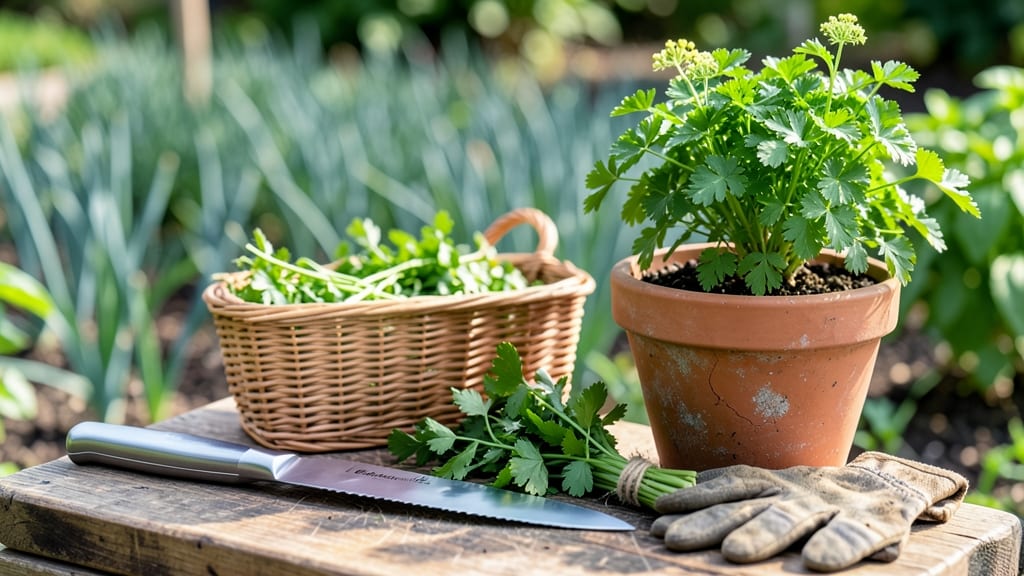
To harvest fresh parsley at its peak flavor while keeping your plant thriving, follow these simple but game-changing steps—because the wrong cut can turn your herb into a sad, stunted shadow of itself.
Most gardeners grab a handful of leaves and snip blindly, but parsley is a perennial that rewards patience. A single wrong cut can leave your plant struggling to bounce back, and that’s why timing, tools, and technique matter just as much as the harvest itself.
In this guide, you’ll discover the best time of day to pick parsley (hint: it’s not mid-afternoon), how to trim stems without sacrificing regrowth, and the one tool that makes all the difference between a clean cut and a jagged mess.
Plus, I’ll show you how to store your harvest so it stays vibrant for up to two weeks—no wilting or flavor fade. Ready to turn your parsley patch into a year-round flavor factory?


When and how to harvest parsley for peak flavor and regrowth
Harvesting parsley at the right time ensures maximum flavor and encourages healthy regrowth. Unlike many herbs, parsley thrives when harvested leaf-by-leaf or with selective stem cuts, but timing matters. I’ve learned that morning harvests yield the brightest flavor and crispest leaves, while afternoon cuts can wilt faster.
The key is balancing harvest intensity with plant recovery—never take more than ⅓ of the plant at once.
Seasonal timing also plays a role. In spring and fall, parsley grows vigorously, making it ideal for frequent harvests. During summer heat, growth slows, so I reduce harvesting to every 10-14 days to avoid stressing the plant.
The first frost signals the end of outdoor harvests in most climates, but if you’re growing parsley in containers, you can bring it indoors for a few more weeks of harvests.
Before you start harvesting, check for these readiness signs: leaves should be 4-6 inches tall, dark green, and firm to the touch. Avoid harvesting when leaves are small or yellowing, as this indicates stress or poor health.
I always harvest parsley when it’s dry and cool—right after morning dew has evaporated but before the midday sun intensifies.
How to Harvest Fresh Parsley: Step-by-Step
- Step 1: Wait until morning when leaves are crisp and dry (avoid wet dew).
- Step 2: Use clean, sharp scissors or fingers to pinch outer leaves (leaf-by-leaf method).
- Step 3: For stem cuts, snip just above a leaf node (never the main stem) to encourage regrowth.
- Step 4: Never remove more than ⅓ of the plant in one harvest to avoid stunting growth.
- Step 5: Rinse leaves gently in cold water and pat dry with a paper towel to preserve freshness.
- Step 6: Store in a sealed container with a damp paper towel in the fridge for up to 10 days.
For flat-leaf parsley, which is more tender, I prefer the leaf-by-leaf method to avoid damaging the plant.
This variety is also more sensitive to over-harvesting, so I limit cuts to once every 7-10 days during peak growth. Curly parsley, on the other hand, is hardier and can handle slightly more aggressive harvesting—though I still follow the ⅓ rule to prevent woody stems.
One mistake I made early on was harvesting parsley after rain, which left the leaves slimy and wilted within hours. Always wait until the plant is completely dry to harvest.
Another tip: if your parsley starts looking leggy or sparse, it’s time to reduce harvesting frequency and focus on fertilizing and watering to encourage bushier growth.
After harvesting, I always trim any damaged or yellow leaves to redirect the plant’s energy toward new growth. This simple step keeps parsley looking neat and productive for months.
I’ve found that parsley harvested in early morning retains its bright green color and zesty flavor longer than afternoon cuts, which can taste slightly bitter.
To maximize regrowth, I fertilize parsley with a balanced 10-10-10 mix every 4-6 weeks during the growing season. This ensures the plant has enough nutrients to bounce back after each harvest. In container gardens, I also add a slow-release fertilizer at planting time to support continuous growth.
If you’re growing parsley for long-term harvests, consider succession planting every 3-4 weeks in spring and fall. This way, you’ll always have a fresh supply without over-reliance on a single plant.
I’ve even had success growing parsley indoors near a south-facing window, where it produces smaller but flavorful leaves year-round.
Remember, parsley is a biennial herb, meaning it can produce edible leaves for two years if cared for properly. With the right harvesting techniques, you’ll enjoy a continuous supply of fresh parsley without sacrificing the plant’s health or flavor. Happy harvesting!
Common harvesting mistakes that kill your parsley plant (and how to avoid them)
Your parsley plant might look healthy, but if you're harvesting wrong, you could be shortening its lifespan or even killing it. Over-harvesting and poor cutting techniques are the top culprits that leave parsley weak and flavorless.
Even small mistakes like cutting too close to the base or ignoring regrowth signals can stunt future harvests.
Parsley is a perennial herb that can thrive for years if cared for properly. But when you harvest too aggressively or at the wrong time, you risk woody stems and reduced flavor.
Many gardeners also make the mistake of harvesting in the heat of the day, which can wilt leaves faster and stress the plant.
⚠️ WARNING: Harvesting Mistakes That Stunt Your Parsley ⚠️
Another common mistake is not maintaining soil moisture after harvesting. Parsley needs consistent moisture to recover quickly. If the soil dries out, the plant will struggle to regrow leaves, leading to a woody, flavorless harvest. Always water deeply after cutting stems to encourage new growth.
Sunlight needs also play a critical role. While parsley thrives in partial shade, it still requires 4-6 hours of sunlight daily. If your plant starts looking pale or sparse after harvesting, it might be getting too little light.
Consider moving it to a sunnier spot or adding a reflective surface to boost light exposure.
Companion planting can also make a difference. Pairing parsley with tomatoes, asparagus, or roses improves its growth and flavor. These plants help deter pests and enrich the soil, giving your parsley the extra nutrients it needs to bounce back after harvests.
Finally, never harvest parsley when it's bolting—that’s when it sends up a tall flower stalk. This happens when parsley senses the end of its growing season and shifts energy to seed production. Once bolting starts, the leaves become bitter and tough, making them unusable.