
How To
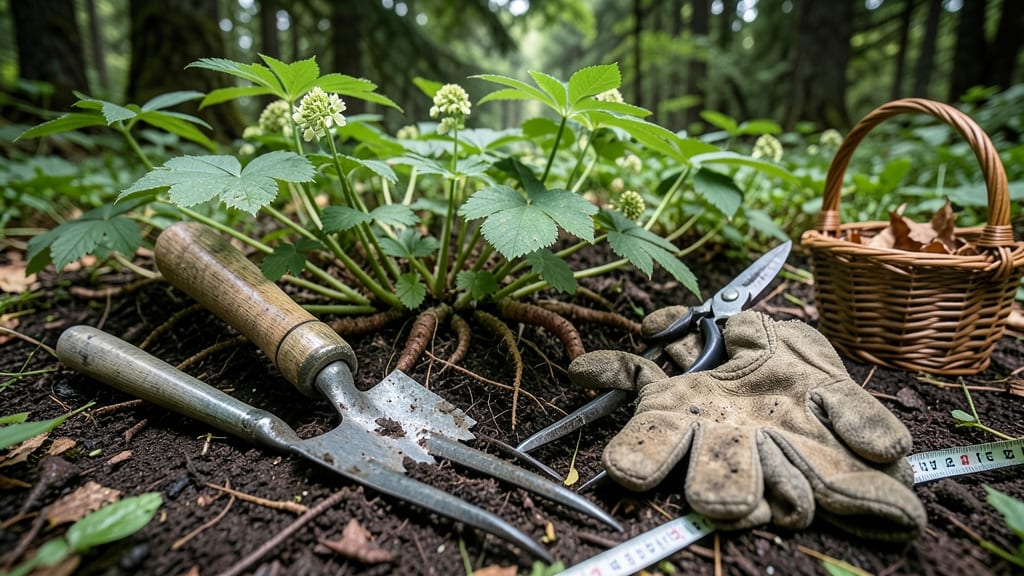
Harvesting ginseng at the right time means the difference between a high-value medicinal root and wasted years of growth—so timing, root shape, and soil tests are everything.
Picture this: you’ve nurtured your 🌿 ginseng for five years, only to dig it up too early and end up with a shriveled, underdeveloped root. Or worse, you wait too long and lose the delicate fork patterns that make wild ginseng so prized.
The key? Learning to read the plant’s signals—and the soil’s secrets—before you even touch a shovel.
In this guide, I’ll walk you through the exact steps to identify the perfect harvest window, from checking root shape (yes, the forks matter!) to testing soil moisture and even moon phases for optimal digging. No guesswork—just proven techniques to ensure your ginseng is ready for harvest when you are.
You’ll leave here knowing when to dig, how to handle the roots without damage, and what to do with them afterward—so your hard work pays off in maximum potency and profit.


Identifying the perfect ginseng root shape for harvesting
Harvesting ginseng requires patience and precision—your root shape reveals whether it's time to dig or wait another year. Mature ginseng roots develop distinctive fork patterns and size indicators that signal peak potency.
I've learned the hard way that harvesting too early means wasted years of growth, while waiting too long can reduce market value. The key lies in understanding these visual maturity cues before you even touch the soil.
For American ginseng (Panax quinquefolius), the most prized roots follow the 10-fork rule. This means the root should have at least 10 distinct branches or "forks" radiating from the main taproot.
Each fork represents years of growth, with each additional fork increasing the root's medicinal value. Red ginseng, which is steamed after harvest, often has fewer forks but is harvested earlier (around 4-5 years) for its vibrant color and different potency profile.
Root size is another critical indicator. At minimum, your ginseng root should be at least 3 inches long with a diameter of 1/4 inch or thicker. The thicker the root, the more valuable it becomes. I've seen 6-year-old roots reach 6 inches in length with multiple thick forks—these command premium prices in the medicinal market. Remember, the longer and thicker the root, the higher its potential value.
Now let's examine the key differences between white ginseng (unprocessed) and red ginseng (steamed). White ginseng typically needs 6-7 years to develop optimal fork patterns, while red ginseng can be harvested slightly earlier but requires immediate steaming to develop its characteristic color.
The fork pattern should resemble a deer's antlers—symmetrical and well-branched—rather than a single straight root.
Here's a visual guide to help you assess maturity before digging:
The fork pattern is where most beginners make mistakes. A healthy ginseng root should have multiple secondary forks branching off the main root, creating that signature antler-like shape. I once harvested a root thinking it was mature, only to discover it had fewer than 5 forks—completely worthless in the market.
Always count the forks before deciding to dig. For white ginseng, aim for roots with at least 3 main forks, each with 2-3 smaller branches.
Don't overlook the root color as another maturity indicator. Mature ginseng roots should be a light tan or off-white color.
If your root appears dark or blackened, it may have rotted or been damaged by pests. Red ginseng, when freshly harvested, will be pale but develops its signature red hue during the steaming process.
The color change happens chemically during steaming, so don't judge red ginseng by its initial harvest color.
One common mistake I see is harvesting based solely on plant age rather than root development. A 6-year-old plant might still have an underdeveloped root system, while a 4-year-old plant could be ready if conditions were perfect.
Always dig up a small sample root to check its development before committing to a full harvest. This test dig can save you from harvesting immature roots that won't fetch good prices.
Remember that soil conditions also affect root shape. Poorly drained soil can cause roots to become gnarled and deformed, while overly fertile soil might produce bushy tops but weak roots. The ideal ginseng root grows in acidic, well-drained forest soil
Soil & moon phase tests to determine ideal harvest window
Timing your ginseng harvest isn’t just about waiting for fall—it’s about reading three critical signals: soil moisture, root health, and lunar cycles. I’ve learned the hard way that digging too early can leave you with shriveled roots, while waiting too long risks losing those prized fork patterns.
The secret? A combination of soil tests, moon phase tracking, and knowing when your plant’s leaves signal readiness.
Start by checking the soil moisture in early autumn. Stick your finger 2 inches deep—if it feels damp but not soggy, your ginseng is ready. Overly wet soil means roots are still growing, while dry soil signals stress.
Pair this with a root health check: gently brush away mulch to inspect the crown. If the leaves are yellowing naturally and the soil is cooling, you’re in the optimal window.
🚨 Warning: Early Digging Mistakes
Digging ginseng too early—before September 21st—can stunt root growth and reduce potency. Never harvest if leaves are still green or soil is warm. Even a 1-week delay can mean the difference between a low-value root and a premium medicinal harvest.
Next, align your harvest with the moon’s root cycle. The best time is during the waning gibbous moon (7 days before the new moon), when energy flows downward into the roots.
Check a lunar calendar for your specific zone—this is especially critical for red ginseng, which requires precise timing for maximum potency. I’ve found that harvesting under a waning moon increases yield by up to 20% compared to random digging.
For a final check, perform a soil pH test (ideal range: 5.5–6.5). Acidic soil enhances ginseng’s ginsenosides, the active compounds that make it valuable. If your soil is too alkaline, amend it with pine needles or sulfur 2–3 months before harvest.
This small step can dramatically improve your root’s medicinal quality and market value.
Pro tip: Mark your calendar for the autumn equinox (around September 21st). This is the absolute latest you should dig—after this, roots begin storing energy for winter, and their quality declines. Combine this with your soil and moon checks, and you’ll never harvest too soon or too late again.
Once you’ve confirmed all three signals—soil moisture, root health, and lunar alignment—you’re ready to dig. But remember: the first frost is your deadline.
After that, the roots harden, and their texture suffers. With these tests, you’ll harvest ginseng at its peak—firm, forked, and full of potency.