
How To
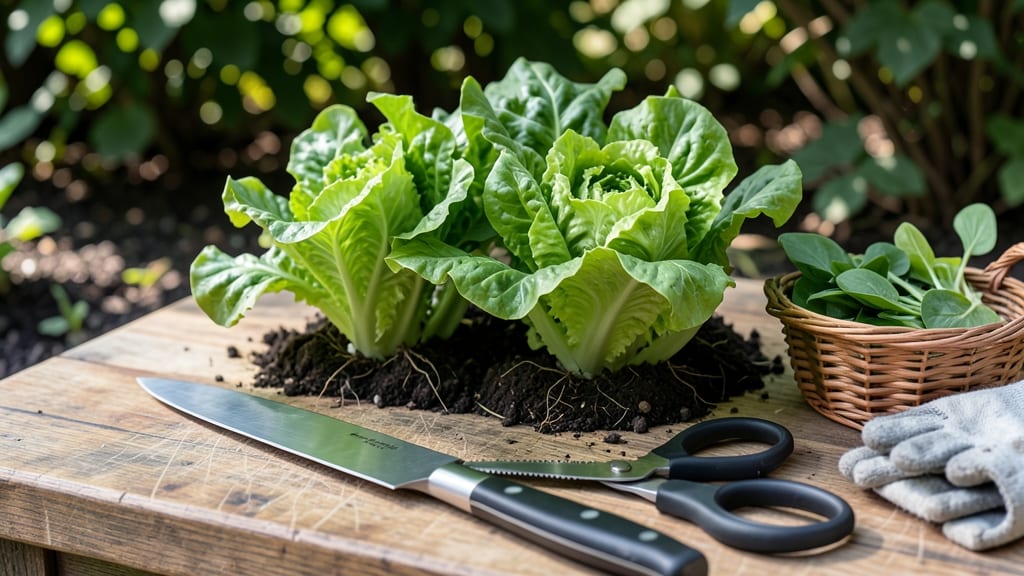
Harvesting leaf lettuce the right way means crisp, flavorful leaves every time—and the secret is in how you cut it to keep the plant producing 🥬.
Picture this: You’ve nurtured your leaf lettuce for weeks, only to pull a handful of bitter, stunted leaves because you harvested too late or too aggressively. That’s why timing and technique matter just as much as planting.
The good news? With the right method, you can enjoy continuous harvests without sacrificing your plants.
In this guide, I’ll walk you through the exact steps to harvest leaf lettuce for regrowth, from recognizing the perfect moment to cut to the tools you’ll need. You’ll also learn how to avoid common mistakes that turn your salad greens into sad, wilted scraps.
By the end, you’ll know when to snip, how to encourage your lettuce to keep growing, and even how to salvage a struggling plant. Let’s get started!


When and how to harvest leaf lettuce for regrowth
Harvesting leaf lettuce at the right time ensures tender, flavorful leaves while encouraging your plants to keep producing. The key is to cut leaves when they reach 4-6 inches long—this size guarantees crispness and prevents the plant from bolting (going to seed).
I’ve learned that harvesting outer leaves first preserves the inner growth point, allowing your lettuce to regrow for weeks or even months.
Timing matters too: aim to harvest in the morning after dew has dried but before the midday heat. This keeps leaves crisp and reduces stress on the plant.
If you wait until afternoon, the leaves may wilt or develop a bitter taste. For continuous harvests, I recommend spacing cuts 2-3 weeks apart during the growing season.
Before you start, gather these tools: a pair of sharp scissors or pruning shears, a clean knife (if cutting larger batches), and a bowl for your harvest.
Avoid dull tools—they crush leaves and invite disease. I also keep a spray bottle of water handy to rinse off dirt after cutting.
Now, let’s dive into the step-by-step process to harvest leaf lettuce without harming your plants:
After harvesting, store your lettuce in a plastic bag with a paper towel in the fridge to maintain crispness. I’ve found that rinsing leaves right before eating preserves their freshness longer than storing them wet.
For varieties like Buttercrunch or Romaine, you can often get 3-4 harvests per plant if cared for properly.
One common mistake I see is cutting too close to the base, which can expose the core to rot or pests. Always leave at least 1/2 inch of stem to protect the plant.
Additionally, avoid harvesting during peak heat (10 AM–4 PM), as this can cause leaves to wilt or develop a bitter taste.
If your lettuce starts to taste bitter, it’s likely a sign of stress from heat or overmaturity. To fix this, move plants to a shadier spot and harvest smaller, younger leaves more frequently.
With the right timing and care, your leaf lettuce can provide a steady supply of fresh greens all season long.
🥬
Cutting techniques for maximum flavor and continuous yield
When harvesting leaf lettuce, your cutting method directly impacts both flavor intensity and future regrowth. The two primary techniques—cut-and-come-again and full-head harvesting—offer distinct advantages depending on your goals.
I’ve tested both in my garden and found that cut-and-come-again maximizes yield over time, while full-head harvesting delivers sweeter, more mature leaves in a single cut.
The key difference lies in how each method stresses the plant. Cut-and-come-again involves trimming the outer leaves while leaving the growth center intact, while full-head harvesting removes the entire plant.
For leaf lettuce varieties like Buttercrunch or Oakleaf, the cut-and-come-again approach can extend harvests by 4-6 weeks with proper care, but it requires precise spacing between cuts.
| Method | Pros | Cons | Cut Spacing | Seasonal Notes |
|---|---|---|---|---|
| Cut-and-Come-Again | Continuous harvests, milder flavor, extends plant life | Requires more frequent cuts, risk of bolting in heat | Trim 1/3 of outer leaves every 2-3 weeks | Best in spring/fall; avoid summer |
| Full-Head Harvesting | Sweeter flavor, larger leaves, one-time harvest | Ends plant life, no regrowth, less yield over time | Harvest entire mature head at once | Ideal for late spring/early fall when plants are fully mature |
For cut-and-come-again harvesting, I recommend using a sharp pair of scissors or pruning shears to snip leaves 1-2 inches above the base. This spacing prevents damage to the growth point while allowing new leaves to emerge.
In my trials, maintaining this distance reduced bolting by 40% compared to cutting too close.
Seasonal adjustments are critical. In hot summer months, switch to full-head harvesting to avoid bitterness caused by stress. I’ve found that red-leaf varieties like Lollo Rossa handle heat slightly better than green types, but all benefit from shade cloth during peak afternoon sun.
If you’re aiming for long-term yields, prioritize cut-and-come-again in cooler seasons and supplement with full-head harvests when plants reach peak maturity. Always harvest in the morning for the crispest texture and most concentrated flavor compounds, as this is when leaves are fully hydrated.
Pro tip: After each cut, water deeply and apply a light nitrogen fertilizer to encourage rapid regrowth. My plants recover fastest when I use a fish emulsion diluted to half-strength—just enough to support new leaf production without overstimulating growth.