
Plants
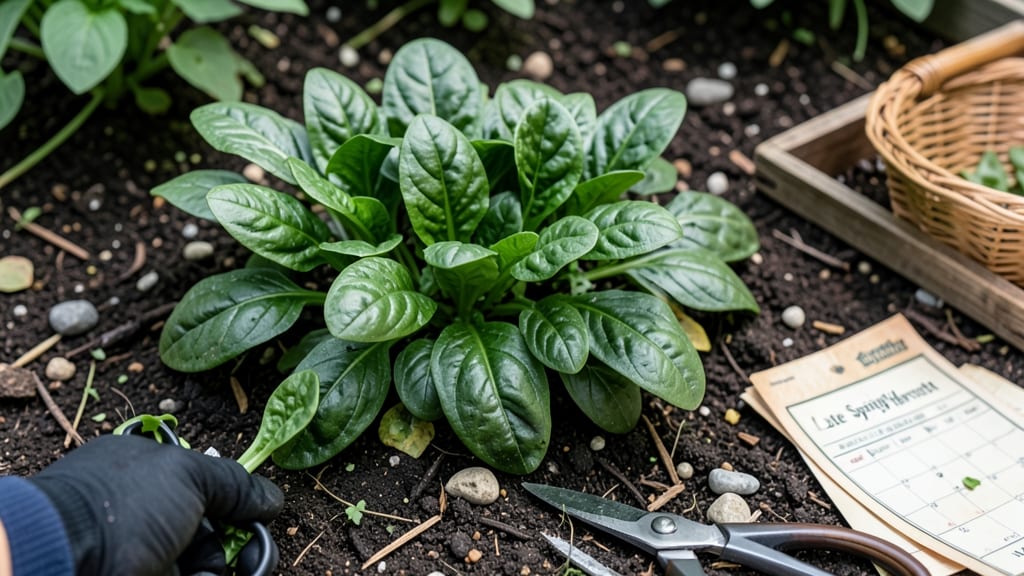
Harvesting spinach plants at the right time keeps your greens tender and flavorful—30 to 45 days after planting is the sweet spot for baby leaves, while mature plants take 50+ days.
Picture this: you’ve nurtured your 🌱 spinach through cool spring mornings, only to pull a leaf and find it tough and bitter. That’s the sign you waited too long.
The key is watching for leaves that are 4-6 inches long, deep green, and fully formed—before the plant bolts and turns woody.
Timing matters even more in Zone 6a, where spring harvests run from April to May and fall harvests stretch into October. Miss the window, and you’ll sacrifice both taste and regrowth potential. But get it right, and you’ll enjoy a steady supply of fresh greens all season long.
In this guide, I’ll walk you through the exact visual cues to harvest, whether you’re picking individual leaves or cutting entire outer stalks for continuous growth. Plus, I’ll share pro tips to avoid common mistakes that turn your spinach into a sad, bitter disappointment.


How to identify the perfect time to harvest spinach for maximum yield
Harvesting spinach at the right time transforms your garden from a bitter disappointment to a flavorful feast. The key lies in watching for visual and physical cues that signal peak tenderness.
Unlike many vegetables, spinach rewards patience—harvesting too early means stunted growth, while waiting too long turns those lush greens into tough, fibrous stalks. I’ve learned the hard way that timing is everything for continuous regrowth and maximum yield.
For baby spinach leaves, you’ll typically see readiness between 30-45 days after sowing, while full-size leaves mature in 50+ days. The difference isn’t just about size—it’s about texture, color, and flavor.
Baby leaves are delicate and sweet, perfect for salads, while mature leaves hold up better for cooking but require careful timing to avoid bitterness. Let’s break down the unmistakable signs that your spinach is begging to be harvested.
| Harvest Stage | Leaf Size | Color | Texture | Days to Maturity | Harvest Tip |
|---|---|---|---|---|---|
| Baby Leaves | 2-4 inches | Bright green | Tender, delicate | 30-45 days | Pick outer leaves first |
| Mature Leaves | 4-6+ inches | Deep green | Crisp but still tender | 50-60 days | Harvest outer 1/3 of plant |
| Overmature | 6+ inches | Yellowing or red | Tough, fibrous | 60+ days | Avoid—bitter flavor |
| Bolting | Any size | Pale or streaked | Brittle, flowering | Heat stress | Harvest immediately |
First, check the leaf size—this is your most reliable indicator. For baby spinach leaves, aim for 2-4 inches long. These tiny leaves are perfect for salads and sandwiches, offering a sweet, mild flavor that larger leaves lack.
If you’re growing spinach for cooking or sautéing, wait until leaves reach 4-6 inches. At this stage, they’re still tender but heartier, making them ideal for stir-fries or soups.
Next, examine the color and texture. Ready-to-harvest spinach leaves should be a vibrant, deep green. Avoid leaves that are pale, yellowing, or developing red streaks—these are signs of stress or overmaturity. Run your fingers over the leaves: they should feel crisp yet tender.
If they’re tough or fibrous, you’ve missed the window. Remember, spinach leaves closest to the outer edges of the plant mature first, so start there to encourage continuous growth.
Pay attention to the plant’s overall health. A thriving spinach plant will have 5-6 mature leaves radiating from the center. If the plant looks crowded or leggy, it’s time to harvest. Thin out the outer leaves to improve air circulation and prevent disease.
Pro tip: Harvest in the morning after the dew has dried but before the sun intensifies. This ensures the leaves are at their peak crispness and flavor.
One of the biggest mistakes I’ve seen gardeners make is waiting until the leaves are too large or bolting. Bolting occurs when spinach sends up a flower stalk, usually due to heat stress or long days. Once bolting starts, the leaves become bitter and tough.
If you notice your spinach bolting, harvest what you can immediately—even if the leaves aren’t fully mature—and consider shading the plants or planting a fall crop to avoid this issue in the future.
For continuous harvests, adopt a cut-and-come-again approach. Instead of pulling the entire plant, snip or cut the outer leaves about 1 inch above the soil line. This encourages the center to produce new growth.
Just be sure to never remove more than 1/3 of the plant at once, or you’ll stunt its ability to regrow. With this method, you can enjoy spinach for weeks from a single planting, maximizing your yield without sacrificing quality.
Seasonal timing also plays a role. In spring and fall, when temperatures are cooler, spinach grows more slowly, giving you more control over harvest timing. During hot summers, spinach bolts quickly, so focus on early morning harvests and provide afternoon shade if possible.
I’ve found that fall plantings often yield the most tender spinach because the cooler weather slows down the growth process, allowing leaves to mature more evenly.
Finally, trust your
Spinach harvesting methods: leaf-by-leaf vs. cut-and-come-again for continuous growth
When it comes to harvesting spinach, you’ve got two main approaches that can dramatically impact your yield and plant health. The leaf-by-leaf method lets you pick individual mature leaves while leaving the rest to grow, perfect for a steady supply.
Meanwhile, the cut-and-come-again technique involves snipping entire outer stalks to encourage bushier regrowth. Both methods work, but the timing and execution make all the difference.
For leaf-by-leaf harvesting, I recommend plucking outer leaves that reach 4-6 inches long while the inner leaves remain small. This method is ideal for baby spinach lovers because it allows you to harvest continuously without stressing the plant.
However, it’s crucial to avoid taking too many leaves at once—never remove more than 1/3 of the plant to prevent stunting growth.
When to Harvest Spinach Plants: Leaf-by-Leaf vs. Cut-and-Come-Again
Leaf-by-Leaf Method
- Pros: Continuous harvest, minimal plant stress
- Cons: Slower regrowth, less bushy plants
Best for: Small gardens, baby leaves, steady supply
Cut-and-Come-Again Method
- Pros: Encourages bushier growth, larger yield
- Cons: Requires more frequent harvesting, risk of over-cutting
Best for: Larger plants, full-size leaves, seasonal harvests
Seasonal Tip: In Zone 6a, use cut-and-come-again in spring (April-May) and leaf-by-leaf in fall (September-October) to maximize yield before frost.
The cut-and-come-again method is my go-to for larger spinach plants, especially when I want to encourage bushier regrowth. To do this, I cut the entire outer stalk about 1-2 inches above the soil line, leaving the inner leaves intact.
This stimulates the plant to produce more side shoots, giving you a second (or even third!) harvest. Just be sure to leave at least 3-4 inner leaves to keep the plant healthy.
Seasonal adjustments are key for year-round production. In cool spring months, I prioritize the cut-and-come-again method to take full advantage of the plant’s rapid growth.
But when temperatures rise in late spring or early summer, I switch to leaf-by-leaf harvesting to avoid heat stress, which can cause spinach to bolt prematurely. A light shade cloth can also help extend the harvest window during hot spells.
One common mistake I’ve seen is harvesting too close to the base, which can damage the plant’s growing point. Always leave a 1-2 inch stem to ensure regrowth. Another tip: harvest in the morning when leaves are crisp and full of moisture.
This not only improves flavor but also reduces stress on the plant. Plus, it’s easier to spot mature leaves when they’re fresh and turgid.
For continuous growth, I recommend alternating between the two methods. Start with cut-and-come-again for the first harvest, then switch to leaf-by-leaf as the plant matures. This balance keeps your spinach productive and prevents overharvesting.
And remember, spinach thrives in cool weather, so plan your harvests around spring and fall for the best results.