
How To
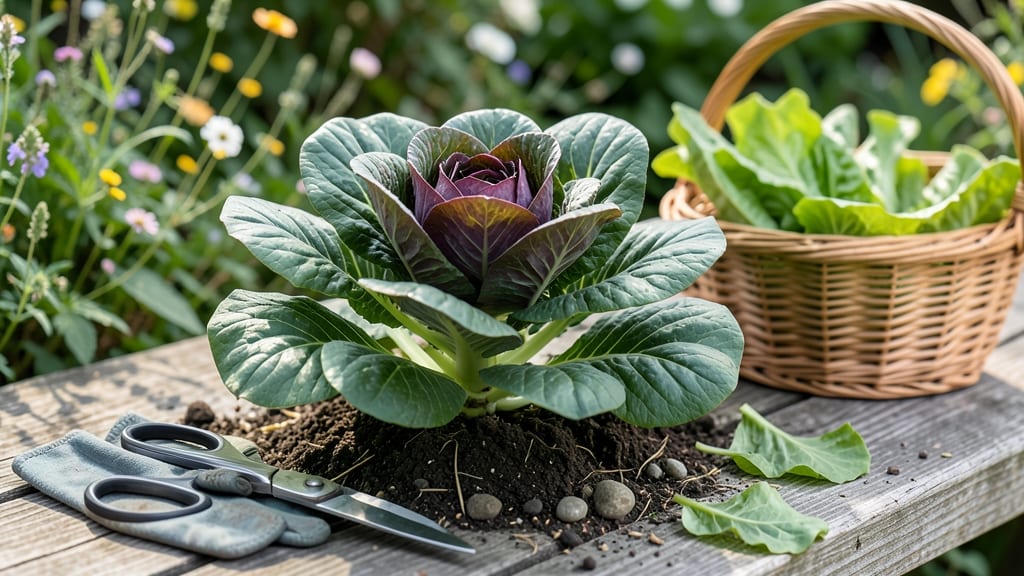
Harvesting lettuce properly means you get the crispest, most flavorful leaves while keeping your 🥬 plant happy for weeks of fresh greens.
Picture this: you’ve nurtured your lettuce for weeks, and now it’s time to pick. But if you cut too much—or too little—you could end up with bitter leaves or a plant that bolts too soon.
The key is timing and technique, and I’ll show you exactly how to do it right.
Whether you’re growing leaf lettuce for continuous harvests or a full head of romaine, knowing when to snip makes all the difference. Too early, and the leaves are still tender; too late, and they turn tough or bitter.
I’ll walk you through the best signs to watch for and the easiest methods to keep your plants producing.
You’ll also discover how to encourage regrowth so you can enjoy fresh lettuce all season long—no wasted effort, just a steady supply of homegrown goodness. Let’s get started!


When to harvest lettuce for maximum flavor and crispness
Timing your lettuce harvest is everything—pick too early, and you’ll sacrifice flavor; wait too long, and you risk bolting or bitter leaves. The key lies in understanding your lettuce variety and reading the plant’s maturity signals.
Different types mature at different rates, and climate plays a surprising role in when to harvest for that perfect crisp, sweet texture we all crave.
For leaf lettuce like romaine or butterhead, you can start harvesting as soon as the outer leaves reach 4-6 inches long.
This is when they’re tender but still packed with flavor. Loose-leaf varieties like oakleaf or red leaf are even more forgiving—they let you pick individual leaves over weeks, giving you a steady supply. The trick? Never take more than 1/3 of the plant at once to keep regrowth strong.
Climate matters too. In cooler spring and fall weather, lettuce grows slower, so you’ll harvest later—around 45-60 days after planting. But in hot summer months, lettuce bolts quickly (sends up a flower stalk), so harvest sooner—around 30-40 days—or provide shade to delay maturity.
Even a few extra degrees can turn your crisp lettuce into a bitter disappointment.
Here’s how to spot the perfect harvest window for each type:
| Variety | Harvest Time | Leaf Size | Climate Note |
|---|---|---|---|
| Leaf Lettuce (Romaine, Iceberg) | 45-60 days | 4-6" outer leaves | Slower in cool weather |
| Butterhead (Bibb, Boston) | 40-50 days | Soft, 6-8" heads | Harvest heads when fully formed |
| Loose-Leaf (Oakleaf, Red Leaf) | 30-40 days | 3-5" individual leaves | Harvest leaves as they mature |
| All Varieties (Summer Heat) | 30-40 days | Smaller, 2-3" leaves | Bolting risk—harvest early |
One of the biggest mistakes I see is waiting until the entire head is fully mature. By then, the center leaves might be tough or bitter. Instead, focus on the outer leaves—they’re the sweetest and crispiest.
For romaine, you can harvest the whole head when it’s firm and upright, but for butterhead, wait until the head is fully rounded and the leaves are soft to the touch.
Pay attention to the color and texture too. Vibrant green leaves with a slight sheen are a sign of freshness. If the leaves start turning yellow or the edges crisp up (a sign of drying), it’s time to harvest immediately.
And if you see a flower stalk emerging from the center, you’ve waited too long—the lettuce is bolting, and the flavor will turn bitter.
Morning is the best time to harvest lettuce. The leaves are fully hydrated from overnight watering, making them crisp and flavorful. Avoid harvesting in the afternoon heat, as the leaves can wilt quickly and lose their snap.
If you must harvest later in the day, store the lettuce in a plastic bag in the fridge until you’re ready to use it.
Pro tip: If you’re growing lettuce for continuous harvests, use the cut-and-come-again method. Snip the outer leaves just above a set of inner leaves, leaving at least 2 inches of growth.
This encourages the plant to regrow, giving you a second (or even third!) harvest. Just be sure to keep the soil moist and fertilize lightly with a high-nitrogen feed to support regrowth.
For head lettuce varieties like iceberg or crisphead, harvest the entire head when it’s firm and fully formed. Use a sharp knife to cut the head cleanly at the base, leaving the roots intact.
This method is best for a one-time harvest, as these varieties don’t regrow well after cutting.
Finally, don’t ignore the weather forecast. If a heatwave is coming, harvest your lettuce early to avoid bolting. Similarly, if frost is on the way, bring potted lettuce indoors or harvest what you can before temperatures drop.
With the right timing, you’ll enjoy crisp, flavorful lettuce all season long—no bitterness or disappointment in sight!
Step-by-step lettuce harvesting methods for regrowth success
Harvesting lettuce correctly is the key to enjoying a continuous supply of fresh, crisp leaves. The cut-and-come-again technique is my go-to method for maximizing regrowth, but knowing when to harvest whole heads matters too.
Whether you're growing loose-leaf varieties or romaine hearts, proper timing and technique ensure your plants keep producing.
Before you grab your shears, gather the right tools: a sharp pair of scissors or pruning shears, clean gloves, and a bowl for your harvest. Avoid dull blades—they crush leaves and invite disease. I always sanitize my tools with rubbing alcohol before use to prevent cross-contamination between plants.
Here’s my proven step-by-step method for harvesting lettuce while ensuring regrowth:
Timing matters too—harvest in the early morning when leaves are crispest and most flavorful. Avoid harvesting during heatwaves, as this stresses the plant and can lead to bolting. I’ve found that spring and fall harvests yield the sweetest, most tender leaves.
Pro tip: If your lettuce starts to bolt (sending up a flower stalk), harvest the outer leaves immediately and transplant the inner core into cooler soil to extend your harvest season. This trick works wonders in warm climates where bolting is common.
With these methods, you’ll enjoy a steady supply of homegrown lettuce for months—no need to replant! Just remember: patience and precision are your best friends in the garden. 🥬