
How To
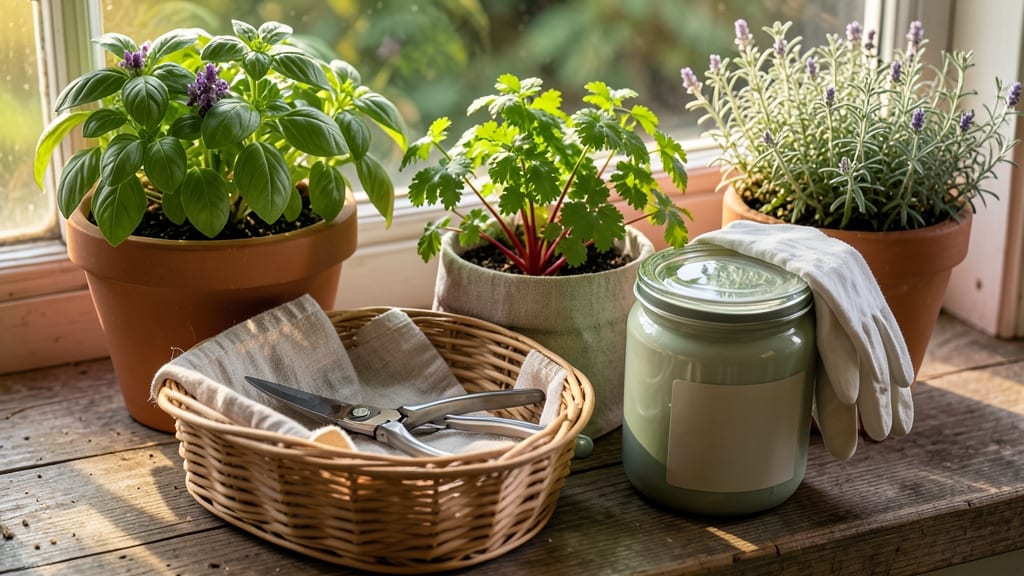
Harvesting pot plants at the right time means the difference between a flavorful, abundant yield and a bitter, wasted effort — especially when you’ve poured time and care into your 🏺 container garden.
Picture this: you’ve nurtured your basil for weeks, only to snip it too early and watch its leaves turn bitter, or worse, let your tomatoes ripen on the vine until they split.
Knowing when to trim isn’t just about timing—it’s about recognizing subtle cues like color shifts, texture changes, or even the plant’s growth patterns.
In this guide, I’ll walk you through the key signs that your pot plants are ready for harvest, from herbs like basil to vegetables like tomatoes and peppers.
You’ll also learn the best tools and techniques to use, so you can maximize your yield without stressing your plants—and keep them thriving for future harvests.
Whether you’re a seasoned gardener or just starting with container plants, these steps will help you avoid common mistakes and ensure your homegrown bounty stays fresh, flavorful, and plentiful all season long.


When to harvest pot plants: signs of peak ripeness by plant type
Harvesting your pot plants at the right time ensures the best flavor, potency, and yield. For herbs like basil, you'll want to check leaf color and stem flexibility, while vegetables like tomatoes need firmness and vibrant color.
Even flowering plants like marigolds have specific cues—like fully opened blooms—that signal it's time to pick. Missing these signs can mean underripe or overripe harvests, so let's break down the key indicators for each plant type.
Every plant has its own maturity timeline, but most pot plants share common visual cues.
Look for color changes, such as deep green leaves turning slightly purple or red, or flowers fully opening. Texture also plays a role—herbs should snap easily when bent, while fruits should feel firm but yield slightly to pressure.
Ignoring these signals can lead to bitter flavors or stunted growth, so pay close attention to your plants' progress.
Herbs like basil, mint, and cilantro are ready when their leaves are fully sized and fragrant. Pinch off the top sets of leaves to encourage bushier growth, but avoid harvesting more than one-third of the plant at once. For aromatic herbs, the stronger the scent, the riper they are. If you're growing cannabis, look for resinous buds that are mostly covered in trichomes—tiny, mushroom-shaped crystals visible under magnification.
| Plant Type | Maturity Signs | Best Harvest Time | Notes |
|---|---|---|---|
| Herbs (Basil, Mint, Cilantro) | Leaves fully sized, strong aroma, stems snap easily | Morning, before sun peaks | Harvest outer leaves first |
| Vegetables (Tomatoes, Peppers, Lettuce) | Fruits firm but yield slightly, vibrant color, seeds visible (tomatoes) | Early morning for freshness | Avoid overripe or cracked produce |
| Cannabis | Buds fully covered in trichomes, pistils turn orange/brown | Late morning, dry weather | Use pruning shears for clean cuts |
| Flowers (Marigolds, Nasturtiums) | Fully opened blooms, vibrant color, no wilting | Early morning, dry stems | Cut stems at 45-degree angle |
Vegetables like tomatoes, peppers, and lettuce have distinct ripeness cues. Tomatoes should turn fully red, yellow, or their variety-specific color and feel heavy for their size. Peppers should be firm, glossy, and deep in color—avoid harvesting when they're still green unless you're growing a green variety. For leafy greens, look for crisp leaves and a slight bitter taste when young; overgrowth can make them tough and less flavorful.
For flowering plants, timing is critical. Harvest flowers when they're fully opened but before they wilt. This ensures maximum vase life and freshness. If you're growing edible flowers like nasturtiums, pick them in the morning when their petals are dry and vibrant.
Overlooking these details can turn a beautiful bloom into a sad, drooping mess within hours.
If you're growing cannabis in pots, pay close attention to the trichome color. Clear trichomes indicate early harvest, while amber trichomes suggest it's time to pick for a more sedating effect.
Use a magnifying glass to check for these tiny crystals—this small step can make a huge difference in potency and flavor. Always harvest on a dry, cloudy day to prevent mold and mildew from developing on freshly cut buds.
One common mistake is waiting too long to harvest. Overripe herbs lose their flavor, vegetables become mushy, and flowers wilt quickly. To avoid this, set a reminder to check your plants daily during their peak growing season.
If you notice leggy growth or yellowing leaves, it might be time to harvest or prune to encourage healthier regrowth.
For continuous harvests, like with basil or lettuce, you can pinch off leaves regularly to promote new growth. This method works best for fast-growing plants that recover quickly.
For biennial plants like carrots or beets, harvest before they bolt—when their tops turn yellow and flower stalks appear. This ensures tender roots and prevents bitterness.
Always use clean, sharp tools when harvesting to avoid damaging the plant. Dull scissors or shears can crush stems and invite disease. For delicate herbs, snip just above a leaf node to encourage branching.
For larger plants, like tomatoes, use pruning shears to cut the stem cleanly without tearing the plant.
Finally, harvest in the early morning when plants are hydrated and cool. This reduces stress on the plant and ensures the freshest produce. Store harvested items in a cool, dark place until you're ready to use or preserve them.
With these tips, you'll maximize your harvest and keep your pot plants thriving all season long. 🌿
Step-by-step harvesting techniques for maximum yield without damaging plants
Harvesting pot plants correctly ensures you get the best yield while keeping your plants healthy for future growth. The wrong technique can stress plants, reduce quality, and even stunt future harvests. Whether you're growing herbs, cannabis, or vegetables, the right approach makes all the difference.
I’ve learned that timing and method vary by plant type, so let’s break it down for maximum results.
Before you start, gather the right tools. A sharp pair of pruning shears or scissors prevents tearing, while a small knife works for delicate stems. Gloves protect your hands, and a clean container keeps your harvest organized.
Avoid dull tools—they crush stems and invite pests. I always sanitize my tools with rubbing alcohol to prevent disease spread between harvests.
How to Harvest Pot Plants
- 1
- 2
- 3
- 4
- 5
Harvest in the morning when moisture levels are high and plants are fresh. For herbs, pick just before flowering for maximum flavor. Cannabis should be harvested when 70-90% of trichomes are cloudy (use a magnifying glass).
Sterilize scissors or shears with rubbing alcohol to prevent disease. Use sharp tools to make clean cuts—never tear leaves or stems. For delicate plants like basil, pinch stems with your fingers instead of cutting.
For leafy greens, harvest outer leaves first to encourage new growth. For cannabis, cut entire branches at the main stem. Avoid over-trimming—leave 20-30% of foliage to sustain photosynthesis. I always leave a few lower leaves to protect the stem.
Place harvested plants in a paper bag or container to retain moisture. For herbs, bundle stems and hang upside down to dry. For cannabis, trim large leaves immediately to speed drying. Avoid crushing branches to prevent mold.
After harvesting, water your plants to restore moisture and fertilize lightly with a balanced nutrient (10-10-10) to encourage regrowth. Prune any damaged or diseased leaves immediately. I’ve found that a weekly check keeps plants thriving for future harvests.
Different plants require unique approaches. For example, tomatoes should be harvested when fully colored and slightly soft to the touch, while peppers are best picked when firm and vibrant.
I’ve noticed that cannabis benefits from a two-step harvest: first trimming large leaves, then drying buds separately. This reduces stress and improves final quality.
One common mistake is harvesting too much at once. Over-trimming can shock plants, especially in small pots. I limit myself to 30% of the plant’s foliage per session to maintain energy production.
For herbs like mint or basil, regular light pruning encourages bushier growth. Always leave enough leaves to support photosynthesis—this keeps your plants productive.
After harvesting, monitor your plants closely. Yellowing leaves or stunted growth may signal stress. Adjust watering or fertilizing as needed to help recovery. With the right technique, you’ll enjoy consistent yields and healthier plants for seasons to come. Happy harvesting! 🌿✂️