
How To
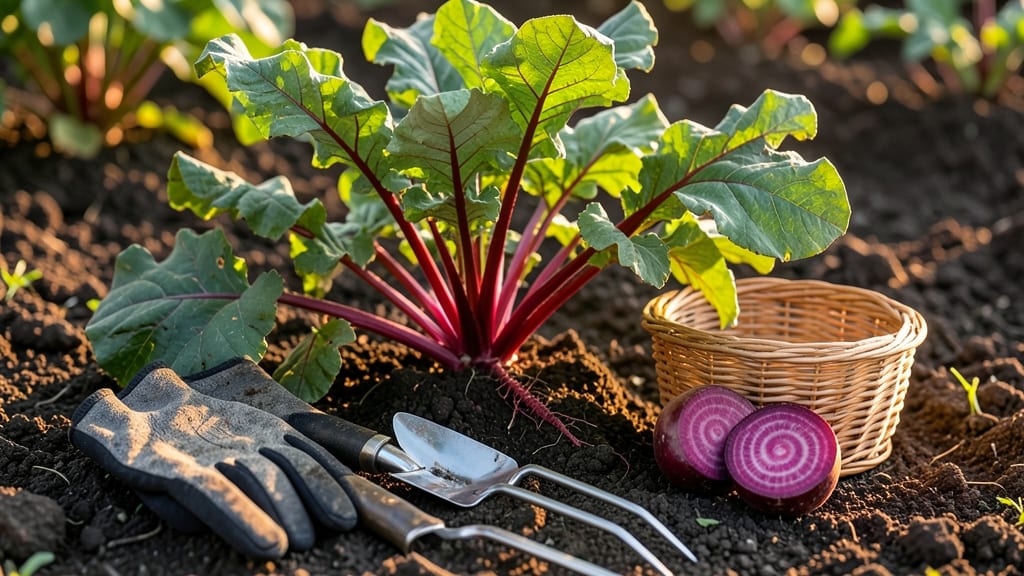
Knowing when to harvest beets means pulling them at the perfect moment for tender roots and sweet flavor—here’s how to tell they’re ready.
If you’ve ever dug up a beet only to find it woody or underdeveloped, you know timing is everything. 🍠 The difference between a crisp, flavorful harvest and a tough, bitter root often comes down to a few simple checks—root size, leaf color, and soil firmness.
Miss these cues, and you might end up with beets that are either too small or past their prime.
For gardeners in Zone 6a, the window runs from June to October, but the key is watching the plants, not the calendar. A mature beet’s roots should be 1–3 inches in diameter, while the foliage should reach 4–6 inches tall.
If the leaves start yellowing or the roots feel soft when pressed, it’s time to harvest before they bolt or turn fibrous.
Below, I’ll break down the exact visual and physical signs to look for, plus how to store your harvest so it stays fresh. No more guesswork—just perfect beets, every time.


How to check beet root size for perfect harvest timing
Knowing when to harvest beets depends heavily on root size, as this determines both tenderness and flavor intensity. Baby beets are typically ready when they reach 1-2 inches in diameter, while mature varieties should be 2-3 inches across for optimal sweetness.
The thumb-width rule is my go-to method for quick checks—simply wrap your thumb around the root to estimate size.
For baby beets, aim for harvest when roots are about the size of a golf ball (1 inch diameter). These are perfect for salads and quick cooking, offering a milder, sweeter taste compared to larger roots.
If you're growing varieties like 'Babybeat' or 'Little Ball', they'll often be ready in just 45-50 days, making frequent checks essential.
Mature beets, such as 'Detroit Dark Red' or 'Golden', should be harvested when they reach 2-3 inches in diameter. At this stage, the roots will be firm to the touch and have developed their full color intensity.
Overlooking this size can lead to woody, less flavorful roots, so regular monitoring is key.
Seasonal variations play a crucial role in harvest timing. In cooler spring months, beets grow more slowly, so you may need to wait an extra 7-10 days for roots to reach ideal size.
Conversely, summer heat can accelerate growth, meaning you might harvest 10-14 days earlier than expected. Always adjust your expectations based on your local climate and soil temperature.
To check root size without digging up the entire plant, use a soil probe or garden trowel to gently expose one beet per hill. This non-destructive method lets you verify size while leaving others in the ground.
For containers or small gardens, this technique is especially useful since space is limited, and you want to avoid disturbing the entire crop.
One common mistake is waiting too long for larger roots in hopes of sweeter flavor. While it's true that beets develop more sugar as they mature, waiting past 3 inches in diameter often results in woody, tough roots.
Instead, focus on harvesting at the peak size for your variety—this ensures both tenderness and sweetness.
For longer storage, allow roots to grow slightly larger (3-4 inches) and harvest just before the first frost. These beets will keep well in a cool, dark place for up to 3-4 months.
Varieties like 'Chioggia' or 'Boltardy' are excellent choices for storage due to their dense flesh and slow bolting tendencies.
If you're growing multi-colored or heirloom varieties, pay close attention to their unique size requirements. Some, like 'Cylindra', can grow up to 4 inches long but only 1-2 inches wide, so use a ruler or caliper for accurate measurements.
Always refer to the seed packet guidelines for variety-specific advice.
Finally, remember that consistent moisture is key to even-sized roots. If your soil dries out, beets may develop uneven shapes or cracked skins, making size checks less reliable.
Aim to keep the soil consistently moist (about 1 inch of water per week) to encourage steady growth and predictable sizing.
Beet foliage signs that roots are ready to harvest
Your beet plants send clear signals through their foliage that the roots are ready to harvest—you just need to know what to look for. The leaves aren't just pretty; they're a direct indicator of root maturity.
For example, golden beets will show bright yellow-green leaves, while Detroit Dark Red varieties develop deep purple-red foliage. These color shifts happen as the roots swell and store sugars, making them irresistibly sweet.
Pay attention to leaf size thresholds too. When the outer leaves reach 4–6 inches tall, the roots are typically ready. Smaller leaves mean the beets are still growing, while larger, yellowing leaves signal overmaturity.
The key is catching them at that sweet spot where the foliage is lush but not wilting.
- 1. Leaf Color Intensity: Deep, vibrant hues (purple, red, or yellow) mean the roots are storing sugars. Pale or yellowing leaves indicate overripeness.
- 2. Leaf Size (4–6 inches): Measure the largest leaves—if they’re within this range, the roots are likely 1–3 inches in diameter.
- 3. Leaf Texture: Firm, crisp leaves correlate with tender roots. Soft or wilted leaves suggest the beets are past their prime.
- 4. Stem Thickness: Thick, woody stems at the base of the leaves mean the roots are fully mature and ready for harvest.
- 5. Gentle Pressure Test: Press a leaf gently—if it springs back, the beet is perfect. A leaf that stays dented signals overmaturity.
One of the easiest ways to avoid harvesting too early is to compare leaf size to root diameter. If the leaves are smaller than 4 inches, the roots are likely underdeveloped.
Conversely, if the leaves are larger than 6 inches and starting to yellow, the roots may have become woody. This visual cue is especially helpful for baby beets, which should be harvested when the leaves are just 2–3 inches tall.
Don’t ignore leaf wilt patterns either. Beets that are ready to harvest will have leaves that stand upright and appear slightly crisp. If the leaves start to droop or curl, it’s a sign the plant is stressed—either from overmaturity or drought conditions.
In hot climates like Zone 6a, this often happens in late summer, so keep an eye out for these signs to avoid missing the harvest window.
For golden beets, watch for a shift from pale green to a rich, golden hue in the foliage. This color change coincides with the roots developing their signature sweetness. Meanwhile, striped varieties like Chioggia will show deep purple stripes in the leaves, matching the patterns in the roots.
These visual cues make it easy to distinguish between varieties and harvest at the perfect moment.
Pro tip: If you’re unsure, dig up one beet to check the root size. If it’s smaller than a golf ball, give the plants a few more weeks. If it’s larger than a tennis ball, harvest the rest immediately to avoid tough, fibrous roots.
Your foliage has been giving you clues all along—now you just need to listen.