
How To
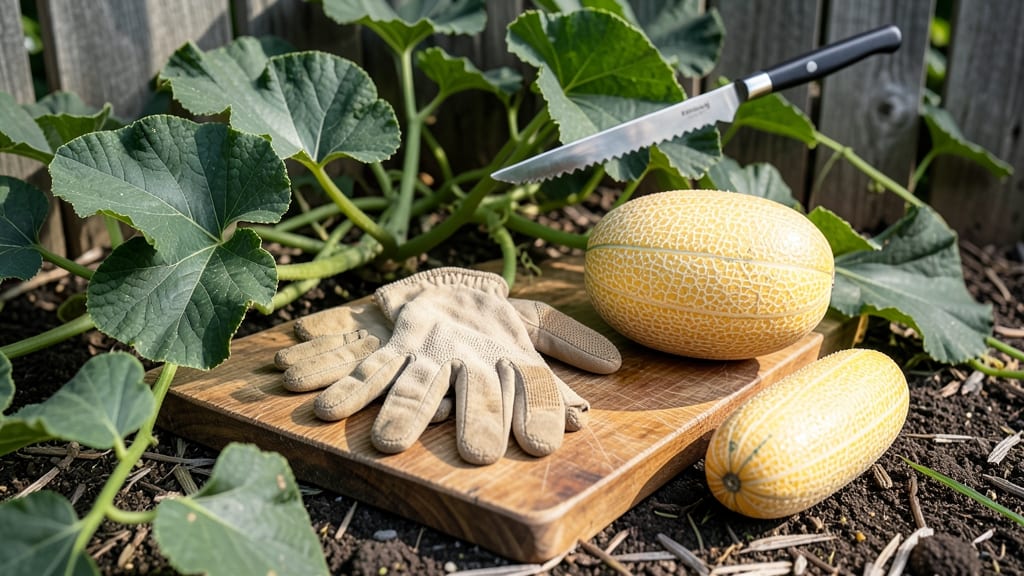
Knowing when to harvest cantaloupe means the difference between a sweet, juicy reward and a bland, underripe disappointment.
You’ve spent months nurturing your 🍈 plants, and now the moment of truth arrives: how do you really tell if your cantaloupe is ready? It’s not just about color—there’s a slip test, a thump, and even a scent trick that’ll save you from picking too soon or too late.
July and August are peak harvest months in Zone 6a, but timing is everything. A cantaloupe picked too early tastes like nothing more than a watery melon, while one left too long on the vine can turn mushy.
The good news? You don’t need a degree in botany—just three simple, non-invasive checks to guarantee perfect sweetness every time.
In this guide, I’ll walk you through the visual cues, tactile tests, and aroma clues that confirm your cantaloupe is at its peak. Plus, I’ll share the most common mistakes that lead to wasted fruit—and how to avoid them.


3 Non-invasive tests to determine cantaloupe ripeness
There’s nothing worse than biting into a cantaloupe that’s still hard or bland—especially when you know it could have been perfectly sweet if picked at the right time. The good news? You don’t need fancy tools to test cantaloupe ripeness.
With just your hands and a little patience, you can master three simple, non-invasive tests that reveal whether your fruit is ready to harvest. These methods work for both homegrown and store-bought cantaloupes, ensuring you never miss peak flavor again.
Cantaloupes ripen on the vine, and their sugar content peaks at the moment of harvest. Waiting too long can turn sweetness into mealiness, while picking too early leaves you with a watery, underdeveloped fruit.
The key is learning to read the subtle cues your cantaloupe gives you—without damaging the fruit or the plant. Let’s dive into the three foolproof tests that will transform your harvest confidence forever.
-
1. The Slip Test
Gently grasp the cantaloupe’s stem between your thumb and forefinger. If it slips free with just a slight twist, it’s ripe. Resistance means it needs more time. -
2. The Thump Test
Tap the cantaloupe’s blossom end (opposite the stem) with your knuckles. A deep, hollow sound signals ripeness, while a dull thud means it’s still firm. -
3. Vine Separation
Check if the vine near the fruit’s stem has dried and browned. A crisp break at the stem base confirms it’s ready to pick.
Let’s start with the slip test, the most reliable method for home gardeners. When you gently twist the cantaloupe at its stem, a ripe fruit will detach effortlessly from the vine. This happens because the fruit’s natural sugars trigger enzymes that soften the stem’s connection.
If the cantaloupe resists, it’s not ready—give it another 2-3 days. I’ve learned the hard way that forcing a harvest too soon leads to disappointment, so always trust this test over guesswork.
The thump test is perfect for cantaloupes that are nearly ready but still attached. Hold the fruit firmly and tap its blossom end (the flat side opposite the stem) with your knuckles. A ripe cantaloupe will produce a deep, resonant thud, almost like knocking on a hollow drum.
An underripe fruit, however, will sound dull and flat. This test works best when the cantaloupe is already showing color changes, like a creamy yellow rind.
Don’t overlook the vine separation technique, which is often overlooked but incredibly telling. Look closely at the stem where it meets the cantaloupe. A ripe fruit will have a brown, dried stem that snaps easily when you pull it away from the vine.
If the stem is still green and firm, the cantaloupe needs more time. I’ve seen gardeners mistake a green stem for readiness and end up with a fruit that’s too hard or lacks sweetness.
What if your cantaloupe passes one test but not the others? For example, it slips easily but sounds dull when thumped? Prioritize the slip test—it’s the most direct indicator of ripeness. However, if the vine isn’t separating or the stem is still green, hold off on harvesting.
Cantaloupes won’t ripen further once picked, so patience is key. In my garden, I’ve had cantaloupes that took up to 10 days longer than expected to ripen fully, especially in cooler summers.
Another common question is whether these tests work for different cantaloupe varieties. The answer is yes, but with a caveat: some heirloom or smaller varieties may have slightly different textures. For instance, Muskmelons (a type of cantaloupe) might feel slightly firmer when ripe compared to standard cantaloupes.
Always cross-reference with the rind color—a creamy yellow or tan hue is a universal sign of ripeness across varieties.
Timing is everything when it comes to cantaloupe harvests. If you’re harvesting in July or August (peak season in most regions), these tests become even more critical because the heat can accelerate ripening.
I’ve found that morning is the best time to test your cantaloupes—fruits are cooler and firmer, making it easier to distinguish between ripe and underripe.
One mistake I see often is over-relying on size. Just because a cantaloupe looks big doesn’t mean it’s ready. Some varieties, like Hale’s Best, can grow large while still being hard inside.
Always combine the slip, thump, and vine tests with visual cues like rind color and stem dryness. This multi-step approach ensures you never pick a cantaloupe too early or too late.
Finally, remember that storage doesn’t improve ripeness. Once picked, cantaloupes won’t sweeten further—they’ll only overripen or develop off-flavors. If you’re unsure whether a cantaloupe is ready, leave it on the vine for another day or two.
The extra wait is worth the reward of a fruit bursting with flavor. With these three tests in your gardening toolkit, you’ll never second-guess your cantaloupe harvest again.
Visual and smell cues that confirm cantaloupe harvest readiness
Beyond the classic slip and thump tests, cantaloupe ripeness reveals itself through subtle visual and scent cues that most gardeners overlook. These clues—like a creamy rind or a sweet aroma—are your secret weapons for nailing the perfect harvest.
Paying attention to these details ensures your melon bursts with flavor instead of tasting bland or overripe.
First, let’s talk about the rind color. A ripe cantaloupe develops a creamy yellow or tan hue with a faint sheen, especially near the stem. The underside (where it rested on the ground) should turn from dull green to a beige or tan shade.
This color shift signals the fruit’s sugars have fully developed, and the texture becomes slightly softer to the touch.
Next, examine the stem end. When ripe, it dries out and turns brown or papery**, often curling away from the fruit. This isn’t just a visual trick—it’s nature’s way of telling you the melon is ready to detach.
If the stem remains green and firm, your cantaloupe still needs time on the vine.
| Cue Type | Description | What It Means |
|---|---|---|
| Rind Color | Creamy yellow/tan with sheen | Sugars fully developed |
| Stem End | Brown, papery, curled | Ready to detach from vine |
| Aroma | Sweet, musky scent at stem | Peak ripeness confirmed |
| Weight | Feels heavy for size | Juicy, hydrated fruit |
| Vine Reaction | Slips easily with gentle twist | Optimal texture and flavor |
Don’t underestimate the power of smell. A ripe cantaloupe emits a sweet, musky aroma near the stem end when gently lifted from the vine. If you’re unsure, give it a quick sniff—this scent is your final confirmation that the fruit is ready.
Pro tip: If you detect a fermented or overly sweet smell, the melon may be overripe.
Finally, trust your touch. A ripe cantaloupe feels heavy for its size due to its high water content. Gently press the blossom end (opposite the stem)—it should yield slightly, like a ripe peach.
If the fruit feels light or hard, it’s not ready yet. This tactile check works best in the morning when the fruit is coolest.
Ignoring these cues often leads to underripe or overripe melons. For example, picking too early results in a watery, seedy texture, while waiting too long can mean a soft, mushy pulp.
By combining visual, scent, and touch tests, you’ll consistently harvest cantaloupe at its sweetest peak—no guesswork required. 🍈