
How To
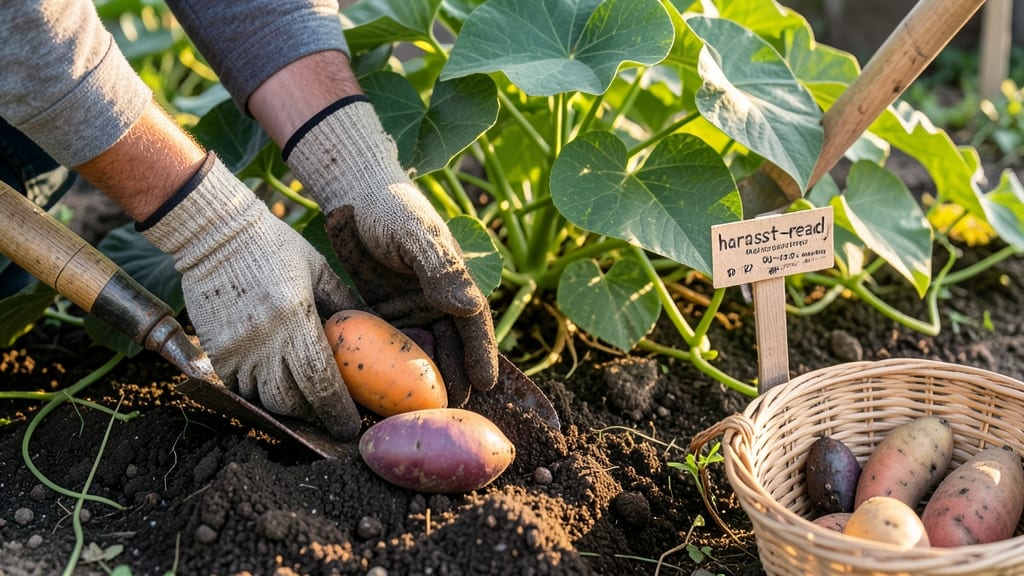
Telling when to harvest sweet potatoes is all about reading the plant’s signals—like checking for yellowing leaves, firm skin, and the right size—before the tubers turn woody or underdeveloped.
Picture this: you’ve spent months nurturing your 🍠 plants, only to dig up a batch that’s either too small and bland or so tough it might as well be a baseball bat.
That’s why timing matters—because sweet potatoes left in the ground too long lose their sweetness, while harvesting too early means wasted effort.
Most varieties, like the popular Beauregard, are ready between 90 to 140 days after planting, but the real clues lie in the foliage and skin. A simple finger-nail press test can tell you if they’re perfectly ripe, and I’ll show you exactly how to do it without guessing.
In this guide, you’ll learn the science-backed cues—from leaf color to soil checks—to harvest at the peak of sweetness, plus how to cure and store them for maximum flavor and shelf life.


Sweet potato harvest timing guide: when to dig based on variety and growth stage
Timing your sweet potato harvest is an art that balances maturity and flavor. Different varieties like Beauregard, Jewel, and Purple reach peak sweetness at slightly different stages, but all share key visual cues.
Miss the window, and you risk woody tubers or underdeveloped harvests. Let’s break down how to recognize the perfect moment for each type.
First, understand that climate plays a huge role. In hot climates, sweet potatoes mature faster—sometimes in as few as 90 days—while cooler regions may need up to 140 days.
The key is watching for foliage changes and tuber size, not just days on the calendar. For example, Beauregard sweet potatoes often signal readiness with vibrant orange foliage before dying back.
Here’s a quick reference for the most popular varieties and their ideal harvest signs:
| Variety | Days to Maturity | Harvest Cues | Skin Color | Tuber Size |
|---|---|---|---|---|
| Beauregard | 90–110 days | Leaves yellow, vines die back | Tan to copper | 3–5 inches |
| Jewel | 100–120 days | Foliage turns yellow-brown | Reddish-brown | 4–6 inches |
| Purple | 110–140 days | Vines wilt, leaves crisp | Deep purple | 3–5 inches |
🌱 Note: All varieties benefit from a frost warning—harvest before the first frost to avoid tuber damage.
Beyond variety, pay close attention to the stem end of the tuber. When it turns yellow and dries out, that’s a clear sign the sweet potato is ready. If the stem end is still green, the tuber isn’t fully mature yet.
This is especially critical for Purple varieties, which can take longer to develop their signature color.
Another foolproof method is the finger-nail press test. Gently press your thumbnail into the skin of a tuber near the soil line. If it resists slightly but doesn’t dent, the sweet potato is ready.
A soft spot means it’s overripe, while a hard, unyielding skin suggests it needs more time. This test works best on Jewel varieties, which often have thicker skins.
Climate also dictates your harvest window. In hot, dry regions, sweet potatoes may mature faster due to accelerated growth. Conversely, in cool, wet climates, they’ll take longer to reach harvest readiness.
For example, if you’re in Zone 6 or below, aim to harvest before the first frost—typically by late September or early October—to avoid tuber damage or rot.
Don’t overlook the importance of soil conditions. Well-draining soil prevents tubers from splitting, while consistent moisture ensures they develop properly. If your soil is too wet, sweet potatoes can become waterlogged and prone to disease.
Always harvest on a dry day to make digging easier and reduce the risk of soil sticking to the tubers.
Finally, size matters. Aim for tubers that are at least 3 inches long, though 5 inches is ideal for most varieties. Smaller sweet potatoes tend to be less sweet and more fibrous.
If you’re growing Purple varieties, their unique hue will deepen as they mature, making them easier to spot in the soil.
Pro tip: If you’re unsure, dig up one tuber for testing. Cut it open to check for firm flesh and developed eyes. If it’s ready, harvest the rest within the next 3–5 days to avoid overripening. This method saves time and ensures you don’t miss the sweet spot.
Remember, the goal is to harvest when the sweet potato is at its peak sweetness and texture. With these cues, you’ll never guess again—just dig, cure, and enjoy your homegrown harvest! 🍠
The finger-nail press test: how to check sweet potato ripeness before harvesting
Harvesting sweet potatoes at the right time ensures maximum sweetness and flavor, but guessing can lead to disappointment. The finger-nail press test is a simple, science-backed method to check ripeness without digging up every tuber.
This test evaluates the skin's firmness—perfectly ripe tubers will resist gentle pressure, while underripe or overripe ones won’t.
Before testing, ensure your soil is dry (waterlogged soil can give false results) and that you’re testing the right tubers. Avoid the smallest ones—they’re often underdeveloped. Instead, focus on medium-sized tubers (about 3-5 inches long) near the plant’s base, where most of the harvestable yield forms.
⚠️ WARNING: Common Mistakes That Ruin Your Harvest Testing tubers too early can lead to underripe potatoes with bland flavor, while waiting too long results in woody, starchy tubers.
Here’s how to avoid them: - Don’t test tubers with green stem ends—they’re not mature. - Avoid soft spots on the skin, which signal overripeness or rot. - Check multiple tubers from different parts of the plant for accuracy. - Test in dry soil—moisture can make skin appear softer than it is.
To perform the test, gently press your fingernail into the tuber’s skin. If it resists slightly but doesn’t dent deeply, the potato is perfectly ripe. A hard, unyielding skin means it’s underripe, while a skin that gives way easily or has soft spots indicates overripeness.
This method works best when combined with other cues, like yellowing foliage or dry, crispy vines.
If your test tubers pass, it’s time to harvest! Use a fork or shovel to carefully loosen the soil around the plant, then gently pull the vines to reveal the tubers. Handle them with care—rough handling can cause bruising, which shortens storage life.
Once unearthed, let them cure in warm, humid conditions (80-85°F and 80-90% humidity) for 5-10 days to develop their full sweetness.
For best results, harvest on a dry, sunny day when soil temperatures are above 55°F. This minimizes stress on the tubers and reduces the risk of disease.
If you’re unsure about timing, err on the side of harvesting slightly early—you can always cure them longer to improve flavor, but overripe tubers won’t recover.
Remember, the finger-nail press test is just one tool in your harvest toolkit. Combine it with leaf color, vine condition, and seasonal timing for foolproof results. With practice, you’ll master the art of harvesting sweet potatoes at their peak—sweet, tender, and ready to enjoy!