
Picking
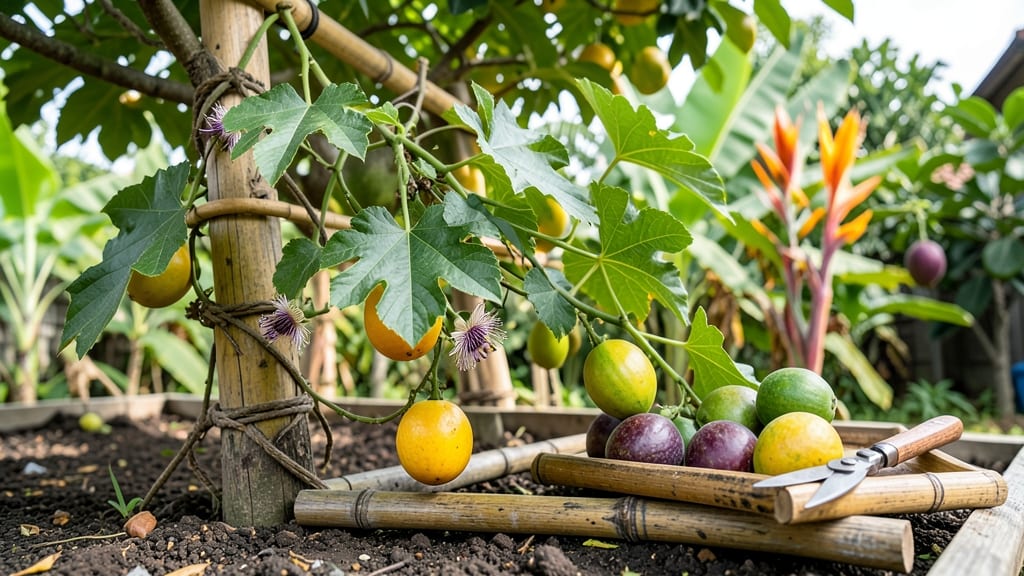
Harvesting passionfruit at the right time means waiting for pods to crack open and seeds to jiggle inside 🍈—a moment that turns months of care into sweet, tangy rewards.
There’s nothing quite like the moment when your passionfruit vines finally reward you with ripe, ready-to-pick pods—but how do you know when they’ve reached peak harvest time?
In tropical regions like Zones 10-12, passionfruit typically ripen between June and October, but the timing shifts with variety and climate. Purple passionfruit, for example, deepen to a rich hue, while golden varieties turn a vibrant yellow-orange—both signals that the fruit is nearly ready.
Below, I’ll walk you through the visual cues, the jiggle test, and how to adjust your harvest schedule based on your local growing season. No more guessing—just perfect, flavor-packed passionfruit every time.

How to tell when passionfruit are ready for harvest (pod cracks & seed jiggle test)
Harvesting passionfruit at the perfect moment means the difference between sweet, flavorful fruit and bitter, overripe pods. The key lies in combining visual cues with simple tactile tests—like the famous seed jiggle—to catch them at peak ripeness.
I’ve learned from experience that waiting too long means fruit splits open on the vine, while picking too early delivers bland, underdeveloped flavors. Let’s break down the exact signals to watch for, so you never miss the window.
First, focus on the pod color, which changes dramatically as the fruit matures. Purple passionfruit start as bright green and gradually deepen to a rich purple hue, while golden varieties shift from green to a sunny yellow-orange.
This color transformation is your first major clue that the fruit is nearing harvest time. However, color alone isn’t enough—you’ll also need to check the skin texture and how easily the fruit separates from the vine.
Here’s where the comparison table comes in handy—it breaks down the key differences between unripe, ripe, and overripe passionfruit so you can spot the perfect moment. Pay close attention to the seed jiggle test, which is the most reliable way to confirm ripeness without guessing.
The seed jiggle test is my go-to method for confirming ripeness. Simply pick up the passionfruit and give it a gentle shake—if the seeds inside move freely and make a soft rattling sound, that’s your green light.
This test works because ripe passionfruit develop a gel-like pulp that allows the seeds to shift easily. If the fruit feels hollow or the seeds don’t move at all, it’s either unripe or overripe.
Another pro tip: press the skin lightly near the stem. Ripe passionfruit will give slightly under gentle pressure, almost like pressing a ripe avocado. If the skin springs back immediately, the fruit needs more time. And if it leaves a dent or feels mushy, you’ve missed the boat—it’s overripe.
I’ve found that checking the stem base is equally important. A ripe passionfruit’s stem will turn brown and dry, making it easier to twist or cut the fruit from the vine without damaging the plant.
Timing your harvest is also crucial. In tropical climates, passionfruit typically ripen between June and October, while in temperate zones, the window may shift to late summer and early fall. If you’re growing golden passionfruit, they often ripen slightly earlier than purple varieties.
To extend your harvest season, I recommend picking fruit when it’s still slightly firm but colored—then let it ripen indoors at room temperature for 2-3 days.
One mistake I’ve seen gardeners make is waiting until the fruit cracks open on the vine. While this might seem like a clear sign of ripeness, the fruit is usually overripe and seedy at this stage, with a much stronger (and less pleasant) flavor.
The best practice is to harvest just before the fruit starts to crack—this ensures you get the sweetest, most flavorful passionfruit possible. Store any unripe fruit in a paper bag with a banana or apple to speed up ripening using natural ethylene gas.
Finally, always use a clean, sharp pair of pruners or scissors to harvest passionfruit. Twisting or pulling can damage the vine and reduce next year’s yield. After picking, store ripe passionfruit in the fridge for up to 5 days to preserve freshness.
If you’re not ready to eat them right away, freeze the pulp for smoothies or desserts—just remove the seeds and skin first. With these cues, you’ll never miss the perfect passionfruit harvest again!
Passionfruit harvesting schedule by variety (golden vs purple passionfruit timelines)
Timing your passionfruit harvest correctly means the difference between sweet, juicy fruit and bitter, overripe pods. Golden passionfruit and purple passionfruit ripen on different schedules, so knowing their unique windows helps you plan for a continuous harvest.
In tropical climates like Florida or Hawaii, both varieties produce year-round, while temperate zones (Zones 9-11) see peak harvests from late spring to fall.
Climate plays a huge role—cooler regions may delay ripening by 2-4 weeks, while heatwaves can accelerate it. My golden passionfruit vines in Zone 10 ripen 3-4 weeks earlier than their purple counterparts, giving me a staggered harvest. Understanding these differences lets you maximize yield and avoid wasted fruit.
| Variety | Peak Harvest Window | Color at Ripeness | Days to Ripen | Climate Notes |
|---|---|---|---|---|
| Golden Passionfruit | June–August (tropical) / July–September (temperate) | Deep orange-yellow | 180–210 days | Sensitive to frost; needs consistent warmth |
| Purple Passionfruit | July–October (tropical) / August–November (temperate) | Deep purple-black | 210–240 days | Tolerates slight cool spells better than golden |
| Both Varieties | Extend harvest with pruning and fertilizer | N/A | N/A | Prune after harvest to encourage new growth |
To extend your harvest season, I prune my vines twice yearly—once right after the first flush of fruit sets, and again in late summer to stimulate new blooms. This trick works especially well for purple passionfruit, which often produces a second crop if given the right conditions.
In my garden, a balanced 5-10-10 fertilizer applied every 6-8 weeks keeps the vines productive longer.
Watch for temperature drops—purple passionfruit can handle 55°F nights briefly, but golden varieties struggle below 60°F. If frost threatens, harvest everything immediately and store pods in a cool, dark place (like a basement) for up to 2 weeks.
I’ve saved entire harvests this way when unexpected cold snaps hit!
Don’t forget that hand-pollination can boost yields in areas with few bees. Gently brush flowers with a small paintbrush in the morning to ensure fruit sets—this is especially helpful for golden passionfruit, which often rely on manual help for pollination.
With these strategies, you’ll enjoy passionfruit well past the typical harvest window.
Pro tip: Mark your calendar for first harvest dates each year—this helps you anticipate when to expect ripe fruit and plan for storage or sharing. Over time, you’ll develop a rhythm that makes passionfruit harvesting almost effortless!