
Picking
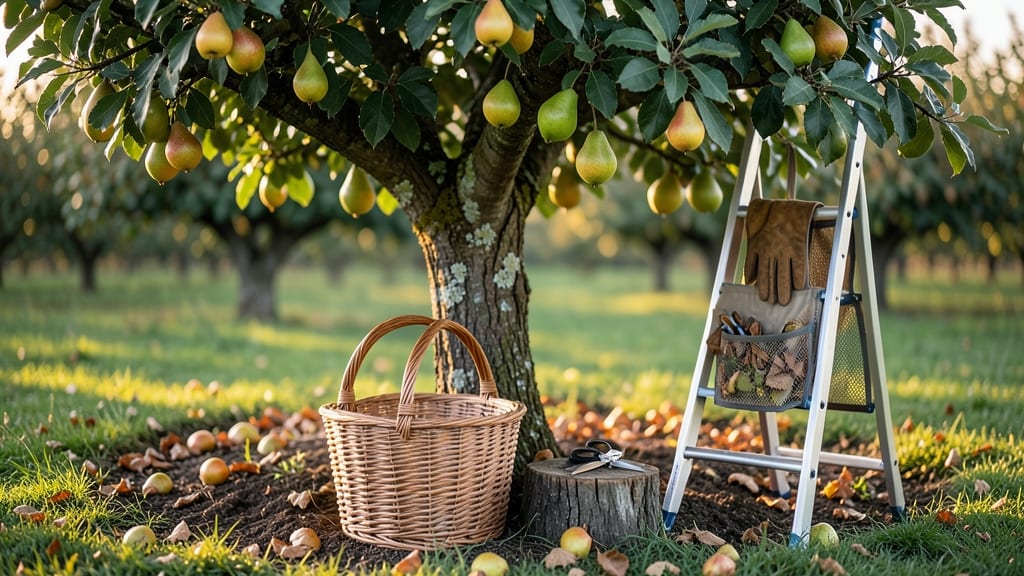
Harvesting pears at the right time in their season makes all the difference between sweet, juicy fruit and bland, mealy disappointment.
Picture this: you’ve waited months for your 🍐 tree to bear fruit, only to pick pears that taste like wax. Too early, and you miss the peak sweetness; too late, and they rot on the branch.
The key is knowing when those firm, flavorful pears are finally ready—before they overripe or fall victim to pests.
This guide breaks down the exact harvest windows for popular varieties like Bartlett and Bosc, plus the subtle cues (color, stem separation, and even seed darkness) that tell you it’s time to pick. Whether you’re storing pears for winter or eating them fresh, timing is everything.
You’ll also learn how to extend their shelf life by months with simple post-harvest tricks—because a well-timed harvest isn’t just about flavor, it’s about making your pears last until next spring.


How to determine the exact pear harvest season by variety and ripeness cues
Knowing the exact pear harvest season for your specific variety is the difference between sweet, juicy fruit and bland, mealy pears. Each pear type has a distinct harvest window and ripeness cues, so understanding these details ensures you pick at peak flavor and storage potential.
For example, Bartlett pears ripen earlier than Bosc pears, and Asian pears follow their own timeline entirely.
Timing matters because pears continue ripening after harvest—unlike many fruits, they don’t soften on the tree. Harvest too early, and you’ll end up with firm, tart fruit; wait too long, and they’ll overripen and rot.
The key is learning the variety-specific harvest cues, from color changes to stem separation, so you can plan your garden tasks accordingly.
🌱
The Bartlett pear, also called Williams, is the earliest to harvest, typically in late August or early September. Look for a shift from green to golden-yellow, and test for ripeness by gently twisting the fruit—it should separate cleanly from the stem.
These pears are best for short-term storage and fresh eating, as they soften quickly after picking.
Bosc pears are the late-season stars, ripening in October or November. Their skin stays green or develops a russeted brown hue, and they remain firm even when ripe. The key is waiting until the stem dries and separates easily—this signals peak flavor and storage potential. Bosc pears are ideal for long-term storage, lasting up to 5 months in a cool, dark space.
For Anjou pears, harvest time falls between Bartlett and Bosc, usually in September or October. Their skin transitions from green to a red blush, and they should yield slightly when pressed but not feel mushy.
Anjou pears are prized for their sweet-tart balance and can store for 4-6 months, making them a gardener’s favorite for winter treats.
Asian pears, like the Hosui variety, have a distinct harvest window of late August to September. Unlike their Western counterparts, they ripen on the tree but are often eaten fresh immediately after harvest.
Look for a shift to yellow-green and a firm yet slightly yielding texture. These pears store for only 1-2 months, so plan to enjoy them quickly.
Beyond variety, pay attention to seed darkness—a sure sign of ripeness. Cut a pear open and check the seeds: if they’re dark brown or black, the fruit is ready. This trick works for all pear types and is a foolproof way to avoid underripe or overripe fruit.
Combine this with the stem separation test for the most accurate harvest timing.
Regional climate also plays a role. In warmer climates, harvest may start 2-4 weeks earlier, while cooler regions might see a delayed season. Keep an eye on frost dates—pears can’t tolerate cold, so harvest before the first frost hits.
If frost threatens, pick early and store in a cool, humid environment to slow ripening.
Pro tip: Harvest on a dry morning to prevent disease spread. Use pruning shears or a sharp knife to avoid damaging the tree, and handle fruit gently to prevent bruising. Once picked, store pears at 30-35°F with high humidity to extend their shelf life and preserve that perfect
5 Key signs your pears are ready for harvest (and when to wait)
Harvesting pears at the right time is an art that balances sweetness, texture, and storage potential. Many gardeners make the mistake of picking too early—resulting in bland, mealy fruit—or waiting too long, risking rot or pest damage.
The key lies in observing 5 critical signs that your pears have reached their perfect moment for harvest.
First, understand that pears ripen after they're picked, unlike many other fruits. This means you'll need to harvest them firm but mature, then let them soften indoors.
The challenge? Knowing when to pluck them from the tree before they overripe. Let’s break down the non-negotiable cues to time your harvest perfectly.
Pears develop a deep, even hue—yellow, red, or green—depending on the variety. A blush or stripe pattern should fully emerge, not just appear on one side.
Gently twist the pear at its stem. If it detaches cleanly with minimal force, it’s ready. A stubborn stem means it’s not ripe yet.
Press the pear gently with your thumb. It should feel firm but slightly yielding, like a ripe avocado. If it springs back, wait a few days.
Check the area where the stem meets the fruit. A dry, slightly shriveled spot indicates ripeness. A green or moist stem means it’s not ready.
Harvest when daytime temps drop to 70°F or below and nights are cool. Heavy rainfall or humidity can delay ripening, so adjust your timeline accordingly.
One of the biggest mistakes gardeners make is harvesting pears based on color alone. For example, Bartlett pears turn yellow when ripe, but Bosc pears stay green with a russet blush.
Always combine color with the other four signs to avoid errors. Pro tip: Write down the harvest date on a sticky note tied to the fruit—this helps track ripening progress if you’re unsure.
Environmental factors play a huge role in harvest timing. Pears grown in cooler climates (like the Pacific Northwest) may ripen earlier than those in hot, humid regions (like the Southeast).
If your area has had unusually hot summers, pears might ripen faster—check them weekly. Conversely, wet springs can delay ripening, so don’t rush the process.
After harvesting, place your pears in a cool, dark place (like a basement or paper bag) to ripen over 1-3 weeks. Test one pear daily by pressing it gently—once it yields slightly, the rest are ready to eat or store.
Ignoring these signs and picking too early? You’ll end up with tasteless, grainy fruit that spoils faster. Master these cues, and you’ll enjoy pears at their peak sweetness and texture all season long. 🍐