
How To
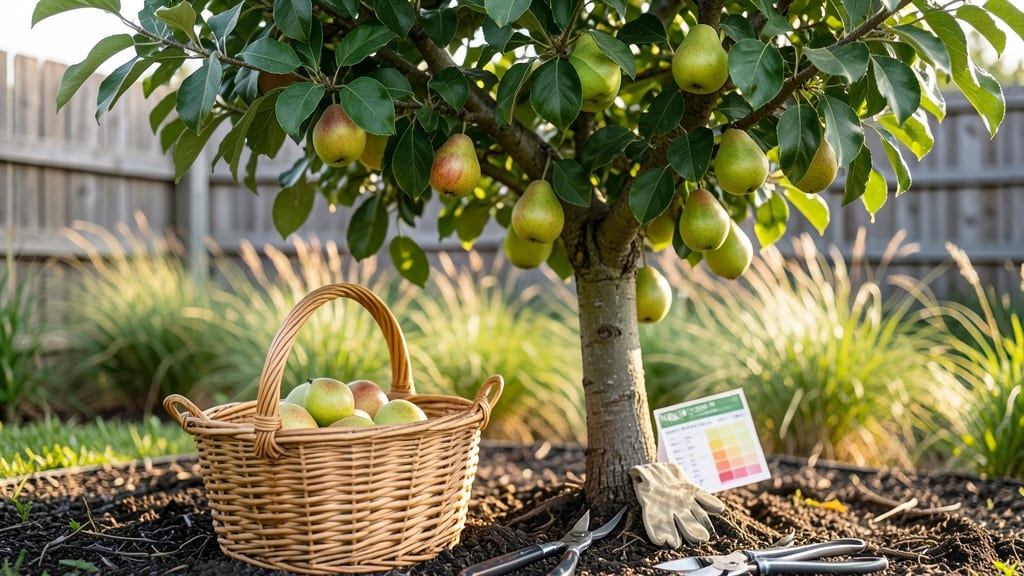
Harvesting Bartlett pears at the right time means the difference between sweet, juicy fruit and a mealy disappointment 🍐—and the key is knowing exactly when they're ready.
Picking too early means bland, firm pears that never soften, while waiting too long guarantees a mushy mess that spoils faster than you can eat it. The trick is catching that perfect window when the fruit is ripe but still holds its shape.
For most USDA Zone 6 growers, Bartlett pears typically reach harvest readiness between late August and early September, but the real test isn't the calendar—it's the fruit itself.
Look for a color shift from green to golden-yellow, a gentle give when pressed, and stems that separate cleanly with just a slight twist.
In this guide, I’ll walk you through the three foolproof signs of peak ripeness, how to test them without damaging the pears, and what to do if you miss the window. No more guessing—just perfect pears every time.


3 Visual and tactile signs Bartlett pears are ready to harvest
Knowing exactly when to harvest Bartlett pears can turn a good crop into a spectacular one. Unlike some fruits that ripen off the vine, Bartlett pears must be picked at peak ripeness for the best flavor and texture.
Ignoring these visual and tactile cues often leads to bland, mealy fruit—or worse, mushy overripe pears that spoil quickly. The good news? You don’t need to cut into the fruit to tell if it’s ready. Just look, touch, and smell!
Mastering these three key indicators will help you harvest your Bartlett pears at their sweetest and juiciest. Whether you’re a seasoned gardener or a first-time pear grower, these expert-approved signs will ensure you never miss the perfect moment to pick.
Let’s dive into what to watch for so you can enjoy homegrown pears that taste like summer in every bite.
- 1. Skin Color Change: Look for yellow or blushed red skin instead of green. Bartlett pears start green but ripen to a soft golden-yellow hue with possible red blushes. If the skin remains fully green, the pear needs more time on the tree.
- 2. Stem Separation: Gently grasp the pear and twist it slightly. If it detaches easily from the branch (with a slight pop), it’s ready. If the stem resists or breaks, the pear isn’t ripe yet.
- 3. Sweet Aroma: Ripe Bartlett pears emit a sweet, fragrant scent. Hold the pear close to your nose—if you smell nothing or a sour note, it’s not ready. A strong, sweet aroma means peak ripeness.
Paying attention to these visual and tactile cues ensures you harvest at the perfect moment. The skin color is your first clue—ignore it, and you risk picking pears that are still hard and flavorless.
A green pear won’t soften after picking, so wait until it turns yellow or develops a blush. This change signals the fruit’s sugars have fully developed.
Next, the stem separation test is a game-changer. Bartlett pears should release easily from the branch when gently twisted. If you feel resistance, the pear isn’t ready. This test is foolproof because it aligns with the fruit’s natural ripening process.
Overripe pears may also detach, but they’ll be too soft and mushy—so timing is everything.
The aroma test is often overlooked but is one of the most reliable indicators. A ripe Bartlett pear should smell sweet and fragrant, almost like candy. If it smells neutral or sour, it’s not ripe.
This scent comes from the fruit’s natural sugars and oils, which peak at harvest time. Trust your nose—it’s your best tool for nailing the perfect ripeness.
Harvesting too early means mealy, bland pears that lack sweetness, while harvesting too late results in mushy, overripe fruit that spoils quickly. By combining these three signs—color, stem separation, and aroma—you’ll never miss the window.
Once you’ve confirmed all three, it’s time to pick! Use pruning shears to avoid damaging the branch, and handle the pears gently to prevent bruising.
Pro tip: If you’re unsure, pick a few pears and let them ripen indoors. Place them in a paper bag with a banana or apple to speed up the process using ethylene gas.
This works well if you’re a day or two early, but the best pears are always harvested straight from the tree at peak ripeness. Now that you know what to look for, you’re ready to enjoy homegrown Bartlett pears at their absolute best!
Remember, Bartlett pears don’t ripen well off the tree, so don’t wait too long. Once they’re picked, their ripening process slows dramatically. The sooner you harvest them at the right time, the sooner you’ll be enjoying that perfect balance of sweetness and juiciness. Happy harvesting!
How to test Bartlett pear ripeness without cutting (4 simple methods)
Testing Bartlett pear ripeness without cutting into the fruit saves you from wasted effort and ensures perfect flavor. These 4 simple methods let you harvest at peak sweetness while avoiding mealy or mushy pears.
Start by checking the skin color—ripe Bartlett pears shift from green to yellow with red blush. This change signals natural sugar development, but color alone isn’t enough.
Next, use the thumb pressure test, the most reliable way to gauge ripeness. Gently press a pear between your thumb and forefinger—it should yield slightly like a ripe avocado.
If it feels rock-hard, wait 1-2 weeks; if it’s too soft, it’s overripe. This tactile check works best in late summer when temperatures are warm but not scorching.
For a visual reference, compare your pears to this color chart of ripening stages. Unripe pears are bright green, while fully ripe ones develop golden-yellow skin with red patches.
Note that indoor-grown pears may ripen faster due to higher humidity and controlled temperatures. Adjust your timeline accordingly if your tree is in a greenhouse or sunny patio.
| Method | What to Look For | Best Time to Test | Outdoor vs. Indoor |
|---|---|---|---|
| Skin Color | Yellow with red blush (not fully yellow) | Late August - Early September | Indoor pears ripen 1-2 weeks faster |
| Thumb Pressure | Gives slightly (not hard or mushy) | Morning hours (cooler temps) | Test daily in peak heat |
| Stem Separation | Detaches easily with slight twist | After color change appears | Indoor stems may separate sooner |
| Aroma Test | Sweet, fragrant smell near stem | Late afternoon (warmer air) | Indoor pears smell stronger |
Don’t overlook the stem separation test, which is especially useful for container-grown pears. Gently twist the pear at its stem—if it releases with minimal force, it’s ready. This method works best when combined with the thumb test, as some varieties may separate too early.
For outdoor trees, check stems in the morning when fruits are firmer due to cooler temperatures.
Finally, trust your nose—the aroma test is the final confirmation. Ripe Bartlett pears emit a sweet, honey-like fragrance near the stem. Sniff a few candidates before harvesting to ensure consistency across your crop.
If pears smell faint or sour, they’re not ready yet. This method is most reliable in warm afternoons when volatile oils are most active.
Adjust your harvesting timeline based on your local climate. In cooler regions (USDA Zone 6), pears may take until mid-September to ripen, while warmer zones (Zone 8+) can harvest as early as late August. Always pick on a dry morning to prevent bruising and extend shelf life.