
Vegetables
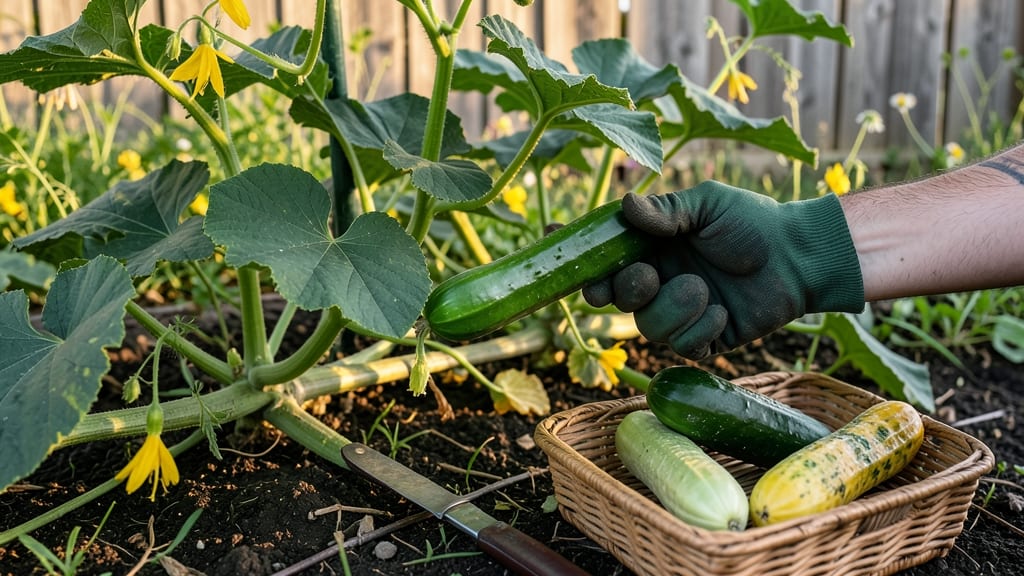
Harvesting cucumbers in the right month ensures you get the crisp, sweet flavor you love 🥒 — and missing the window means bitter, seedy disappointment that ruins salads and pickles.
Timing your cucumber harvest wrong can mean the difference between crisp, flavorful slices and bitter, seedy disappointment—so knowing exactly when to pick matters more than you think.
In cooler regions like USDA Zone 6a, your harvest window typically opens in June and stretches through September, but tropical climates can produce cucumbers year-round. Below, I’ll break down the best months for your zone, plus the three ripeness signs you can’t afford to miss.
You’ll also discover how to extend your harvest by 4-6 weeks using simple tricks like succession planting and row covers—so you don’t have to say goodbye to fresh cucumbers too soon.


Best harvest months for cucumbers by USDA plant hardiness Zones
Knowing when to harvest cucumbers depends entirely on where you live—and your USDA hardiness zone plays a huge role. In cool northern climates (Zones 3-5), you'll need to rush your harvest before frost strikes, while tropical zones (9-11) can enjoy cucumbers year-round with proper care.
Even early vs. late varieties shift your harvest window by weeks, so let's break it down by zone to help you plan.
Your last frost date is the biggest factor—cucumbers cannot tolerate frost at any growth stage. That means in Zone 3, you might only get 6-8 weeks of harvest time, while Zone 10 gardeners can pick fresh cucumbers nearly every month.
The key is matching your planting time to your zone's frost-free window and choosing varieties that mature quickly enough to avoid the cold.
Pro Tip: Always plant heat-loving cucumbers after your last frost date—typically April-May in Zones 3-7 and March-April in Zones 8-11. For extended harvests, try succession planting every 2 weeks in warmer zones.
In Zones 3-4, your harvest window is tight—just 8-10 weeks—so prioritize fast-maturing varieties like 'Northern Pickling' (45 days). These cold-sensitive plants won't survive frost, so always harvest before September 15 or use row covers to extend the season slightly.
For Zones 5-6, you gain a few extra weeks, but late varieties like 'Marketmore' may struggle if planted too late.
Gardeners in Zones 7-8 enjoy the longest natural harvest—4-5 months—but succession planting every 2 weeks can double your yield. Plant early varieties in May
3 Non-negotiable ripeness signs before harvesting cucumbers
Picking cucumbers too early or too late ruins their flavor, turning crisp slices into bitter, seedy disappointments 🥒. The key is mastering these three visual and tactile cues that guarantee peak ripeness.
Ignoring them means missing the sweet spot where cucumbers taste their best—firm, flavorful, and free of that unpleasant aftertaste.
I’ve learned the hard way that waiting for perfect ripeness isn’t just about size—it’s about color, texture, and even the stem’s behavior. These signs work for both slicing and pickling varieties, so you’ll never overlook a harvestable cucumber again.
Let’s break down what to look (and feel) for before you grab your pruners.
- 1 Size and Shape: Cucumbers should reach 6-8 inches for slicing types or 2-4 inches for pickling. Look for a uniform diameter—no bulging or uneven growth.
- 2 Skin Texture: Gently press your thumbnail into the skin. If it resists slightly (not rock-hard, not mushy), it’s ready. Overripe cucumbers yield too easily, while underripe ones feel firm like plastic.
- 3 Stem Color: Check the stem end. For slicing cucumbers, it should turn yellowish (not green). Pickling types may stay green but develop a slightly waxy sheen. A green stem end means it’s not ready yet.
Underripe cucumbers lack flavor and often develop a mealy texture, while overripe ones become seedy, watery, and bitter. I once left a batch on the vine too long, and they turned into yellow, mushy messes—a mistake I won’t repeat!
The good news? Cucumbers ripen quickly, so checking your plants every 2-3 days ensures you never miss the window.
For pickling cucumbers, harvest even earlier—when they’re 2-3 inches long and still firm. Their skin should be thin and tender, not tough. If you’re growing heirloom varieties, like ‘Lemon Cucumber’ or ‘Armenian’, watch for color changes**—they often ripen to yellow or white when ready.
One more trick: Smell the blossom end (the end opposite the stem). A sweet, fresh aroma means it’s ripe. No smell? It’s not ready. This simple test saves you from picking cucumbers that’ll disappoint in your salads or sandwiches.
Now you’re equipped to harvest like a pro—no more guesswork! 🌿