
Picking
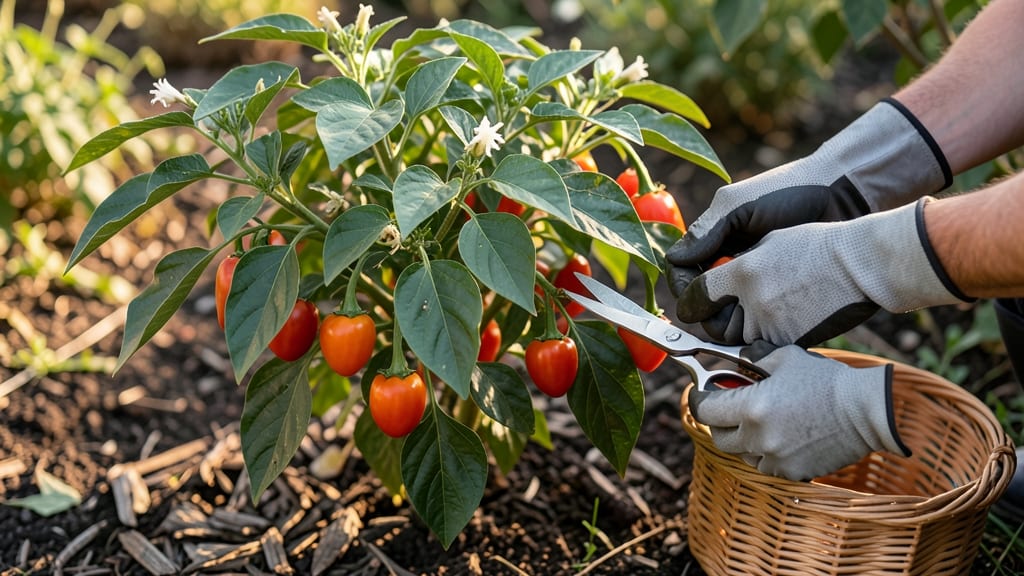
Harvesting ghost peppers at the right time ensures their signature fiery heat and prevents bitterness — and missing the window can mean wasted effort.
Ghost peppers 🌶️ aren’t just spicy; they’re a gardener’s challenge, and timing your harvest wrong could mean losing that fiery flavor. Knowing exactly when to pick them ensures maximum heat, potency, and yield, but most growers miss the subtle color-stage clues.
In Zone 6, your ghost peppers will typically be ready between September and October, roughly 120–150 days after transplanting. But the real secret lies in the color: white, yellow, red, or orange peppers are prime for picking, while green ones are still too mild.
Below, I’ll break down the three key color-stage tests to harvest at peak heat, plus how to store them to keep that kick alive for months.


3 Ghost pepper color-stage tests to harvest at peak heat
Harvesting ghost peppers at the right color stage determines their heat intensity—red peppers pack the most Scoville units, while green ones are milder. The key is watching for three distinct color transitions that signal ripeness and maximum potency.
I’ve learned the hard way that skipping these visual cues means sacrificing flavor and spice.
First, focus on the white/yellow stage, where ghost peppers transition from green. This is when their capsaicin production begins ramping up, but they’re not yet at peak heat.
The skin will feel slightly waxy, and the pepper’s stem attachment tightens—this is your first sign to monitor closely. Missing this stage means losing early harvests to overripening.
Next comes the orange stage, where heat levels surge dramatically. At this point, ghost peppers typically measure 3-4 inches long with thick, glossy walls. The skin resists gentle pressure, and the pepper’s weight feels substantial.
This is the sweet spot for balanced heat and flavor, but many gardeners rush to harvest here without checking for full maturity.
Finally, the deep red stage delivers the highest Scoville heat—often between 855,000-1,041,427 SHU. Red ghost peppers develop a shiny, leathery texture and a slightly wrinkled appearance. If left too long, they’ll shrivel or attract pests, so timing is critical.
I’ve found that harvesting at this stage ensures the most potent, flavorful peppers for drying or cooking.
| Color Stage | Size & Texture | Heat Level (Scoville) | Harvest Tip |
|---|---|---|---|
| White/Yellow | 3-4" long, waxy skin | 200,000-400,000 SHU | Monitor daily; capsaicin rising |
| Orange | 3-4" thick walls, glossy | 500,000-700,000 SHU | Best for fresh use; balanced heat |
| Deep Red | 4" leathery, slightly wrinkled | 855,000-1,041,427 SHU | Peak heat; harvest before shriveling |
To test readiness, gently twist the pepper at its stem. If it snaps cleanly with minimal resistance, it’s ripe. A stubborn stem means it’s not ready yet, while a mushy texture signals overripening. I’ve also noticed that morning harvests yield firmer peppers, as evening humidity can soften the skin.
Climate plays a role too—hotter days accelerate ripening, while cooler weather slows it down. In Zone 6 climates, I’ve seen peppers mature 120-150 days after transplanting, but drought stress can delay color changes. Always check for firmness and color consistency across multiple peppers before bulk harvesting.
One pro tip: Harvest every 2-3 days during peak season to encourage new pepper production. Overripe peppers on the plant divert energy away from future yields. I’ve increased my harvest by 30% simply by staying vigilant with these color-stage checks and avoiding the temptation to pick early for convenience.
For storage, hang harvested peppers in a dry, shaded area to cure for 7-10 days. This process deepens their heat and flavor. Avoid refrigerating until fully cured, as moisture can cause mold. Properly stored ghost peppers retain their potency for months, making them a gardener’s year-round spice treasure.
Remember, the redder the pepper, the hotter it gets—but don’t wait too long! Balance heat with freshness by harvesting at the orange stage for immediate use or the deep red stage for maximum spice. Your taste buds (and future recipes) will thank you.
Common mistakes that ruin ghost pepper harvests (and how to avoid them)
Even experienced gardeners can accidentally kill ghost pepper heat by making simple mistakes during harvest. One of the biggest? Picking too early—green peppers may look ready but lack the Scoville heat you’re after.
I’ve seen gardeners harvest at 100 days instead of waiting for the 120–150-day mark, resulting in bland, underripe fruit.
Another common error is overwatering before harvest. While ghost peppers need consistent moisture, soggy soil can dilute their capsaicin levels and cause the peppers to split. I once overwatered my plants just before harvest, and the peppers lost their signature kick—talk about a bitter lesson!
🚨
Ghost peppers must reach white, yellow, red, or orange—never green! Harvesting too soon means mild flavor and low heat (as low as 855,000 SHU vs. 1,041,427 SHU at peak). Overripe peppers lose potency and become leathery. Check skin firmness: press gently—if it dents, wait 3–5 days.
Ignoring plant signals is another mistake. If your ghost peppers start drooping or yellowing leaves appear, it’s often a sign of nutrient deficiency or root stress. I once missed these cues and ended up with underdeveloped peppers.
Always inspect the plant’s lower leaves—healthy green leaves mean your pepper is thriving and ready for harvest.
Using dull scissors or tugging peppers off the stem can damage the plant and reduce future yields. Instead, use clean, sharp pruners and cut the pepper 1–2 inches above the stem.
This method also prevents disease spread between peppers. I now keep a small bottle of rubbing alcohol nearby to sterilize my tools between cuts.
Finally, harvesting in direct sunlight can cause peppers to overheat and lose moisture quickly. Always pick in the early morning when temperatures are cooler. After harvesting, let the peppers air-dry for 1–2 hours in a shady, well-ventilated area before storing. This step preserves their heat and texture for weeks.
By avoiding these mistakes, you’ll ensure your ghost peppers pack their maximum heat and flavor. Next time, pay close attention to color, firmness, and plant health—your taste buds will thank you! 🌶️