
How To
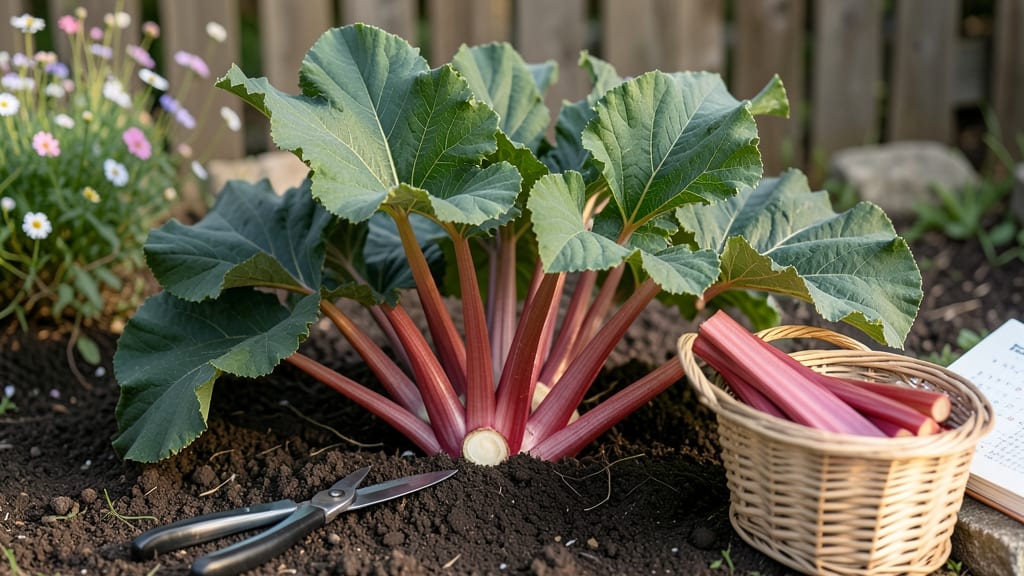
You can harvest rhubarb stalks for up to 6 weeks in a single season once the plant is mature, but timing and technique make all the difference between a bountiful crop and a struggling one.
Picture this: your first batch of rhubarb is ready in early May, and you’re eager to keep picking—until you notice the stalks shrinking and the leaves wilting. That’s your plant protesting, and it’s not just about how long you harvest, but how you do it.
In Zone 6, where rhubarb thrives, the ideal window starts in late spring after the last frost and stretches into early summer. But here’s the secret: the first year after planting, you should harvest lightly or not at all.
By year two, you’re in business—10-12 inches of vibrant stalks mean it’s time to start cutting.
Below, I’ll break down the exact harvest timeline, how to spot over-harvesting before it’s too late, and the simple tricks to keep your rhubarb 🌱 producing well into summer—without sacrificing next year’s crop.


Rhubarb harvest timeline: when to start, peak season, and final cut
Timing your rhubarb harvest is like catching a wave—too early and you miss the sweet spot, too late and you risk weakening your plant. The ideal harvest window spans from late spring to early summer, but the exact dates depend on your USDA hardiness zone and local climate.
In Zone 6, most gardeners start harvesting in May and continue until July, but colder zones may delay the start by 2-4 weeks.
For first-time growers, the biggest mistake is harvesting too early. Your rhubarb plant needs at least 2 years to establish a strong root system before you can harvest aggressively.
In year one, limit yourself to 1-2 stalks to encourage root growth. By year two, you’ll see full-size stalks ready for your table.
Here’s the key: harvest stalks when they reach 10-12 inches tall and are firm but tender. They should snap easily when bent, not feel woody. Overripe stalks become tough and fibrous, ruining their tart-sweet flavor. Think of it like picking green beans—timing is everything!
The peak harvest season typically runs from late May to early June, when your rhubarb plant is at its most productive. This is when you’ll get the largest, most flavorful stalks.
If you live in a warmer climate (Zones 7-9), your peak may extend into early July, but the plant will start signaling dormancy soon after.
Now, here’s where most gardeners go wrong: harvesting too late. Once your rhubarb plant starts sending up flower stalks (those tall, thin shoots), it’s time to stop harvesting.
Allowing the plant to flower diverts energy from next year’s growth. Cut these off immediately to redirect nutrients back to the roots and crown.
| Harvest Stage | Timeframe (Zone 6) | Stalk Maturity Signs | Action |
|---|---|---|---|
| First Cuts | Late April - Early May | 10-12" tall, bright red/pink | Harvest 1-2 stalks per plant |
| Peak Season | Late May - Early June | Stalks snap easily, tender texture | Harvest 3-4 stalks per plant weekly |
| Final Cut | Mid-June - Early July | Stalks thicken but stay tender | Stop harvesting; focus on soil care |
| Dormancy Prep | July - August | Flower stalks appear | Remove flower stalks; reduce watering |
The final harvest cut should happen by mid-July in most climates. After this, your rhubarb plant needs time to replenish energy stores for next year. If you push it too far into summer, you’ll see smaller stalks next spring or even no regrowth in extreme cases.
Think of it like saving money for a rainy day—your plant needs to stock up for winter.
Climate plays a huge role in your harvest timeline. In cooler zones (3-5), your harvest window may be shorter—sometimes just 4-6 weeks—while warmer zones (7-9) can stretch it to 8-10 weeks.
Pay attention to your plant’s growth cues rather than relying solely on a calendar. If your stalks are still thin and pale by early July, it’s okay to wait a few more weeks.
One pro tip: stagger your harvests by cutting stalks from different parts of the plant. This encourages even regrowth and prevents the center from becoming overcrowded.
Always cut stalks at the base, leaving the leaf crown intact. The leaves are essential for photosynthesis, even if you don’t eat them!
As you approach late summer, your rhubarb plant will start slowing down. This is nature’s way of saying, "It’s time to rest." Reduce watering slightly and stop fertilizing. Your goal now is to prepare the plant for dormancy, not to squeeze out one last harvest.
A well-rested rhubarb plant will reward you with bigger, better stalks next year.
Remember, rhubarb is a perennial, meaning it comes back year after year with proper care. By respecting its natural growth cycles and stopping harvests at the right time, you’ll enjoy decades of tart, tangy stalks from the same plant. That’s the magic of gardening—patience pays off!
How to extend your rhubarb harvest season without damaging the plant
Extending your rhubarb harvest beyond the typical 6-8 week window is possible with the right techniques. Most gardeners stop harvesting by late summer, but with careful planning, you can push your season into early fall without stressing your plant.
The key lies in staggered harvesting, soil maintenance, and smart pruning—all while avoiding common mistakes that weaken the crown.
First, focus on selective stalk removal. Instead of cutting all mature stalks at once, harvest only the largest, most developed stalks first. This leaves smaller stalks to continue growing, ensuring a steady supply.
Think of it like a buffet strategy: take what you need but leave enough for the plant to keep producing. I’ve found that harvesting only 1-2 stalks per week from each mature plant keeps the harvest going for months.
Your rhubarb’s soil health is the foundation of extended harvests. Before the growing season begins, amend your soil with compost or well-rotted manure to replenish nutrients. During the season, apply a balanced fertilizer (10-10-10) every 4-6 weeks to support continuous growth.
I swear by a light feeding in early spring and again in early summer—just enough to keep the plant energized without overloading it.
⚠️ How Long Can You Harvest Rhubarb?
Most rhubarb plants can safely produce for 8-10 weeks in ideal conditions, but pushing beyond 12 weeks risks weakening the crown. Stop harvesting by mid-summer (around July 1st in Zone 6) to allow the plant to store energy for next year. Over-harvesting after this point leads to smaller stalks, poor regrowth, and potential crown rot.
Mulching plays a critical role in extending your harvest. Apply a 3-4 inch layer of organic mulch around your rhubarb plants in early spring. This conserves moisture, regulates soil temperature, and suppresses weeds—all of which reduce stress on the plant.
I use straw or shredded leaves because they break down slowly and add organic matter as they decompose. Just avoid piling mulch directly against the crown to prevent rot.
Pruning isn’t just for aesthetics—it’s a harvest extension tool. After your final harvest of the season, cut back any dead or diseased stalks to redirect the plant’s energy. However, avoid pruning the central crown or removing more than 1/3 of the foliage at once.
The leaves are crucial for photosynthesis, fueling next year’s growth. I’ve noticed that plants with healthy leaf coverage bounce back stronger in spring, giving me an earlier start to the next harvest season.
Finally, watch for signs of over-harvesting stress, such as yellowing leaves, stunted growth, or wilted stalks. These are red flags that your plant is protesting. If you see these symptoms, scale back immediately and focus on watering and soil care to help the plant recover.
I’ve learned the hard way that rhubarb is more resilient than it looks, but even the toughest plants have their limits.
With these strategies, I’ve successfully extended my rhubarb harvest by 4-6 weeks in my Zone 6 garden. The secret isn’t just harvesting longer—it’s harvesting smarter while keeping the plant healthy for years to come. 🌱