
Advice
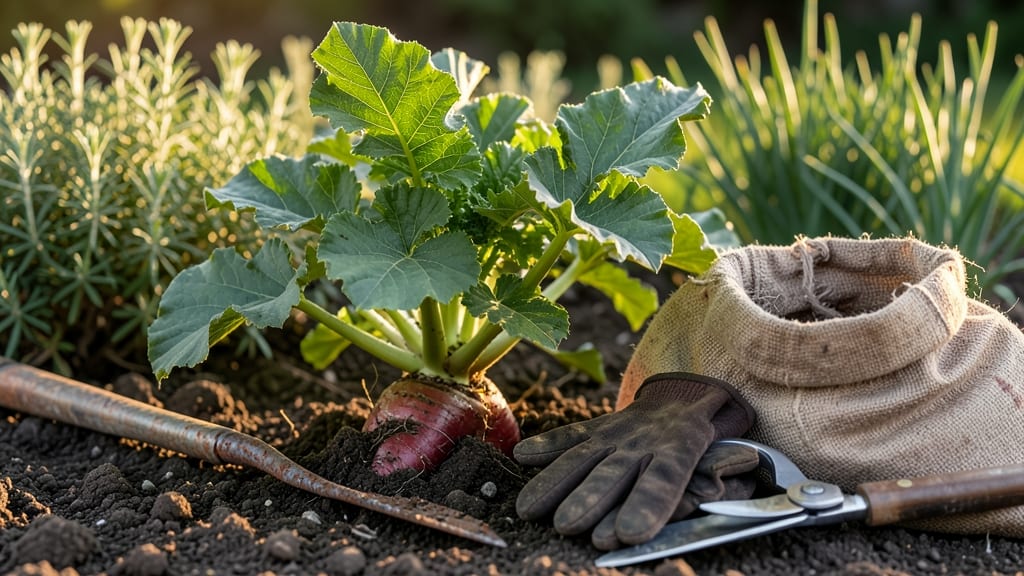
You should harvest horseradish when roots reach 1-2 inches in diameter and the leaves yellow in late fall or winter, signaling peak pungency 🌿.
Horseradish’s fiery kick reaches its peak at the right harvest time—but timing it wrong means either bland roots or wasted effort. Learn how to test root size, flavor, and growth stages for the perfect harvest window.
Most gardeners wait 2-3 years before harvesting, but you can sample smaller roots earlier if they pass the flavor test. The key is cool soil temperatures and a strong, sharp aroma when cut.
Below, I’ll walk you through the exact signs to watch for, how to taste-test for spiciness, and when to avoid harvesting—so you never dig up a root that’s too mild or woody.


How to determine horseradish root size and growth stages for harvesting
Horseradish thrives on patience—it takes 3 to 4 years to reach peak flavor and size. Unlike annual herbs, this hardy perennial stores energy underground, making root diameter and leaf signals your best indicators for harvest timing.
Missing these cues often means sacrificing that signature fiery heat for bland or woody roots.
Start by examining the root diameter, which is the most reliable marker. Ideal harvest roots measure 1 to 2 inches thick at their widest point.
Smaller roots (under 1 inch) lack the complex flavor compounds that develop over time, while oversized roots (over 2 inches) can become tough and fibrous. Use a ruler or caliper to measure roots at soil level for accuracy.
Above ground, watch for leaf color changes as a secondary signal. In late fall or early winter, horseradish leaves naturally yellow and die back as the plant shifts energy to root storage.
This dormancy period (typically October to March in USDA Zone 6a) coincides with the best harvest window. If leaves stay green year-round, your plant may need more sunlight or cooler soil temperatures.
Soil temperature also plays a critical role. Horseradish roots develop best when soil stays below 60°F. Use a soil thermometer in early morning to confirm conditions—cool roots pack more heat.
In warmer climates, aim for harvest after the first frost, while colder regions can dig roots even in winter if soil isn’t frozen.
Digging up a few roots for aroma testing is another foolproof method. Cut a small piece of root and crush it between your fingers—intense heat and sulfur notes signal readiness. Mild or no aroma means wait another year.
This test works year-round but is most reliable in fall when roots have had time to store energy. Store test roots in the fridge for up to 2 weeks while you monitor the rest of the patch.
Timing your harvest with the plant’s natural cycle maximizes yield. In my garden, I’ve found that late October to early November delivers the sweet spot—roots are large enough for storage but haven’t yet turned woody.
Use a garden fork to lift roots carefully, shaking off excess soil to check for pests or rot before storing. Avoid washing roots until ready to use, as moisture speeds up spoilage.
For gardeners in warmer zones (USDA 8a+), horseradish may not fully dormancy. In these cases, focus on root size and aroma over leaf color. I’ve successfully harvested in December and January in Zone 8b by choosing cloudy days to reduce stress on the plant.
Always leave at least one-third of the root in the ground to regrow—this ensures next year’s harvest won’t disappoint.
One common misconception is that larger roots always mean better flavor. In reality, oversized roots (3+ inches) often develop a bitter, woody texture. I’ve learned this lesson the hard way—my first harvest included a few monster roots that were nearly inedible.
Balance size with the other indicators to avoid this pitfall. When in doubt, harvest smaller roots earlier rather than risking a poor-tasting crop.
Plan your harvest around storage needs too. Roots stored in cool, dark, and humid conditions (like a root cellar) keep for months, while those left in warm soil may sprout prematurely. After harvest, trim roots to 6-8 inches long, remove leaves, and store in damp sand or sawdust.
This simple step extends freshness and preserves that coveted kick for your favorite recipes.
🌱
Flavor tests: how to taste-test horseradish for peak pungency before harvesting
Horseradish’s signature heat builds gradually, so taste-testing roots is the best way to confirm peak pungency. Start by sampling small roots (1-inch diameter) in their second year—they’ll reveal mild, grassy notes that lack the signature kick.
These early harvests are perfect for milder applications but won’t deliver the bold heat you crave.
As roots grow to 1.5-2 inches (ideal harvest size), their flavor intensifies dramatically. The aroma shifts from fresh to sharp, and the heat becomes noticeable even when raw. This is your sweet spot for maximum spiciness, where the root’s natural oils peak.
Wait too long, and the heat fades as the root becomes woody and fibrous.
To test flavor accurately, peel a small section of the root and grate it fresh. Place a tiny amount on your tongue—wait 10-15 seconds before swallowing.
The first heat wave indicates readiness, while lingering bitterness signals overmaturity. I recommend testing 3-4 roots from different plants to account for natural variations in your garden.
Season also plays a role: roots harvested in late fall or winter (when soil temps drop below 60°F) develop more intense heat than those pulled in spring. The cold triggers the root’s natural defense mechanisms, boosting pungency—nature’s way of protecting itself.
If you’re in a warmer climate, aim for harvests during cooler months to mimic these conditions.
Avoid harvesting when roots are smaller than 1 inch—they’ll taste bland and watery, no matter how long you cook them. On the flip side, roots over 2 inches often lose their sharpness, gaining a dry, fibrous texture instead.
The 1.5-2 inch range is your golden window for both flavor and texture, delivering the bold, crisp kick horseradish is famous for.
Pro tip: Store a sample root in your fridge for 1-2 weeks before tasting. The cold storage mimics winter conditions, often deepening the flavor further. If it passes the taste test after chilling, you’re ready to harvest the rest of your crop for the best results.