
Vegetables
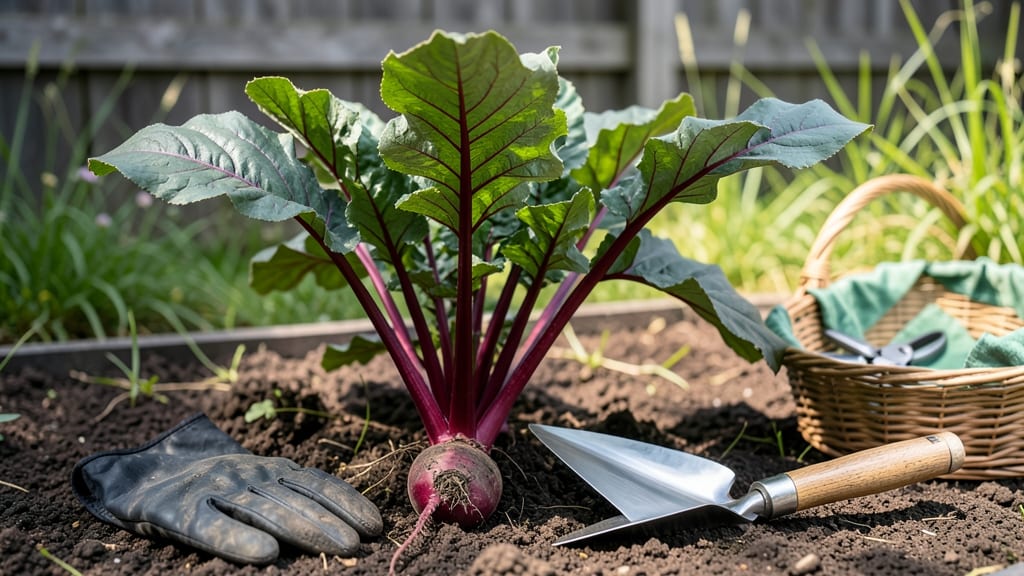
Harvesting beet root at the right time ensures tender, sweet flavors instead of tough, woody roots—aim for 2-3 inches in diameter when the tops are 4-6 inches tall.
Picture this: you’ve nurtured your 🍠 beet greens all season, but the roots turn bitter or fibrous because you waited too long. The difference between a perfect harvest and a disappointment comes down to timing, size, and a few simple checks.
Spring-planted beets in Zone 6a are ready by late May, while fall crops hit their sweet spot in September. Below, I’ll break down how to spot the ideal harvest window—plus how to store them so they stay fresh.
You’ll learn to recognize the three key signs of readiness, avoid common mistakes, and even adjust for baby beets or overgrown roots. Let’s get those harvests right!


How to identify perfect beet root harvest timing by size and texture
Harvesting beet roots at the right moment transforms their flavor from earthy and slightly bitter to sweet and tender. The key lies in watching for specific size and texture cues that signal peak ripeness. Unlike many vegetables, beets don’t ripen further after harvest, so timing is everything.
I’ve learned that patience pays off—waiting just a few extra days for the perfect beet can make all the difference in your kitchen.
First, focus on the root diameter, which is your most reliable indicator. For most beet varieties, aim for roots that measure between 2 to 3 inches in diameter. This size range ensures a balance of tenderness and flavor.
Smaller beets (under 1.5 inches) tend to be more delicate but can lack the deep, rich taste of their mature counterparts. Meanwhile, oversized beets (over 3.5 inches) become woody and fibrous, ruining their buttery texture.
Next, examine the leaf health and growth. When beets are ready to harvest, their tops should be about 4 to 6 inches tall with vibrant, deep-colored leaves. The leaves act like a barometer for the root’s development—if they’re wilted or yellowing, it’s a sign of stress, not ripeness.
I always check the leaves first because they give a quick visual cue about the root’s condition below the soil.
Don’t overlook the skin texture and color. A perfectly ripe beet root will have a smooth, firm skin that resists gentle pressure when squeezed. The color should be deep and consistent—whether it’s the classic deep red, golden yellow, or striped patterns—without any green or pale spots.
If the skin feels soft or the color is uneven, the beet is either underripe or overripe.
| Harvest Cue | Ideal Specification | What It Means |
|---|---|---|
| Root Diameter | 2–3 inches | Balanced tenderness and sweetness |
| Leaf Height | 4–6 inches | Healthy growth indicates mature root |
| Skin Texture | Firm and smooth | Resists gentle pressure; no soft spots |
| Root Color | Deep and consistent | No green or pale patches |
| Soil Exposure | 1–2 inches visible | Root is large enough to loosen soil |
One trick I’ve picked up from experienced gardeners is to gently loosen the soil around the beet before harvesting. If you can see 1 to 2 inches of the root above the soil line, it’s a good sign the beet is ready.
This exposure happens naturally as the root grows larger and pushes through the soil. It’s a visual confirmation that the beet has reached its ideal size without needing to dig up every plant to check.
Seasonal timing also plays a role in harvest readiness. In spring plantings, beets typically reach harvest size in 60 to 75 days, depending on your climate. For fall plantings, they may mature slightly faster due to cooler temperatures.
I always keep a harvest journal to track the days to maturity for my specific beet varieties, as some types like ‘Detroit Dark Red’ or ‘Golden’ may have slightly different timelines.
Finally, avoid harvesting during extreme heat or drought, as stressed plants produce tougher roots. The best time to harvest is on a cool morning after watering the soil. This ensures the beets are hydrated and easier to pull cleanly.
If you’re unsure whether a beet is ready, I recommend harvesting a few test roots—you’ll quickly learn to trust your judgment and the visual cues your plants provide.
Remember, the goal is to harvest beets when they’re at their peak flavor and texture. With practice, you’ll develop an eye for the perfect beet—one that’s just the right size, firm to the touch, and bursting with sweetness.
Once you master this timing, you’ll never settle for anything less than garden-fresh perfection.
Best practices for harvesting beet roots at peak flavor
Harvesting beet roots at the perfect moment transforms your garden into a flavor factory—imagine pulling up firm, sweet roots instead of tough, woody ones. The key lies in combining size, color, and texture checks while using the right tools to preserve that garden-fresh taste.
Timing matters because beet roots continue growing even after they reach edible size. If left too long, they develop a wooden core and bitter flavor. For spring plantings in Zone 6a, aim for late May to early June, while fall crops should be harvested by mid-September before temperatures drop.
⚠️ Critical Harvest Warning
Don’t harvest when soil is too wet—it causes roots to bruise. Also, avoid harvesting during hot afternoons (roots can spoil faster). The best time? Cool mornings after dew has dried.
Start by gathering your tools: a sharp garden fork or trowel, gloves (beet juice stains!), and a bucket of water to rinse harvested roots. Work gently to avoid damaging the roots—never pull them by the leaves, which can tear the delicate skin and invite rot.
Once you’ve harvested, store beets properly to maintain sweetness. Place them in a plastic bag with a damp paper towel in the crisper drawer of your fridge. They’ll keep for up to 2 weeks this way.
For long-term storage, cure them by leaving them in a warm, dry place for 2-3 days before storing in a cool, dark spot.
Avoid these common mistakes: harvesting when roots are smaller than 1.5 inches (they’ll be watery), or waiting until they’re larger than 3 inches (they’ll be tough). Also, never harvest during drought conditions—stressed plants produce bitter roots.
Pro tip: If your beets start bolting (sending up flower stalks), harvest immediately—bolted beets become fibrous and lose sweetness. This usually happens when days get shorter or temperatures drop below 50°F at night.