
How To
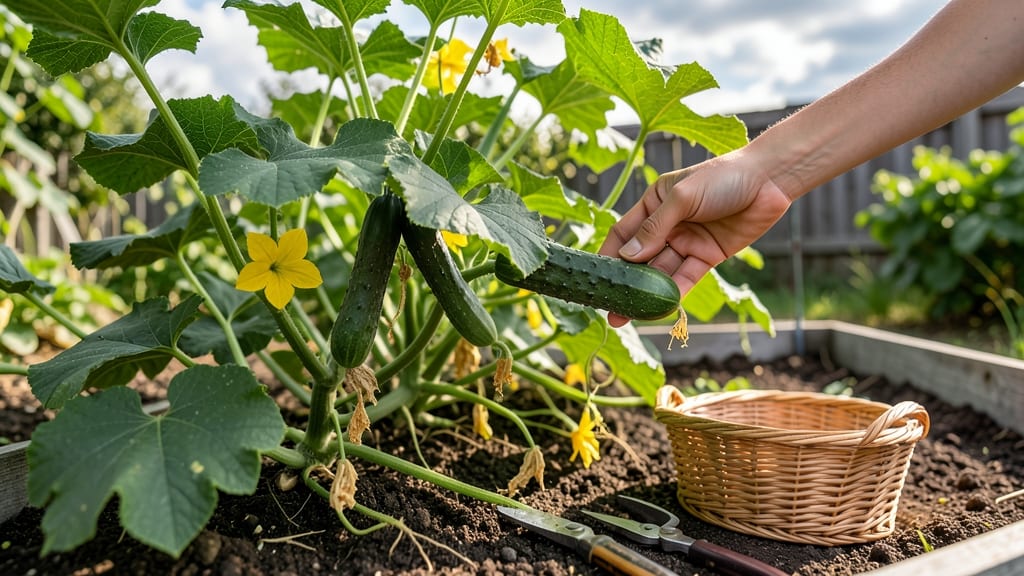
Harvesting Boston pickling cucumbers at 2 to 4 inches ensures the perfect crunch for pickles—any longer, and you’re left with seedy, bitter slices.
Picture this: you’ve been waiting all season, and now your 🥒 Boston Pickling Cucumber vines are heavy with fruit. But if you pull them too early, they’re underripe and flavorless; too late, and they turn mealy.
The trick? Checking for firm skin and a deep green hue before the seeds swell.
This isn’t just about timing—it’s about maximizing your harvest. Regular picking keeps the plant producing, while missing the window means fewer cucumbers and poorer quality. Whether you’re in USDA Zone 6a or a warmer climate, the cues stay the same: size, texture, and color are your best friends.
Below, I’ll walk you through the exact signs to look for, plus pro tips to avoid common mistakes and keep your pickling stash fresh all season long.


How to check Boston pickling cucumber ripeness for perfect pickling texture
Harvesting Boston pickling cucumbers at the right moment transforms your jar of pickles from mushy to mouthwateringly crisp. These cucumbers are bred specifically for pickling, so timing is everything. The ideal window is when they're 2-4 inches long, firm to the touch, and still seedless inside.
Miss this window, and you'll end up with oversized, bitter cucumbers that ruin your brine.
Start by examining the size and shape of your cucumbers. Boston pickling varieties should be uniform and cylindrical, never bulbous or misshapen. Their deep green color should be consistent from stem to tip, with no yellowing or pale spots.
These visual cues are your first clues that it's time to harvest.
Next, perform the thumbnail test—the gold standard for cucumber ripeness. Press your thumbnail into the cucumber's skin. If it leaves no mark, it's ready.
If it dents easily, wait another day or two. This simple test helps you avoid harvesting too early (underdeveloped flavor) or too late (seedy, tough texture).
Don't forget to check the stem attachment. When your cucumber is ready, the stem will snap off cleanly when you gently twist it. If it resists or tears, it's not quite time. This method prevents damage to the vine and ensures a clean harvest.
Now, let's talk seeds. Slice open a cucumber to peek inside. Boston pickling varieties should have tiny, undeveloped seeds or none at all. If you see visible, white seeds, it's past the ideal harvest window.
Seed development is the biggest factor in pickle texture—crunchy pickles come from seedless cucumbers!
Here’s a quick visual and tactile checklist to confirm ripeness:
- Size: 2-4 inches long
- Color: Deep, even green
- Skin: Firm, no dents
- Stem: Snaps easily
- Seeds: Tiny or nonexistent
Comparison Table: Ready vs. Not Ready Boston Pickling Cucumbers
| Feature | Not Ready (Harvest Too Early) | Perfectly Ready (Ideal Harvest) | Overripe (Harvest Too Late) |
|---|---|---|---|
| Size | Under 2 inches | 2-4 inches | Over 4 inches |
| Skin Firmness | Soft, dents easily | Firm, no dents | Tough, woody |
| Color | Pale or uneven | Deep, even green | Yellowing or spotted |
| Stem | Resists twisting | Snaps cleanly | Dries out, falls off |
| Seeds | None visible (too small) | Tiny or none | Visible, white |
| Texture | Soggy, mealy | Crisp, firm | Tough, bitter |
Common mistakes that ruin Boston pickling cucumber harvest timing (and how to avoid them)
Even experienced gardeners make harvest timing mistakes with Boston pickling cucumbers. The most common? Waiting until cucumbers reach 5+ inches or ignoring subtle signs of overripeness. By then, the seeds swell, the flesh turns mealy, and your pickles lose that prized crunchy texture.
I’ve seen vines loaded with cucumbers that were already past their prime, all because someone missed the 2-4 inch window.
Another frequent error is harvesting based solely on size alone. A cucumber might be 3 inches long but still pale or soft—key indicators it’s not ready. Or worse, you might harvest too early because it’s green but undersized, leaving you with bland, watery pickles.
The secret? Combine size, color, and firmness checks for accuracy.
Environmental factors also play a huge role. Hot summer days can accelerate ripening, while cool spring mornings slow it down. If your cucumbers are maturing faster than expected, check them every 2-3 days instead of weekly.
Conversely, in cooler zones like USDA 6a, you might need to wait a few extra days for full development.
⚠️ WARNING: Overripe Cucumbers = Bitter Pickles
Don’t wait until:
- • Cucumbers exceed 4 inches (seeds harden and turn black)
- • Skin develops yellowing or bumps (fungal risk)
- • Flesh feels soft or spongy when pressed
- • Stem won’t snap cleanly (overmaturity signal)
💡 Pro Tip: Use a thumbnail test—press gently. If skin doesn’t dent, it’s ready! If it dents deeply, it’s past prime.
One of the biggest myths is that larger cucumbers taste better. In reality, they’re often bitter and seedy, thanks to cucurbitacin buildup—a natural compound that spikes as cucumbers overripen.
I’ve had gardeners swear their 6-inch cucumbers were perfect for pickling, only to end up with a batch of unpleasantly bitter jars. Stick to the 2-4 inch rule for ideal flavor and texture.
Harvesting too infrequently also stresses the plant. When cucumbers linger on the vine, the plant diverts energy to seed development instead of producing new fruit. I recommend checking vines every 2-3 days during peak season (June-August) to keep the plant productive and healthy.
A well-maintained vine can yield 20-30 cucumbers per season—double that if you stay on top of harvests!
Finally, ignore the stem at your peril. A cucumber’s stem should snap cleanly when twisted gently—this means it’s fully mature. If the stem resists or tears, the cucumber is overripe.
This simple trick has saved me from countless mealy, seedy disappointments in my garden. Pair it with the thumbnail test, and you’ll never miss the perfect harvest window again.