
How To
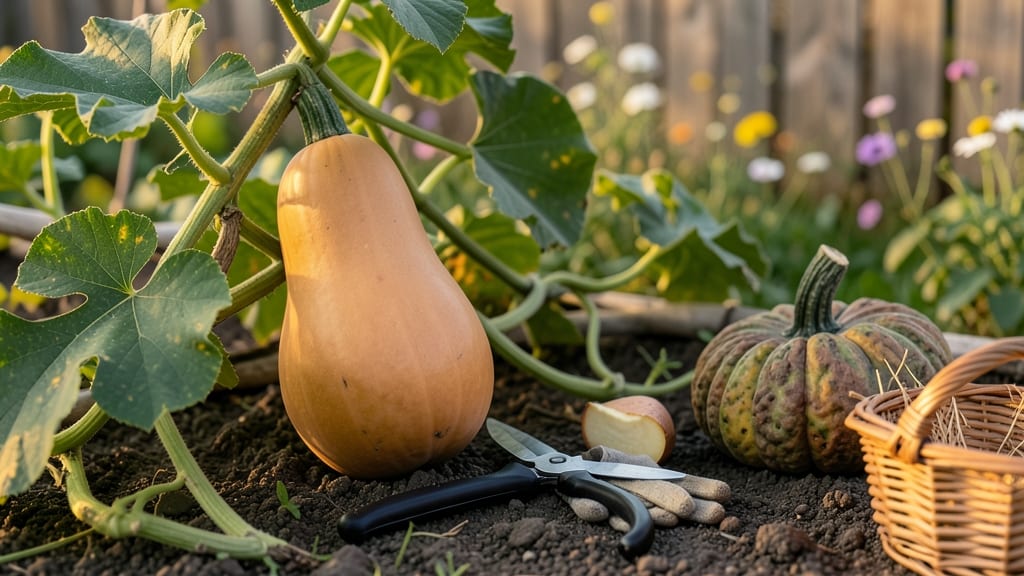
To harvest butternut squash at its sweetest, time it right—between 90 and 110 days after planting, when the skin hardens and the stem dries.
Butternut squash can taste like sweet perfection—or bitter disappointment—depending on when you harvest it. Mastering the 3 simple touch tests will ensure you pick your 🎃 at the ideal moment for maximum flavor and storage potential.
Most gardeners in USDA Zone 6a wait until October or November, but the real secret lies in the fruit’s texture and weight, not just the calendar. A squash that’s too soft or still green will be starchy and bland, while one left too long turns woody.
Here’s how to tell when your butternut is perfectly ripe—plus how to store it for months—so you never miss the window again.


3 Touch tests to determine perfect butternut squash ripeness
Harvesting butternut squash at the right moment transforms your garden into a treasure trove of sweet, flavorful produce. Unlike other squash varieties, butternuts rely heavily on tactile cues rather than just color changes.
The secret lies in three simple touch tests that reveal whether your squash is ready for harvest or still needs time to ripen.
Many gardeners make the mistake of harvesting too early, resulting in starchy, bland-tasting squash, or too late, leading to woody textures and wasted effort. These three tests—stem firmness, skin hardness, and seed cavity development—will help you avoid both pitfalls.
Let’s explore each one to ensure you pick your butternut squash at its peak.
Gently press the stem near the squash. If it feels dry and papery and snaps easily, it’s ready. A flexible, green stem means more time is needed.
Press your thumbnail into the squash’s skin. A hard, thick rind that resists pressure signals ripeness. If the skin dents easily, wait a few more days.
Gently tap the squash’s blossom end. A hollow, echoing sound means the seeds have developed fully. A dull thud indicates it’s not yet ripe.
The first test focuses on the stem’s condition, which is often overlooked but critical. A ripe butternut squash will have a stem that’s not just dry but also easily detachable with a slight twist.
This indicates the plant has stopped nourishing the squash, signaling it’s time to harvest. If the stem feels plump and green, your squash still needs 7-10 more days to mature.
Next, examine the skin’s hardness—this is where many gardeners go wrong. A ripe butternut squash should have a skin that’s impenetrable to your thumbnail. If you can press a dent into the skin, it’s not ready.
Pro tip: Run your fingers along the squash’s surface. A ripe squash will feel smooth and firm, while an underripe one will have a slightly bouncy, soft texture.
Finally, the seed cavity test is a game-changer for avoiding overripe squash. Tap the blossom end (the smaller, flatter end where the stem attaches) with your knuckles. A ripe squash will produce a clear, hollow sound, like knocking on a wooden door.
If the sound is muffled or dull, the squash needs more time. This test is especially useful in humid climates, where squash can overripe quickly.
Combining these three tests ensures you harvest your butternut squash at its peak sweetness and texture. Overripe squash loses flavor and becomes stringy, while underripe squash lacks the nutty depth that makes butternuts so beloved.
By mastering these tactile cues, you’ll transform your garden into a source of homegrown, restaurant-quality squash.
Remember, environmental factors like temperature and rainfall can affect ripening speed. In cooler climates, butternuts may take longer to mature, while warm, dry conditions can accelerate the process. Always double-check with these touch tests before harvesting, especially if your growing season is short.
Once you’ve confirmed ripeness, harvest your butternut squash using a sharp pruning shears or knife, leaving a 1-2 inch stem attached. This helps extend storage life by preventing rot. Store your squash in a cool, dry place with good airflow, and enjoy its sweet flavor for months to come.
🎃
How to time your butternut squash harvest for maximum sweetness
Timing your butternut squash harvest depends on both days to maturity and your local climate. Most varieties reach peak sweetness between 90 and 110 days after planting, but cooler regions may need extra weeks.
In USDA Zones 3-5, aim for late September to early October, while Zones 7-10 can harvest as late as November.
Weather plays a critical role—consistent warmth speeds ripening, while early frosts can stunt sweetness. Southern Hemisphere gardeners should harvest between March and May, mirroring the Northern Hemisphere's fall timing. Always monitor the stem and skin for visual cues, as these trump calendar dates.
In cool climates, prioritize stem dryness over calendar dates—frost can turn squash bitter. Use black plastic mulch to extend the season by 2-3 weeks in Zones 3-5. For warm regions, watch for seed cavity development; overripe squash becomes woody and loses sweetness.
Southern Hemisphere growers should plant in September-October for a March-May harvest, aligning with Northern Hemisphere timelines. Always harvest before first frost, as cold temperatures destroy cell structure, making squash mushy. Store in a cool, dry place (50-55°F) for up to 3 months.
Pro tip: Mark planting dates on your calendar and track days to maturity from seedling emergence. Adjust for unseasonal heat waves or cool snaps—these can shift ripening by 1-2 weeks. When in doubt, harvest slightly early; squash sweeten after picking but won’t recover if overripe.
Remember, the perfect butternut combines hard skin, dry stem, and heavy weight. These cues guarantee maximum sweetness and storage life—so don’t rush the harvest! 🎃