
How To
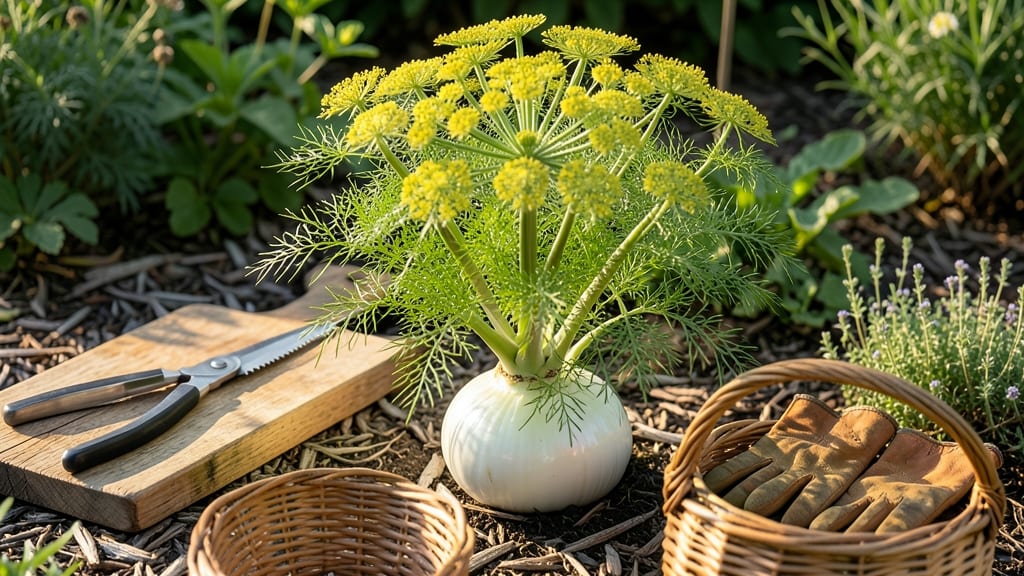
Harvesting fennel at the right time means catching it when the bulb is firm and the fronds still hold their crispness — a window that lasts just 2-3 weeks if you miss it.
Picture this: you’ve nurtured your 🌿 fennel all spring, and now the decision feels like a high-stakes game. Pull it too early, and you’re left with a puny bulb. Wait too long, and the flavor turns bitter, the texture woody.
The good news? There are three clear signs that tell you it’s time — and they’re easier to spot than you think.
Season matters too. In Zone 6, spring-planted fennel hits peak harvest in late June, while fall crops may linger until September.
But whether you’re growing for fresh salads or drying, the key is the same: act when the bulb is 3-4 inches wide and the stalks snap cleanly, not mushy.
Below, I’ll walk you through the exact cues — from bulb firmness to frond flexibility — plus how to stretch your harvest season for months of flavorful yields.


Signs of perfect fennel bulb maturity for harvesting
Harvesting fennel at the right moment transforms your garden into a flavor factory—when you pull bulbs too early, they’re woody and underdeveloped, but wait too long, and they turn bitter. The key lies in visual cues and tactile tests that reveal when your fennel is at its peak.
I’ve learned the hard way that patience pays off, especially when dealing with this finicky herb.
Start by checking the bulb diameter—this is your first clue. A mature fennel bulb should measure 3 to 4 inches across at its widest point. If it’s smaller than a softball, it’s not ready yet.
Think of this as the "goldilocks zone" for fennel: too small means it’s still growing, and too large means it’s past its prime.
Next, examine the fronds at the top of the plant. Fully mature fennel fronds should be lush, vibrant green, and slightly crisp when bent. If they feel floppy or start turning yellow, you’ve missed the window.
I like to pinch a frond between my fingers—if it snaps cleanly instead of bending, that’s a sign your fennel is ready to harvest.
Don’t overlook the base of the stalk. The thickest part should be 1 to 2 inches wide at the bulb’s crown. Run your thumb along the stalk—if it feels firm and sturdy, your fennel is ready.
A soft or spongy stalk means it’s still developing, while a hollow or woody feel signals it’s overripe.
Here’s a quick weight test I swear by: lift the bulb gently from the soil. A mature fennel bulb feels heavy for its size, almost like a dense apple.
If it feels light or hollow, it’s not ready. This test is especially useful when comparing multiple plants in your garden.
| Indicator | Ready for Harvest | Not Ready |
|---|---|---|
| Bulb Size | 3-4 inches diameter | Smaller than 3 inches |
| Frond Flexibility | Crisp, snaps cleanly | Floppy or yellowing |
| Stalk Thickness | 1-2 inches at base | Thinner than 1 inch |
| Bulb Weight | Heavy for size | Light or hollow |
| Leaf Color | Vibrant green | Yellowing or sparse |
The time of year also plays a role in maturity. In my USDA Zone 6 garden, fennel planted in early spring typically reaches harvest readiness by mid-to-late summer (around 120 days after sowing).
If you’re in a warmer climate, your harvest window might shift earlier. Always align your planting schedule with your local frost dates to avoid rushing the process.
One mistake I made early on was harvesting fennel bulbs too early just because they looked big. The result? A woody, flavorless bulb that was nearly inedible. Now, I wait until the bulb is firm to the touch and the fronds are fully unfurled.
This patience ensures the sweetest, most aromatic fennel—worth the wait every time.
Pro tip: If you’re unsure, harvest a test bulb and taste it. A perfectly mature fennel bulb should have a mild, anise-like sweetness with no bitterness.
If it tastes bitter, you’ve waited too long. If it’s bland, it’s not ready yet. This simple test is the ultimate judge of fennel maturity.
Finally, remember that seasonal variations affect harvest timing. Spring-planted fennel often matures faster than fall-planted varieties due to longer daylight hours. Adjust your expectations based on your planting time and local climate. With these signs in mind, you’ll never miss the perfect moment to harvest fennel again.
Fennel harvest timing mistakes that ruin your crop
One of the biggest mistakes I see gardeners make with fennel is waiting until the bulb becomes oversized and bitter. That licorice-like tang you love in your dishes? It intensifies when fennel matures past its prime, turning from sweet to harsh.
I’ve pulled fennel bulbs that were 6 inches wide only to find them tough and unpalatable—perfect for compost, not the kitchen.
On the flip side, harvesting too early leaves you with underdeveloped bulbs that lack the crisp texture and concentrated flavor. These tiny, soft stalks won’t hold their shape when sliced, and the leaves won’t pack the same punch.
I once harvested fennel at just 2 inches wide thinking it was ready, only to regret it when the bulb split open days later—wasted effort and a missed opportunity for a full harvest.
Another common error is ignoring the frond flexibility test. Many gardeners focus solely on bulb size, but the fronds tell you just as much. If they’re brittle or yellowing, your fennel is past its peak.
I learned this the hard way when my fall fennel sat too long in the garden—by the time I noticed the fronds drying out, the bulbs had turned woody and flavorless.
⚠️ 3 Harvest Timing Mistakes to Avoid
- 🌡️ Overripe bulbs: Waiting until fennel exceeds 4 inches wide risks bitter, woody texture.
- 📏 Undersized harvests: Pulling before bulbs reach 3-4 inches means weak flavor and poor yield.
- 🌿 Ignoring fronds: Yellowing or brittle fronds signal it’s too late—harvest when they’re still green and flexible.
Pro tip: Snap a stalk near the base—if it snaps cleanly, it’s ready. If it bends, wait 3-5 days.
The seasonal clock also plays a critical role. In Zone 6, spring-planted fennel typically hits harvest in late June to July, while fall crops may extend into September. I’ve had success with staggered plantings—sowing seeds every 3 weeks—to ensure a steady supply.
Missing this window means either dealing with bitter bulbs or no harvest at all if frost arrives early.
Finally, don’t forget about leaf vs. bulb priorities. Fennel fronds are edible too, and you can harvest them first for salads or garnishes without damaging the bulb. I like to snip outer fronds when they’re 6-8 inches tall, leaving the inner ones to mature.
This extends your harvest window and gives you continuous greens while the bulb develops.
To avoid these mistakes, check your fennel every 3-5 days during peak season. Use the bulb size, stalk snap test, and frond color as your guide—and don’t let it linger in the garden beyond its prime. With the right timing, you’ll enjoy sweet, crisp fennel all season long.