
Picking
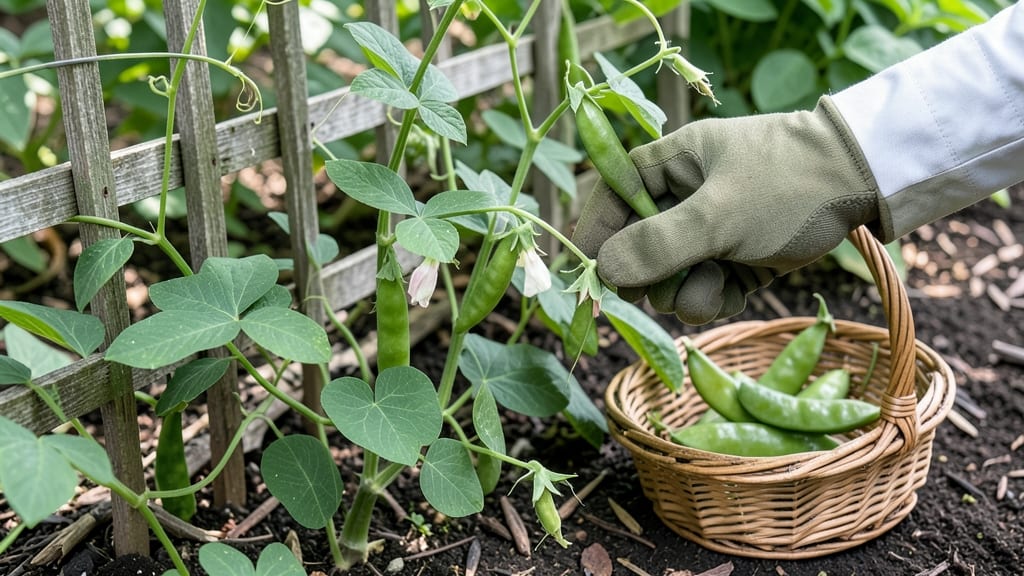
Harvesting garden peas 🌱 at the right time means the difference between sweet, tender pods and tough, mealy ones—so timing is everything.
Picture this: you’ve waited 60-70 days for your peas to mature, only to pick them too late and end up with bland, overgrown pods. That’s why knowing the exact cues—like pod size, color, and seed development—is the key to a perfect harvest.
Whether you’re growing sweet snap peas, shelling peas, or snow peas, the rules are simple but critical. Miss the window, and you’ll sacrifice flavor for texture. Get it right, and you’ll enjoy fresh, garden-fresh peas straight from the vine.
Below, I’ll walk you through three foolproof tests to determine when your peas are ready, plus how climate and variety play into the perfect harvest time.


3 Reliable tests to determine when to harvest garden peas
There's nothing worse than biting into a garden pea only to discover it's tough, mealy, or past its prime. The key to sweet, tender peas lies in knowing exactly when to harvest—and it all comes down to three simple but science-backed tests.
Whether you're growing sugar snap peas, shelling peas, or snow peas, these methods will ensure you pick your pods at peak flavor and texture.
Harvesting too early means small, underdeveloped peas, while waiting too long turns them into woody, bitter pods. The good news? With these three reliable tests, you'll never guess again. I've used these same techniques for years in my garden, and they've helped me extend my harvest season by weeks.
Let's dive into the exact signals your pea plants give you when it's time to pick.
Pod Size Check
Look for 2-3 inch pods that are slightly swollen. For sugar snaps, aim for 3-4 inches when fully curved. Overlooking this test means missing the sweetest window—peas grow fast!
Firmness Test
Gently squeeze the pod—it should feel firm but not rock-hard. If it feels soft or mushy, it's overripe. For shelling peas, the pod should yield slightly when pressed but not collapse.
Seed Development
Peek inside the pod—seeds should be visible but small, about the size of a grain of rice. If they're larger or filling the pod, the pea is past its prime and will taste starchy and bland.
I always start with the pod size check because it's the easiest visual cue. In my experience, peas reach harvest readiness about 60-70 days after planting, but this can vary by variety.
For example, sugar snap peas like 'Sugar Sprint' stay sweet longer than traditional shelling peas, so I harvest them when they're slightly larger—around 3-4 inches. Keep a small notebook by your garden to track which varieties mature fastest.
The firmness test is where many gardeners go wrong. I've seen beginners pick peas that feel like rubber bands because they're too firm, or worse, wait until they're mushy. The trick is to harvest in the morning after dew has dried—this is when pods are at their crispest.
If you must harvest later in the day, pick only the firmest pods to ensure quality.
Don't underestimate the seed development test, especially if you're growing shelling peas. Overripe peas develop large, fully formed seeds that turn the pod into a tough, fibrous shell.
I once waited too long on my 'Green Arrow' peas, and the seeds inside were almost as big as the peas themselves—completely inedible! This test is your last line of defense against mealy, overmature peas.
Pro tip: If you're growing multiple pea varieties, label your plants and harvest them separately. Some varieties, like snow peas, are best picked when the pods are flat and seeds are tiny, while sugar snaps should be harvested when fully curved but still tender.
I use colorful plant markers to avoid confusion—trust me, it's worth the effort!
One common mistake I see is harvesting peas infrequently. Pea plants produce continuously, so I pick pods every 2-3 days during peak season to encourage more production.
This also prevents overcrowding, which can lead to smaller, less flavorful pods. Think of it like pruning—you're stimulating the plant to keep producing.
Regional climate plays a role too. In cooler zones (USDA 3-5), peas mature faster due to shorter days, so I start harvesting earlier—sometimes as soon as 55 days.
In warmer zones (USDA 7-10), I focus on late summer plantings to avoid heat stress, which can make pods tough. Always check your seed packet for days-to-maturity guidelines, but use the three tests as your final judge.
Finally, avoid harvesting in wet or rainy conditions. Damp pods are more prone to disease and spoil faster. I wait until the morning sun has dried any dew before picking.
Store harvested peas in the fridge for up to 5 days, or eat them fresh within a day or two for the best flavor. With these three tests mastered, you'll never miss the perfect harvest window again!
Best harvesting time by pea variety: sweet vs. snap vs. snow peas
Not all peas are created equal when it comes to harvest timing. The three main varieties—snap peas, shelling peas, and snow peas—each have distinct maturity signals that determine the perfect moment to pick. Understanding these differences ensures you enjoy peak sweetness and texture for each type.
For snap peas (sugar snaps), timing is all about finding that sweet spot where the pod is plump but still tender. These peas are harvested whole, so their crispness and sugar content are critical.
Wait too long, and you’ll end up with woody pods that are tough to chew.
| Variety | Pod Size | Seed Stage | Best Time to Pick | Days to Maturity |
|---|---|---|---|---|
| Snap Peas (Sugar Snaps) | 2-3 inches | Seeds tiny, barely visible | When pods are bright green and crisp | 55-65 days |
| Shelling Peas | 1.5-2.5 inches | Seeds plump but still small | When pods are firm and seeds are visible | 60-70 days |
| Snow Peas (Sugar Pod Peas) | 2-3 inches | Seeds flat, barely developed | When pods are flat and tender | 60-70 days |
Shelling peas are harvested when the pod is firm and the seeds inside are plump but still small. These peas are typically eaten after removing the seeds, so the pod itself should be slightly swollen and bright green. If you wait too long, the seeds will fill out completely, making the peas tough and less flavorful.
Snow peas are unique because they’re harvested when the pod is flat and tender, with seeds that are barely visible. Unlike snap peas, snow peas should never be allowed to bulge or thicken, as this indicates overmaturity. Their delicate texture makes them perfect for stir-fries and salads when picked at the right time.
Climate plays a role too—cooler temperatures slow maturity, while warmer weather speeds it up. In hotter regions, peas may mature faster, so check them every 2-3 days once they start flowering. Regular harvesting also encourages more production, so don’t skip this step!
Pro tip: Harvest in the morning when pods are at their crispest. Use sharp scissors or pruners to snip pods just above the vine to avoid damaging the plant. This method keeps your pea plants healthy and productive for weeks.